
The gift of miracles
- 3Statements
- 4Recorded acts
- 17Gifts
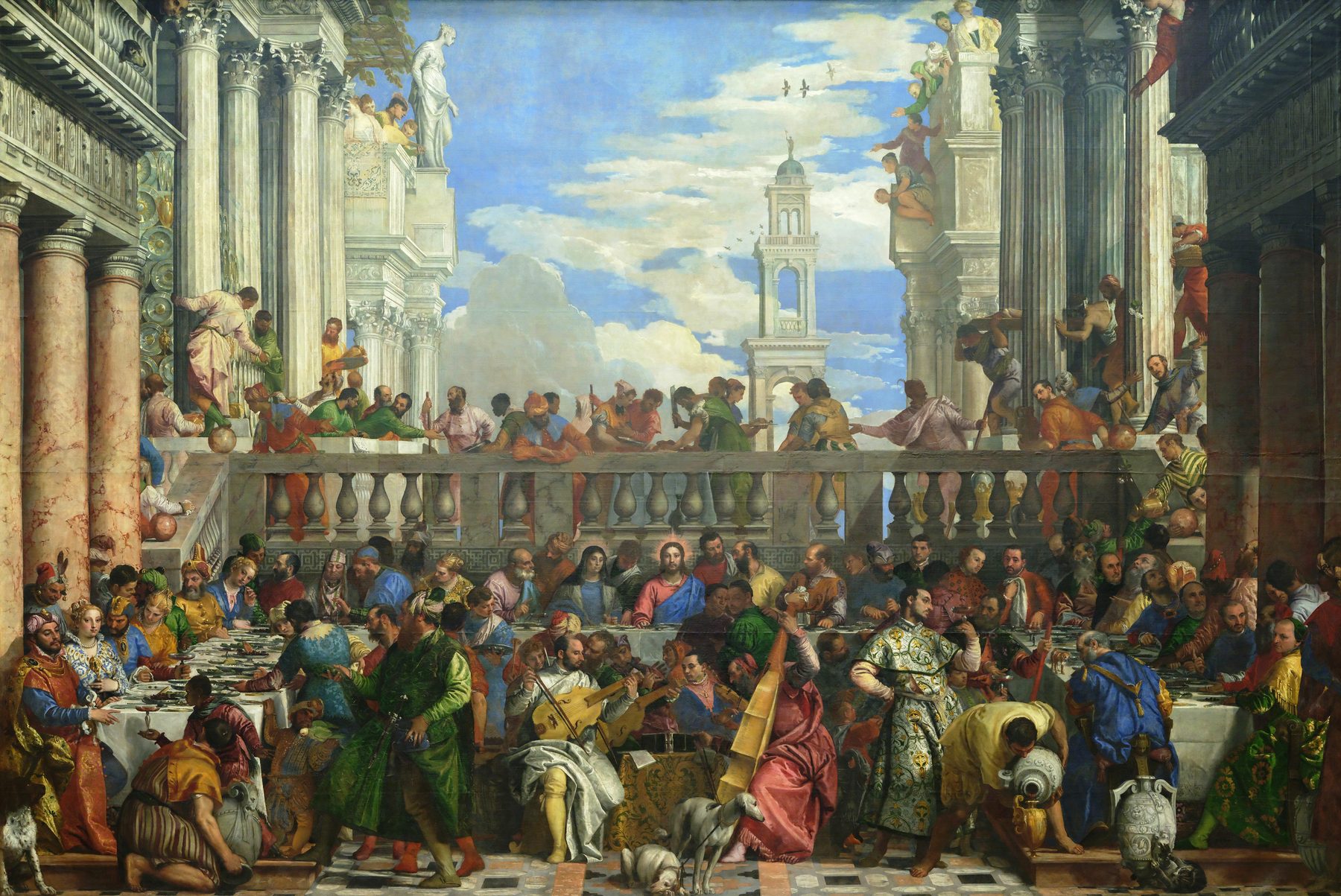
Picture: The Wedding at Cana, Paolo Veronese, 1562–63. Musée du Louvre, Paris.
From your result on . See your result
- Miracles
A low row is something these statements did not find, not a verdict on you.
What is the spiritual gift of miracles?
Miracles is named in 1 Corinthians 12:10 and 12:28, and the Greek reads literally workings of powers. Christians disagree about whether it is given today. Those who believe it is do not claim it works to order; those who do not still believe God answers prayer.
Why it matters
What a church believes here shapes what it is willing to ask for out loud. Some congregations pray in front of everyone for things that would be undeniable if they happened. Others would find that presumptuous and pray the same things quietly. Both are praying, and the difference is worth understanding before judging either.
Where does the Bible name it?
-
and to another workings of miracles
1 Corinthians 12:10
-
then miracle workers
1 Corinthians 12:28
-
Are all miracle workers?
1 Corinthians 12:29
World English Bible British Edition
What does the gift of miracles look like in a church?
The translation quoted here says workings of miracles, and later “miracle workers” (1 Corinthians 12:28). Luke writes that “God worked special miracles by the hands of Paul” (Acts 19:11). These statements ask what has happened when you prayed and what the people who were there called it.
They call nothing a miracle themselves, and they cannot tell this gift apart from an answer to prayer. Whether what happened was this gift is for your church and those who lead it to say, not this page. Many Christians believe God still gives this gift today; many believe He gave it only for the time of the apostles.
It is most often confused with healing, which the same sentence lists separately: healing names a body made well, and this is the wider word. It is also confused with the gift of faith, which is about staying certain rather than about what happens next. Whatever else is true of it, the New Testament never shows it at anybody’s disposal. Every recorded instance sits inside prayer, and when Luke describes the most striking run of them he puts the working with God rather than with the apostle whose hands were involved: “God worked special miracles by the hands of Paul” (Acts 19:11).
Did you know?
-
The phrase in 1 Corinthians 12:10 is energemata dynameon, literally “workings of powers”. Dynamis is the ordinary Greek word for power, and both nouns are plural, exactly as with “gifts of healings” in the verse before.
1 Corinthians 12:9-10; dynamis, Strong’s Greek 1411
-
Luke gives the credit away from the man whose hands were involved: “God worked special miracles by the hands of Paul.”
Acts 19:11, World English Bible British Edition
-
Paul asks the Galatians a question that takes miracles among them as a present fact: does He Who supplies the Spirit to you and works miracles among you do it by the works of the law, or by hearing of faith?
Galatians 3:5, World English Bible British Edition
Who did this in the Bible?
-
Acts 9:40-42
At Joppa Peter sent them all out, knelt down and prayed, and turning to the body told Tabitha to get up; she opened her eyes and, seeing Peter, sat up; he gave her his hand, raised her up and presented her alive to the saints and widows, and it became known throughout all Joppa and many believed in the Lord.
-
Acts 19:11-12
Luke writes that God worked special miracles by the hands of Paul, so that even handkerchiefs or aprons were carried away from his body to the sick, and the diseases departed from them and the evil spirits went out.
-
Galatians 3:5
Paul asks the Galatians whether He Who supplies the Spirit to them and does miracles amongst them does it by the works of the law or by hearing of faith.
-
2 Corinthians 12:12
Paul writes to the Corinthians that truly the signs of an apostle were worked amongst them in all perseverance, in signs and wonders and mighty works.
Suggest a correction. Corrections that are applied are recorded in the public changelog.