
Wrath
Anger held past its usefulness, until it hardens into the desire to see someone pay.
- IraIn Latin
- PatienceIts opposite
- Terrace 3Dante’s Purgatory
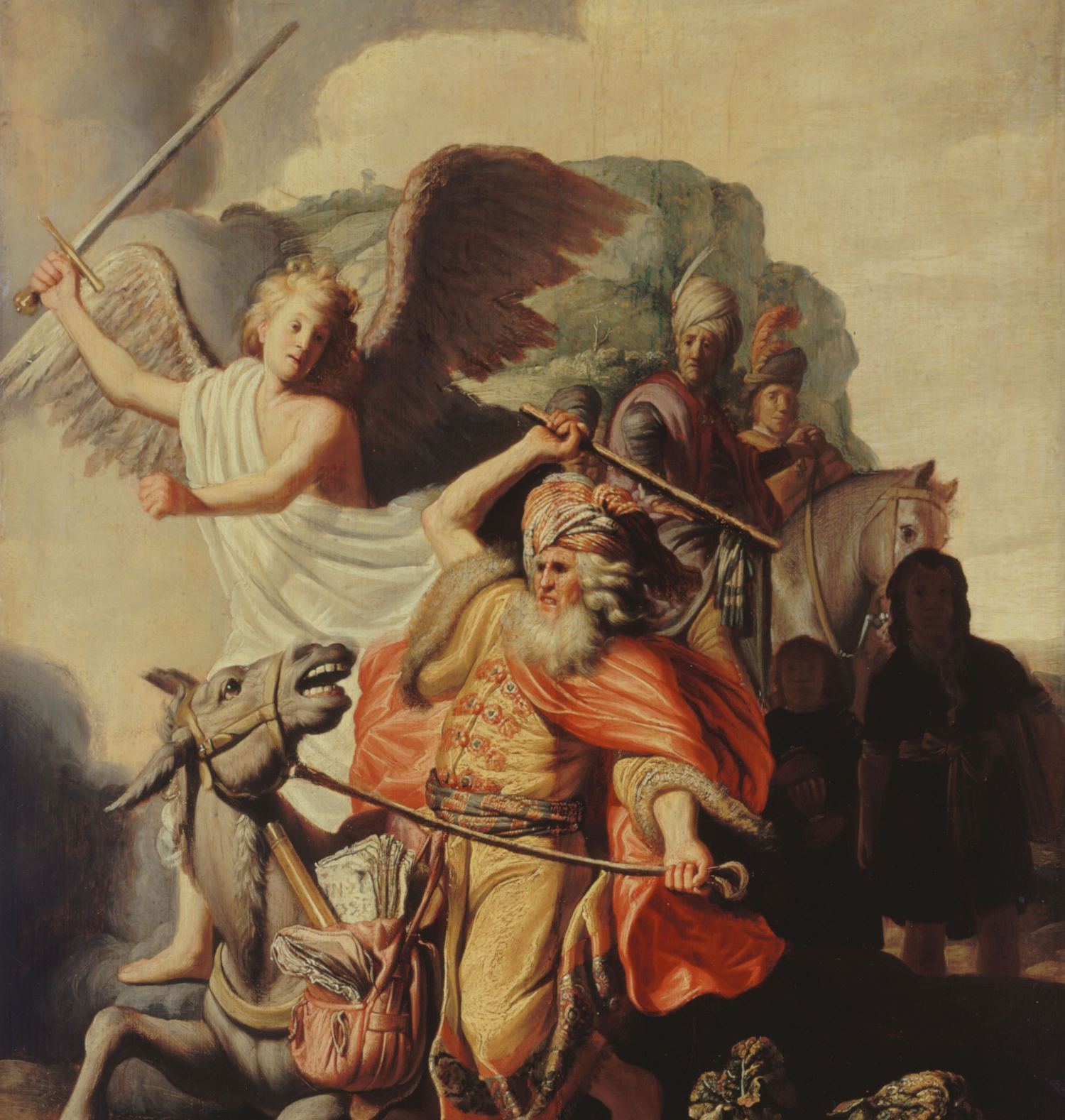
Picture: Balaam and the Ass, Rembrandt, 1626. Musée Cognacq-Jay, Paris.
From your result on . See your result
- Wrath
A short bar is a pull your answers barely found. That is a description of your answers, not a certificate.
What is wrath, as one of the seven deadly sins?
Wrath is anger kept past its use: not the flash of feeling when something is wrong, which Scripture allows, but the grudge nursed, the argument replayed, the wish to see someone pay. It is the one vice that can feel like justice while it is doing its damage.
Why it matters
Anger is not on the list; wrath is. The Bible tells people to be angry and not sin, and to be slow to it, which is a different instruction from never feeling it. The questions ask where yours goes afterward: whether a slight is let go, or kept and sharpened for later.
Where does the Bible name it?
-
My beloved brothers, understand this: Everyone should be quick to listen, slow to speak, and slow to anger, for man’s anger does not bring about the righteousness that God desires.
James 1:19-20
-
“Be angry, yet do not sin.” Do not let the sun set upon your anger, and do not give the devil a foothold.
Ephesians 4:26-27
Berean Standard Bible
Did you know?
-
Anger is the only vice on the list that the Gospels also record in Jesus. Mark writes that He looked round at the men waiting to accuse Him with anger, grieved at the hardness of their hearts, and then healed the man in front of them. The feeling is not the sin; what it hardens into is.
Mark 3:5
-
Balaam struck his donkey three times in anger before he saw the angel standing in the road with a drawn sword. The donkey had seen it all along.
Numbers 22:21-33
-
John Cassian warned monks who fled to the desert to get away from people who angered them that the anger would come too. Alone, he wrote, they would rage at a pen that wrote too thick, a blunt knife, or a flint slow to spark.
John Cassian, Institutes, Book VIII