
Sloth
Acedia: not idleness so much as the listlessness that will not do the good it knows.
- AcediaIn Latin
- DiligenceIts opposite
- Terrace 4Dante’s Purgatory
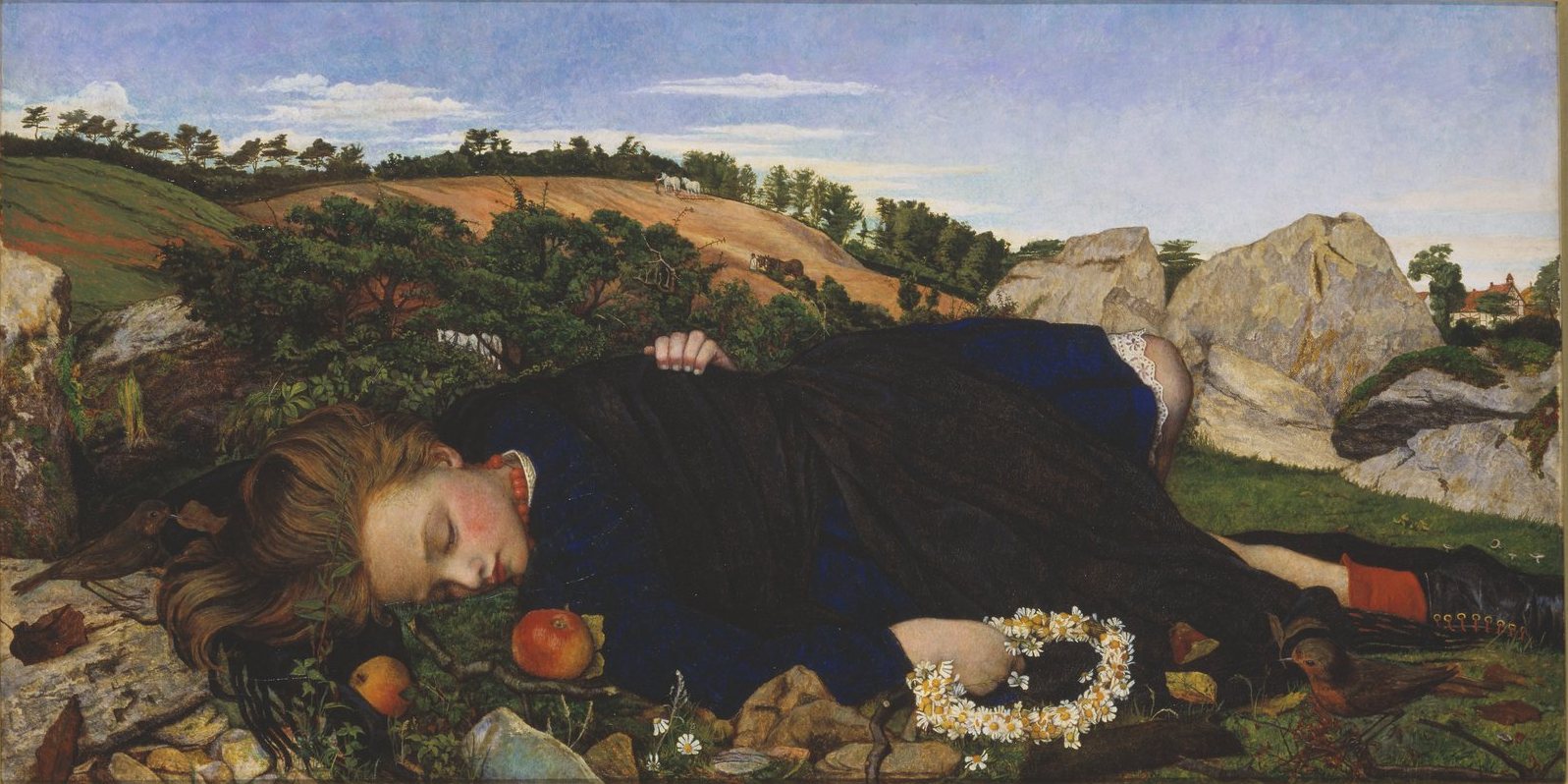
Picture: Robin of Modern Times, John Roddam Spencer Stanhope, 1860. Private collection.
From your result on . See your result
- Sloth
A short bar is a pull your answers barely found. That is a description of your answers, not a certificate.
What is sloth, as one of the seven deadly sins?
Sloth is not laziness in the ordinary sense. The old word is acedia, a listlessness that will not do the good it knows about: the thing that matters put off again, the good start abandoned when the first enthusiasm goes. A busy person can have it; being busy is one of the ways to avoid the thing that matters.
Why it matters
Sloth is the vice people are most likely to laugh off, and it costs the most over a life, because it works by subtraction: the friendship not kept up, the gift not used, the apology never got round to. The questions ask whether you finish what you start, and whether pressure is the only thing that moves you.
Where does the Bible name it?
-
The slacker craves yet has nothing, but the soul of the diligent is fully satisfied.
Proverbs 13:4
-
Through laziness the roof caves in, and in the hands of the idle, the house leaks.
Ecclesiastes 10:18
Berean Standard Bible
Did you know?
-
Acedia comes from a Greek word meaning lack of care. The desert monks who first described it called it the noonday demon, after the line in Psalm 91 about the calamity that destroys at noon, because it struck in the middle of the day, when the work was half done and the end was nowhere in sight.
Evagrius Ponticus, Praktikos, 12; Psalm 91:6
-
Evagrius described the monk in its grip. He keeps looking out of the window to see how far the sun has moved, and the day seems fifty hours long.
Evagrius Ponticus, Praktikos, 12
-
Gregory the Great’s own seven had no sloth in them. He had sadness in that place, and the later Middle Ages brought back the desert monks’ acedia to stand where sloth stands now.
Gregory the Great, Moralia in Job, Book XXXI