
The gift of leadership
- 2Recorded acts
- 12Gifts
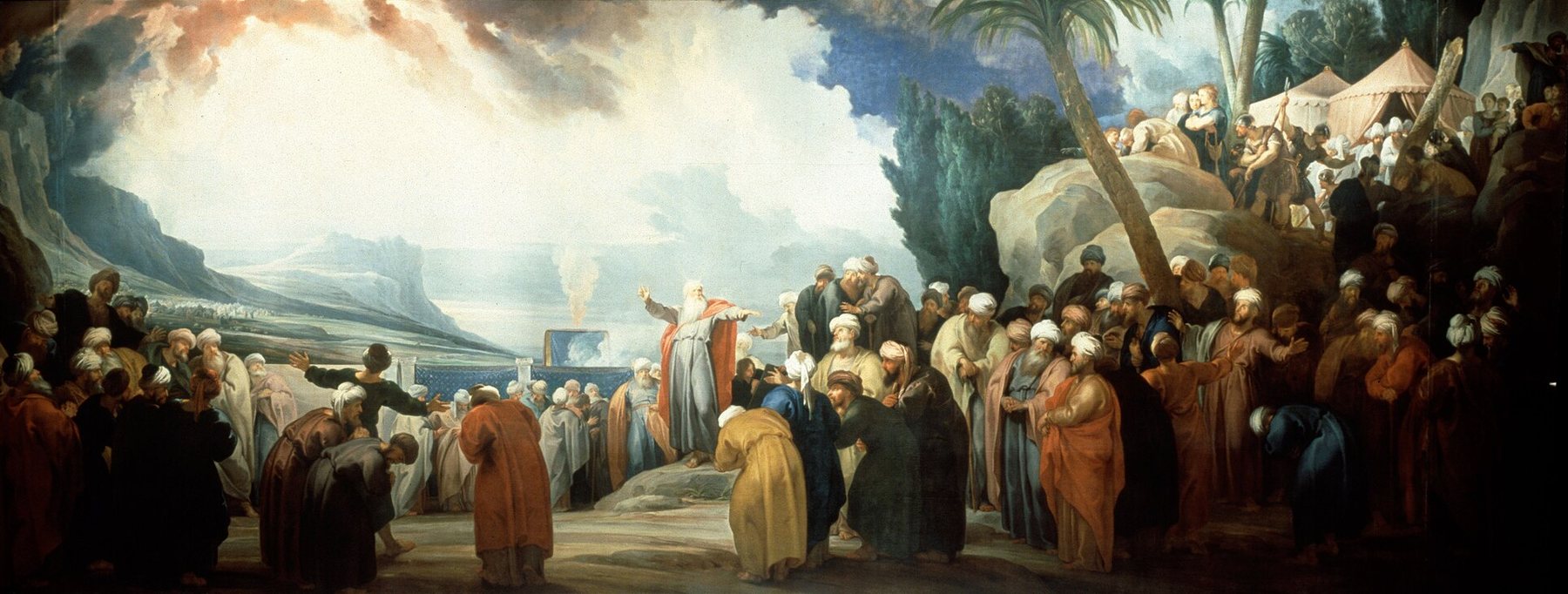
Picture: Moses Choosing the Seventy Elders, Jacob de Wit, 1737. Royal Palace Amsterdam, Amsterdam.
From your result on . See your result
- Leading
A low row is something these questions did not find, not a verdict on you.
What is the spiritual gift of leadership?
Leadership is the gift of taking on the direction of a shared work and answering for how it goes. Romans 12:8 names it, and the Greek word behind it means standing in front of something. The quality the verse attaches is diligence, not charisma and not confidence. Paul also names a gift of steering, the word for guiding a ship (1 Corinthians 12:28), often translated administration: keeping a shared work on course, its plans and its details. This quiz measures the two together.
Why it matters
Somebody has to decide, and in a church nobody is obliged to obey, so the decision has to be one people will actually follow. That is why the quality Romans attaches is effort rather than authority. Where this gift is missing churches do not become gentler, they become slower, and the direction drifts to whoever is willing to be unpopular.
Where does the Bible name it?
-
We have different gifts according to the grace given us. If one’s gift is prophecy, let him use it in proportion to his faith; if it is serving, let him serve; if it is teaching, let him teach; if it is encouraging, let him encourage; if it is giving, let him give generously; if it is leading, let him lead with diligence; if it is showing mercy, let him do it cheerfully.
Romans 12:6-8
Berean Standard Bible
What does the gift of leadership look like in a church?
Taking on the direction of a shared work and answering for it. Romans 12:8 is the only gift list that names it, and the same Greek verb turns up twice more for people doing the job: those “who care for you in the Lord” (1 Thessalonians 5:12) and elders “who lead effectively” (1 Timothy 5:17). The word behind it means to stand in front of something, which is a fair description of where the blame lands.
In an ordinary week it is whoever says where the new congregation will meet and why, who makes the unpopular call about the building, who decides which of two good projects the church can actually afford this year. It is also whoever is still standing there afterwards when the decision turns out to have been wrong.
People notice it in themselves by accumulation. You get put in charge of things you did not ask to run. You find yourself answering for parts of a job other people did. A room that will not reach a decision makes you restless, and you open your mouth.
The gift it is most often confused with is administration. Leading decides where a thing is going; administration keeps it running once that is settled. Plenty of people have both, and a church that cannot tell them apart puts its decider in charge of a spreadsheet and then wonders why the spreadsheet is a mess.
It is also confused with shepherding, which is care of the same people over years rather than direction of a work, and with simply being the loudest person present. The one quality Romans attaches to this gift is diligence, which is a word about effort.
Did you know?
-
Romans attaches one word to this gift, spoude, translated diligence. In ordinary Greek it carries haste as well as earnestness. It is a word about getting on with it.
Romans 12:8; spoude, Strong’s Greek 4710
-
The first recorded act of leadership by the twelve was to give a job away. Faced with the neglected widows, they set out how the work should be divided and handed that part of it to seven other men.
Acts 6:1-6
-
At the council in Jerusalem the judgement is given by James rather than by Peter, and it goes out as a letter agreed by the apostles and the elders “with the whole church”.
Acts 15:13-29, Berean Standard Bible
Who did this in the Bible?
-
Acts 15:13-29
At Jerusalem, once the others had fallen silent, James gave his judgement on what to ask of the Gentiles, and the apostles, elders and whole church sent it out in a letter.
-
Acts 6:2-4
Faced with the neglected widows, the twelve set out how the work should be divided: seven men over that business, and themselves kept to prayer and the word.