
The gift of shepherding
- 3Statements
- 2Recorded acts
- 17Gifts
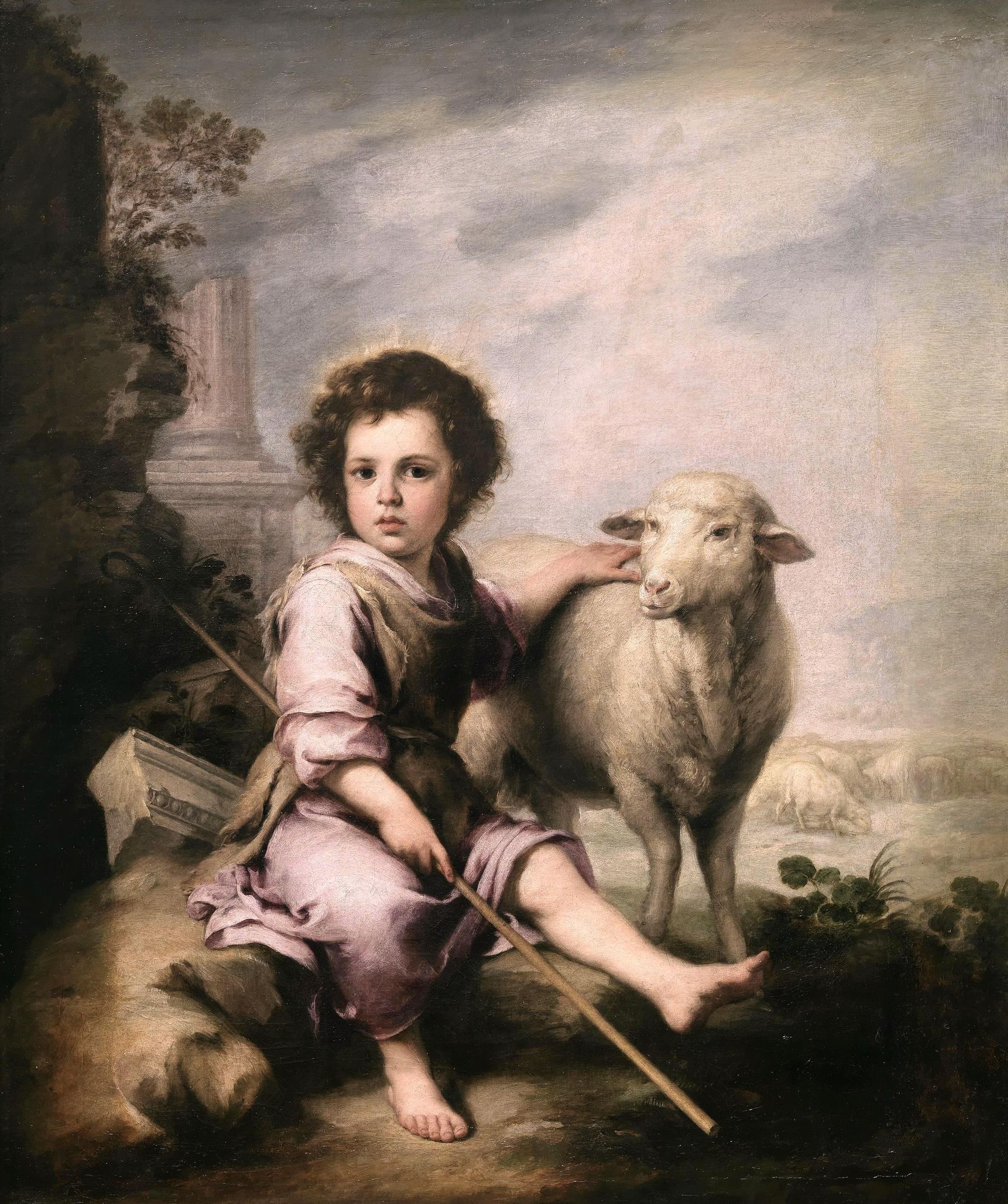
Picture: The Good Shepherd, Bartolomé Esteban Murillo, about 1660. Museo del Prado, Madrid.
From your result on . See your result
- Shepherding
A low row is something these statements did not find, not a verdict on you.
What is the spiritual gift of shepherding, or pastoring?
Shepherding is the gift of watching over the same people for a long time: knowing their situations, following up, staying once the crisis has passed. Ephesians 4:11 names shepherds, which most English Bibles render pastors, and pastor is simply the Latin word for shepherd.
Why it matters
Most pastoral need arrives long after the event that caused it, once the casseroles have stopped. This gift is what covers that stretch, and a church that only mobilises for crises is a church where people learn to get through things alone. It also protects the ordained: one paid pastor cannot know eighty families, and where this gift is recognised they do not have to.
Where does the Bible name it?
-
and some, shepherds and teachers
Ephesians 4:11
World English Bible British Edition
What does the gift of shepherding look like in a church?
Many translations say pastors: watching over the same people for a long time. Ephesians 4:11 names people given to the church, and both passages below are addressed to elders; a result here names a pattern of care and says nothing about who should hold an office. The English word pastor is nothing more than the Latin for shepherd, which is why two Bibles print two different words at the same place.
In an ordinary week it is remembering that this week is the anniversary. It is noticing that a family has not been for three Sundays and ringing them before the fourth. It is the visit nine months after the funeral, when everybody else has assumed the person is fine by now, and the message on the morning of the hospital appointment.
People notice it in themselves by the length of the list. You keep following up with the same few people long after everyone else has moved on. People you helped years ago still come to you first when something goes wrong, and you are neither surprised nor particularly flattered.
It is most often confused with mercy, and the difference is duration. Mercy goes to whoever is in front of it; shepherding keeps a particular set of people and stays with them for years. It is also confused with holding a job. Ephesians 4:11 is about what Christ gives to His church rather than about who is paid by it, and some of the steadiest shepherding in any congregation is done by people with no title at all.
Did you know?
-
The noun poimen appears eighteen times in the New Testament, and Ephesians 4:11 is the only one where it names a human church leader. Everywhere else it is a literal shepherd, or Christ, Who is called “the chief Shepherd”.
Ephesians 4:11; 1 Peter 5:4; poimen, Strong’s Greek 4166
-
Peter, who was told three times to feed Christ’s sheep, writes to elders as a fellow elder and tells them not to lord it over the flock.
John 21:15-17; 1 Peter 5:1-3
-
Paul measures his own shepherding at Ephesus in time and tears rather than in numbers: three years in which he did not cease “to admonish everyone night and day with tears”.
Acts 20:31, World English Bible British Edition
Who did this in the Bible?
-
Acts 20:28-31
Paul told the Ephesian elders to take heed to themselves and to all the flock, reminding them that for three years he had not ceased to admonish everyone night and day with tears.
-
1 Peter 5:1-3
Peter tells the elders to shepherd the flock willingly and not under compulsion, not lording it over those entrusted to them but as examples.
Suggest a correction. Corrections that are applied are recorded in the public changelog.