
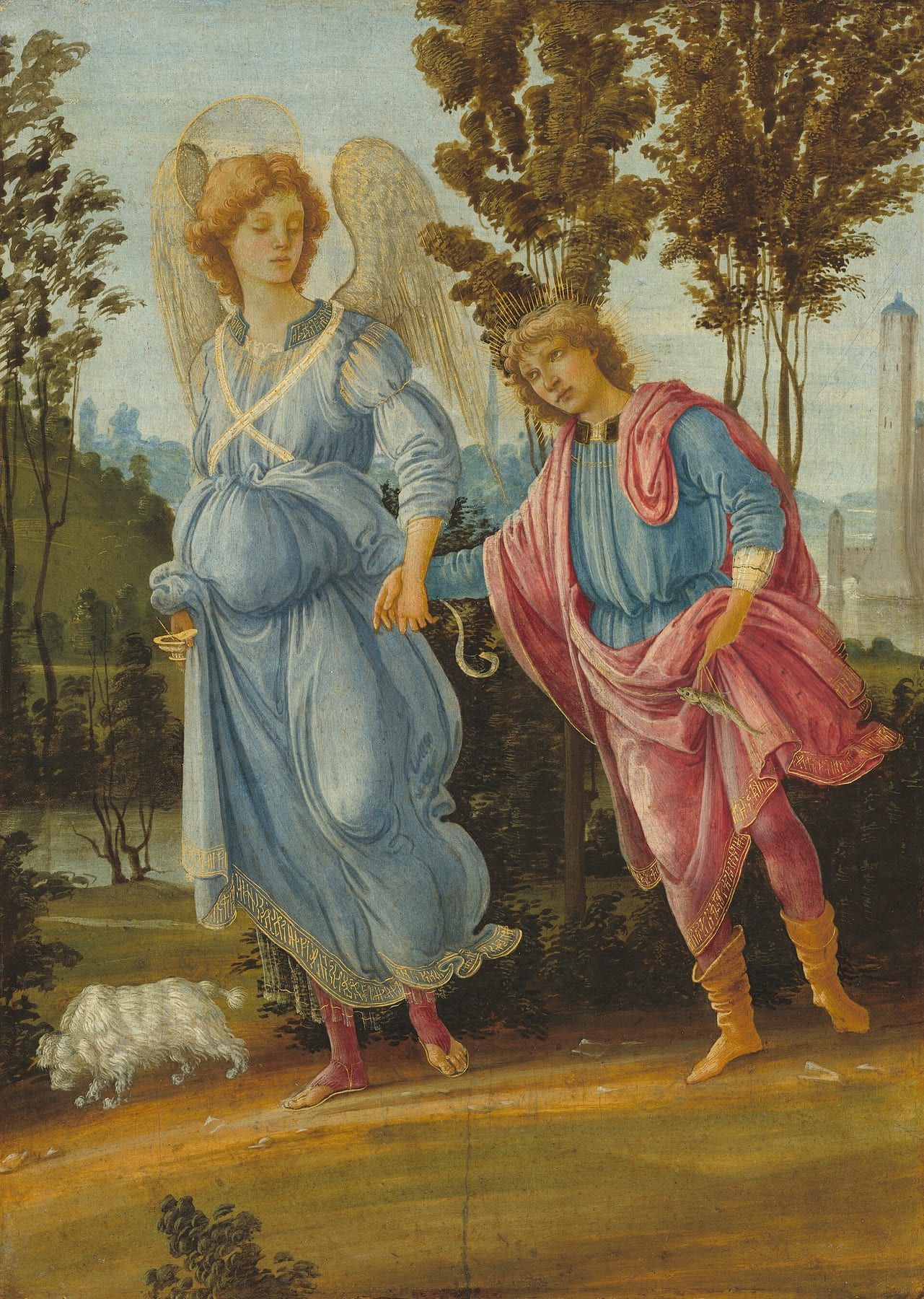
When it is said
In the Liturgy of St Mark it comes after the prayers for the sick and before the prayer for rain.
Anyone can pray it at home, for someone on a journey or for everyone who is travelling today.
Where it comes from
No author known
The liturgy of Alexandria
The Liturgy of St Mark is the old Communion service of the Church of Alexandria in Egypt. Its full Greek text survives in a manuscript of the 12th century. The liturgy is named after the evangelist Mark. The church historian Eusebius recorded the tradition that Mark was the first sent to preach the Gospel in Egypt and that he founded the first churches in Alexandria.
Eusebius, Church History, book 2, translated in Nicene and Post-Nicene Fathers, series 2, vol. 1; F. E. Brightman, Liturgies Eastern and Western, 1896
Still prayed in church
The Russian Orthodox Church Outside Russia approved the Liturgy of St Mark for use in 2007. A few of its churches serve it each year on St Mark’s feast, so this petition for travellers is still prayed at the altar.
The Scripture in it
All these people died in faith, without having received the things they were promised. However, they saw them and welcomed them from afar. And they acknowledged that they were strangers and exiles on the earth.
Bible text: Berean Standard Bible, public domain.
In Greek
Τοὺς ἀποδημήσαντας ἡμῶν ἀδελφοὺς ἢ μέλλοντας ἀποδημεῖν ἐν παντὶ τόπῳ κατευόδωσον
εἴτε διὰ γῆς ἢ ποταμῶν ἢ λιμνῶν ἢ ὁδοιποριῶν ἢ οἱουδήποτε τρόπου τὴν πορείαν ποιοῦντας,
πάντας πανταχοῦ ἀποκατάστησον εἰς λιμένα εὔδιον, εἰς λιμένα σωτήριον,
σύμπλους καὶ συνοδοιπόρος αὐτῶν γενέσθαι καταξίωσον,
ἀπόδος τοῖς οἰκείοις αὐτῶν χαίροντας χαίρουσιν, ὑγιαίνοντας ὑγιαίνουσιν·
ἀλλὰ καὶ ἡμῶν Κύριε τὴν παρεπιδημίαν τὴν ἐν τῷ βίῳ τούτῳ
ἀβλαβῆ καὶ ἀχείμαστον μέχρι τέλους διαφύλαξον.
From F. E. Brightman, Liturgies Eastern and Western (Oxford, 1896), The Liturgy of St Mark, p. 127.