
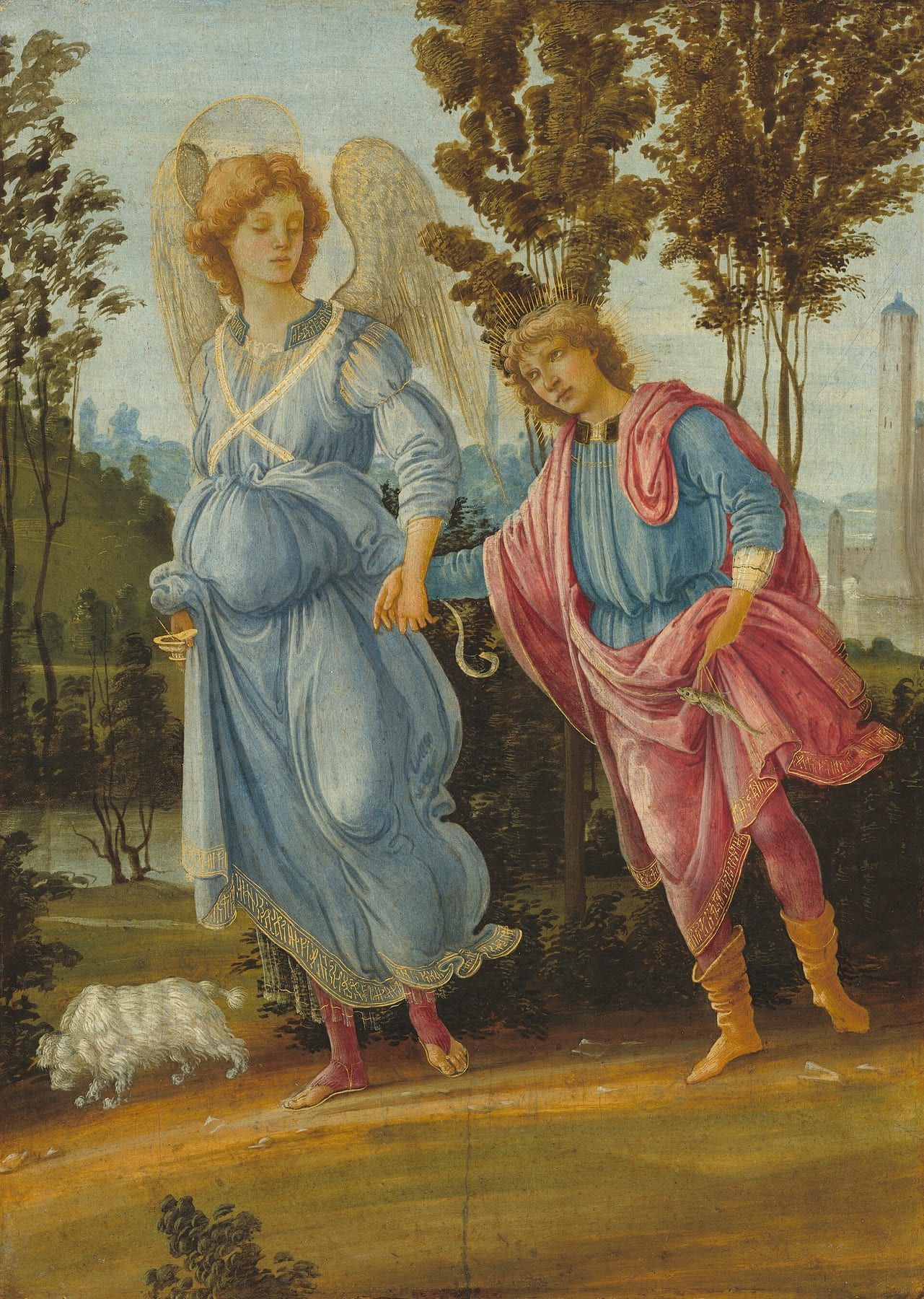
When it is said
A priest prays it over someone who is about to travel.
At home, a parent or friend might pray it for someone who is leaving, with that person’s name. A traveller can pray it for themselves too.
Where it comes from
No author known
A short service for travellers
In the Greek service books the prayer belongs to a short service for travellers, in which a piece of bread is lifted up in honour of the Mother of God. If the traveller is in church, the priest prays it over them. The Greek service book that Jacques Goar published in Paris in 1647 already has it. Its Latin note before the prayer speaks of someone about to sail.
Jacques Goar, Euchologion sive Rituale Graecorum, Paris, 1647, pp. 865-866; The Great Euchologion, Venice, 1862, pp. 589-590
In the Russian service books
Russian priests have the same prayer in their book of services and blessings for daily life. There it stands on its own, for anyone about to set out. The translator G. V. Shann put that book into English in 1894, working from the Church Slavonic.
G. V. Shann, Book of Needs of the Holy Orthodox Church, 1894, chapter 33
What the words mean
Which Joseph?
The prayer speaks only of “Your servant Joseph”. The longer prayer for travellers in the Church’s blessing for a journey opens the same way and recalls Christ going into Egypt with Mary’s husband Joseph (Matthew 2:14). A petition in that blessing remembers how God led Joseph the son of Jacob into Egypt and made him prosper there (Genesis 39:2-3). Either Joseph fits, and the prayer does not settle which one it means.
The Scripture in it
Jesus answered, “I am the way and the truth and the life. No one comes to the Father except through Me.”
Bible text: Berean Standard Bible, public domain.
In Greek
Ὁ Θεὸς, ὁ Θεὸς ἡμῶν, ἡ ἀληθινὴ καὶ ζωηρὰ ὁδὸς,
ὁ συνοδεύσας τῷ θεράποντί σου Ἰωσὴφ,
συνόδευσον, Δέσποτα, καὶ τῷ δούλῳ σου (τῷ δεῖνι),
καὶ ῥῦσαι αὐτὸν ἀπὸ πειρατηρίων, καὶ πάσης χειμασίας καὶ ἐπιβουλῆς·
εἰρήνην καὶ εὐρωστίαν ἀποκατάστησον·
δικαιοσύνης πάσης πρόνοιαν ποιούμενον, κατὰ τὰς ἐντολάς σου,
καὶ πλήρη τῶν βιωτικῶν καὶ ἐπουρανίων ἀγαθῶν γενόμενον,
πάλιν ἐπανελθεῖν εὐδόκησον.
Ὅτι σοῦ ἐστιν ἡ βασιλεία, καὶ ἡ δύναμις, καὶ ἡ δόξα,
τοῦ Πατρὸς, καὶ τοῦ Υἱοῦ, καὶ τοῦ Ἁγίου Πνεύματος,
νῦν καὶ ἀεὶ, καὶ εἰς τοὺς αἰῶνας τῶν αἰώνων. Ἀμήν.