
When it is said
Anyone may pray it at any time.
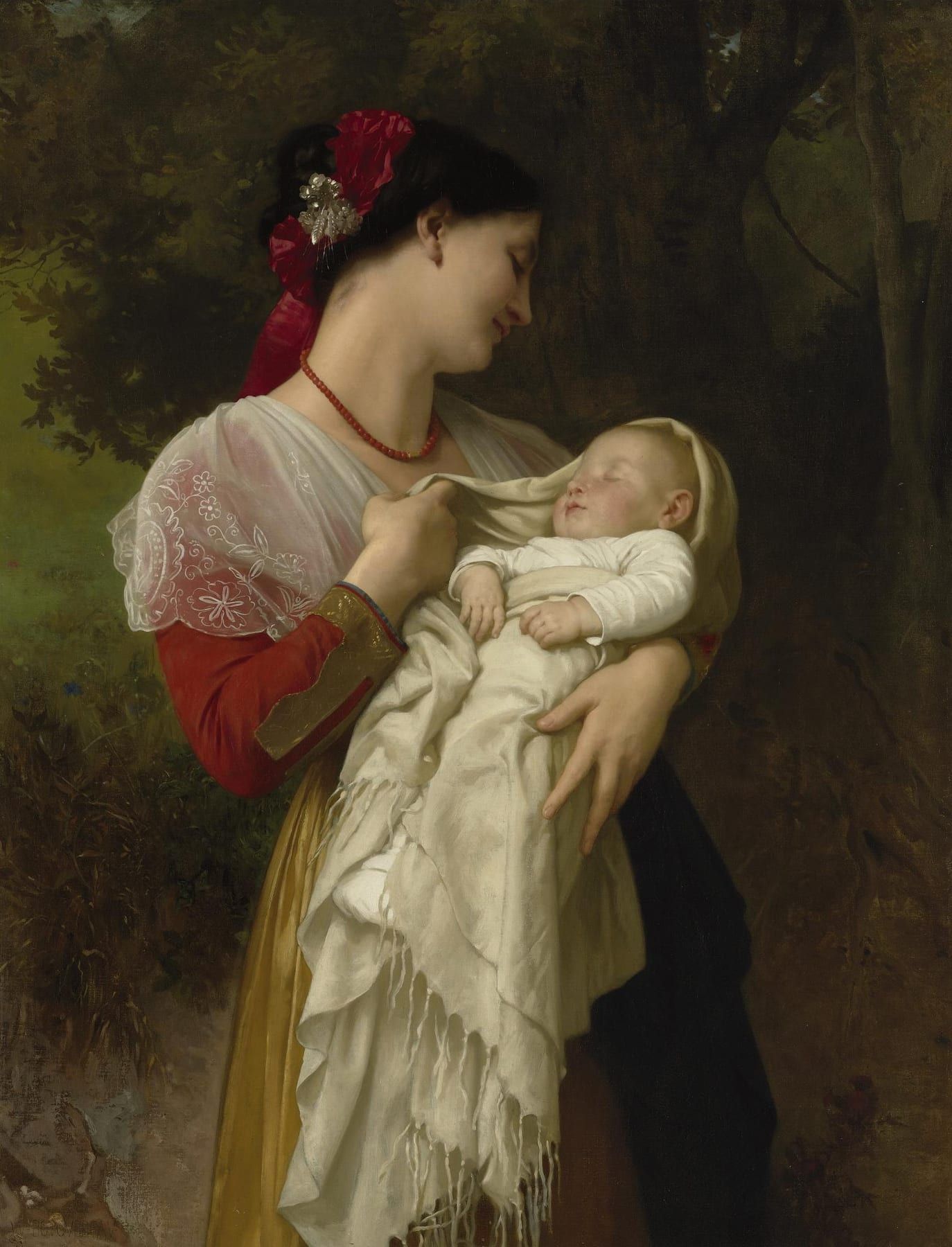
Verses 13 to 16 suit a mother or father waiting for a baby, because they praise God for shaping a child in the womb.
Where it comes from
Author by tradition
Who wrote it?
The heading of Psalm 139 in the Hebrew calls it a psalm of David, and the heading in the Greek does too. The Orthodox Church prays the psalms in the Greek, where it is Psalm 138.
Brenton’s English Septuagint (1851), Psalm 138; Psalm 139 in Hebrew, Mechon Mamre
St Athanasius on this psalm
St Athanasius of Alexandria lived from about AD 295 to 373. In his Letter to Marcellinus on praying the psalms, he gives this psalm to anyone who has taken their trials as a test and wants to give thanks once they are over.
What the words mean
Where the Greek differs
In the Greek Psalter two of these verses read differently. Its verse 13 says “thou hast helped me from my mother’s womb”, and its verse 16 says “all men shall be written in thy book”. The plain wording follows the Hebrew.
The Scripture in it
For You formed my inmost being; You knit me together in my mother’s womb. I praise You, for I am fearfully and wonderfully made. Marvelous are Your works, and I know this very well. My frame was not hidden from You when I was made in secret, when I was woven together in the depths of the earth. Your eyes saw my unformed body; all my days were written in Your book and ordained for me before one of them came to be.
Bible text: Berean Standard Bible, public domain.