
The gift of discernment
- 3Statements
- 4Recorded acts
- 17Gifts
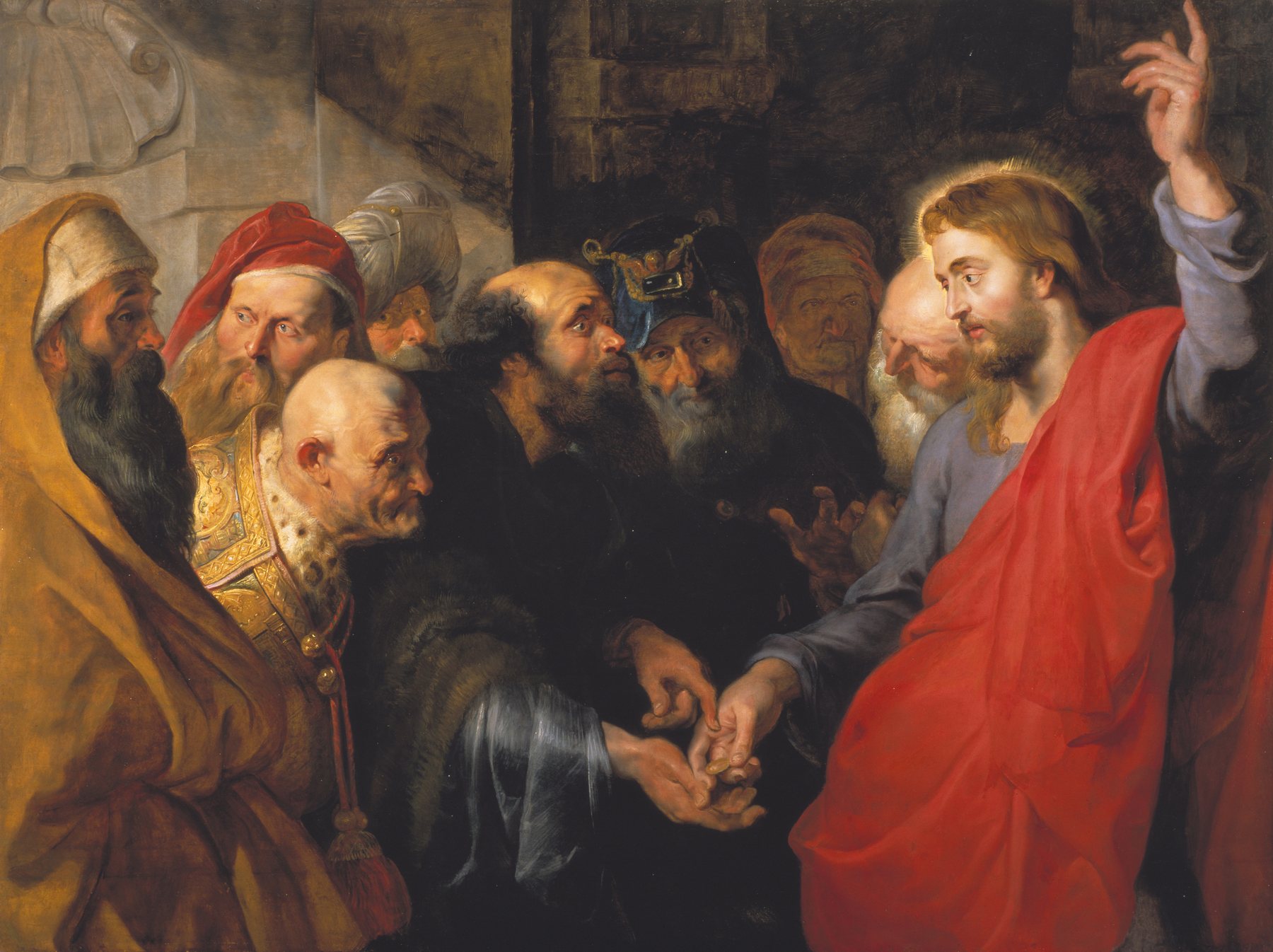
Picture: The Tribute Money, Peter Paul Rubens, about 1612. Fine Arts Museums of San Francisco, San Francisco.
From your result on . See your result
- Discernment
A low row is something these statements did not find, not a verdict on you.
What is the spiritual gift of discernment?
Discernment, or the discerning of spirits, is named in 1 Corinthians 12:10. It is the gift of telling what is behind a thing said or taught: whether it is true, and whether it is from God. Paul gives that job to a whole congregation, not to one person.
Why it matters
Churches are damaged far more often by a plausible teacher than by an obviously bad one, and this is the gift that catches the plausible. Paul puts the weighing in the hands of the room rather than of an office, so a congregation where questions are unwelcome has no defence at all. Used badly the same gift becomes a licence to distrust everybody, which is why the instruction ends in holding on to what is good.
Where does the Bible name it?
-
to another discerning of spirits
1 Corinthians 12:10
World English Bible British Edition
What does the gift of discernment look like in a church?
The passage names the discerning of spirits and does not explain it. Of prophets speaking in church Paul writes, “let the others discern” (1 Corinthians 14:29), and John writes, “test the spirits, whether they are of God” (1 John 4:1). These statements ask whether you look into what you are told before you accept it, and what has happened when you weighed something taught about God or said to be from Him.
They say nothing about how you knew, and they are not about first impressions of people. Nor do they ask about telling what is moving your own thoughts and desires, which many Christians also call the discernment of spirits and take to a confessor or spiritual father. Paul names this in the same sentence as healing, miracles and tongues (1 Corinthians 12:8-10), and Christians disagree about which of the gifts in that sentence God still gives today.
In an ordinary week it is the person who reads the book everybody is quoting and comes back with the chapter that does not hold. It is whoever notices that a visiting speaker’s stories keep improving. It is the question asked in a meeting that changes the decision, and the person asking it is often not the most senior one in the room.
People notice it in themselves as a reflex. You look into where an idea came from before you accept it. You have stopped reading a writer you liked because of what they taught about God. The worries you raise turn out, often enough, to have been worth raising.
The gift it is most often confused with is suspicion, and the difference is where each of them starts. Suspicion begins with distrust and goes looking for evidence. Paul’s word begins with a test that can come out either way, and the instruction attached to it is to keep whatever passes: “Test all things, and hold firmly that which is good” (1 Thessalonians 5:21).
Did you know?
-
Paul gives the weighing of prophecy to the congregation rather than to an officeholder: “Let two or three of the prophets speak, and let the others discern.”
1 Corinthians 14:29, World English Bible British Edition
-
Hebrews treats this as trained rather than switched on. Solid food belongs to those “who by reason of use have their senses exercised to discern good and evil”.
Hebrews 5:14, World English Bible British Edition
-
The people Luke praises for checking were checking Paul. The Beroeans received the word readily and then examined the Scriptures daily “to see whether these things were so”, and Luke calls them more noble for it.
Acts 17:11, World English Bible British Edition
Who did this in the Bible?
-
Acts 8:18-23
When Simon offered money for the power to give the Holy Spirit, Peter told him his heart was not right before God and said what he saw in him.
-
Acts 5:1-4
Ananias kept back part of a sale price and laid the rest at the apostles’ feet; Peter asked him why Satan had filled his heart to lie to the Holy Spirit and to keep back part of the price. Luke does not say how Peter knew.
-
Acts 13:6-10
At Paphos they found a sorcerer, a false prophet, whose name was Bar Jesus, with the proconsul, who had summoned Barnabas and Saul to hear the word of God; the sorcerer, whose name Luke also gives as Elymas, withstood them, seeking to turn the proconsul away from the faith, and Paul, filled with the Holy Spirit, fastened his eyes on him and called him full of all deceit.
-
Acts 17:11
The Jews of Beroea received the word with all readiness of mind and examined the Scriptures daily to see whether these things were so.
Suggest a correction. Corrections that are applied are recorded in the public changelog.