Sign Up My Profile
Patron saints

Patron saints of lost things

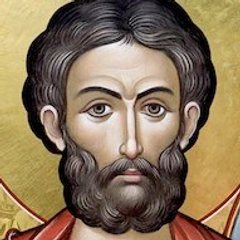
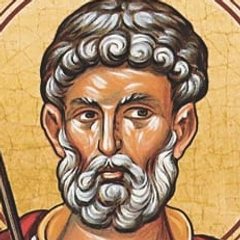
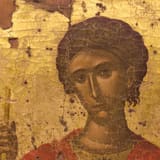
Catholics ask St Anthony of Padua, and the Orthodox ask St Phanourios, or St John the Warrior for something stolen.

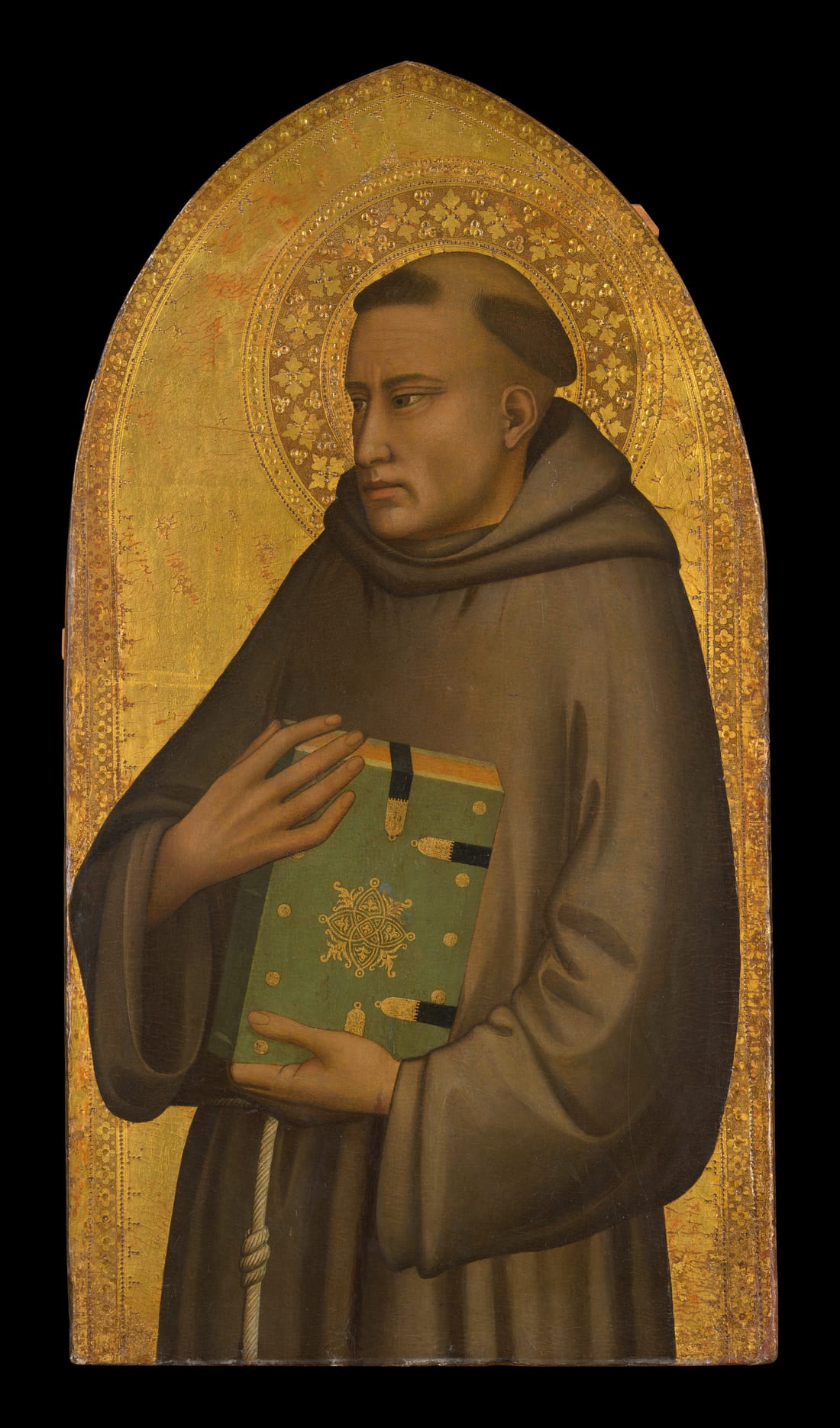
Picture: Maso di Banco, Saint Anthony of Padua, about 1340, The Metropolitan Museum of Art, New York

Catholics ask him

St Anthony of Padua

Prayer to St Anthony for lost things

St. Anthony, perfect imitator of Jesus,who received from God the special power of restoring lost things,grant that I may find (name the item)which has been lost.

At least restore to me peace and tranquility of mind,the loss of which has afflicted me even more than my material loss.

To this favor, I ask another of you:that I may always remain in possession of the true good that is God.Let me rather lose all things than lose God, my supreme good.Let me never suffer the loss of my greatest treasure, eternal life with God.Amen.

Many Catholics say an old rhyme as they search: “Tony, Tony, turn around, something’s lost and must be found.” People were asking him for lost things long before the rhyme. This hymn already counts lost things found again among the wonders done through him. A story first written down more than a century after he died tells how a novice who was leaving the friars stole the book of psalms Anthony taught from. Anthony prayed, and the novice brought the book back and asked to rejoin the friars.

As printed by “Prayer to St. Anthony to find an item that was lost”, Aleteia, 2020.
More about St Anthony of Padua His story, his feast day and where his prayer comes from

The Orthodox ask him

St Phanourios

Troparion of St Phanourios

Plain English only: no traditional English wording is given for this prayer

A heavenly hymn is sung brightly on earth,and the company of angels now joyfully keeps an earthly feast.From above they praise your struggles with hymns,and from below the Church praises the heavenly glorythat you found by your labors and your struggles,glorious Phanourios.

The kontakionWise in God, you saved priests from godless captivityand broke their chains by divine power.You bravely shamed the boldness of tyrantsand gladdened the ranks of angels, great martyr.So we honor you, soldier of God, glorious Phanourios.

Another troparionYou rose like a star in the Church of Christand gave light to all,when you were wondrously revealed, glorious Phanourios.So to those who praise your struggle, martyr,you give the saving grace of your wonders,as you plead with the Lord for our souls.

His name sounds like the Greek word for “to reveal”, so the Orthodox ask him to reveal what they have lost. Many promise him a cake called a fanouropita, and when the thing turns up they bake it and share it with friends and the poor. As they do, they pray for his mother, because tradition says she was a sinner and that he helps those who pray for her.

Plain English by Wiser Walk, from the Greek of the service for his feast; the Orthodox Church in America has a modern English of the first two hymns. How the wording is made.

More about St Phanourios Why people ask him, his feast day and where his prayer comes from

The Orthodox ask him

St John the Warrior

Troparion of St John the Warrior

O John, worker of miracles,you showed yourself a faithful servant and warriorof the all-good God and King,for you suffered bravely for the faithand finished your race in blessedness.

In heaven you see the Lord, the Creator of all,in the brightest light.From Him you received the gift of miracles,and you help people who suffer in every kind of trouble.You give soldiers strength in battleand rescue them from capture by the enemy,from wounds and sudden death, and from cruel misfortunes.

So pray to Christ the Master, O ever-remembered one,to show us mercy in every hardship,not to lead us into temptations,but to save our souls, for He is the Lover of mankind.

Traditional wording, 2000

O wonder-worker John, thou hast been shown to bea right faithful servant and warrior of God, the all-good King;for, having manfully suffered for the Faithand finished thy course in blessedness,

in the heavens thou beholdest the Lord and Creator of all most splendidly,and helpest men who suffer amid all manner of trials.And thou dost strengthen soldiers in battle,rescuing them from capture by the enemy,from wounds, sudden death and cruel misfortunes.

Wherefore, entreat Christ the Master, O ever-memorable one,that He deal mercifully with us in every circumstance,that He lead us not into temptations,but save our souls, in that He loveth mankind.

In the AD 900s, the book of saints’ lives read in the churches of Constantinople already said he was known above all for revealing stolen goods and bringing thieves to light. Another hymn of his feast, sung at Vespers, calls him a “revealer of lost and hidden things”.

Plain English by Wiser Walk, from the Church Slavonic, with Isaac Lambertsen’s 2000 translation beside it. How the wording is made. Traditional wording: Isaac Lambertsen, Menaion, July, 2000.

Lambertsen leaves out the line “From Him you received the gift of miracles”, which the plain wording keeps from the Slavonic.

More about St John the Warrior Why people ask him, his feast days and where his prayer comes from

Other saints people ask

The Orthodox ask him

St Menas

Troparion of St Menas

Plain English only: no traditional English wording is given for this prayer

Companion of the angelsand sharer of the martyrs’ home,Menas, we have gathered in faith to praise you,asking peace for the worldand great mercy for our souls.

He was an Egyptian soldier who died for his faith in AD 304, and the Orthodox ask his help in finding what they have lost.

Plain English by Wiser Walk, from the Greek. How the wording is made.

More about St Menas His story, his feast days and where his prayer comes from

A prayer to God for this

While you search

O God, come to my assistance

O God, come to my assistance;O Lord, make haste to help me.Said again and again

Traditional wording, 1894

O God, make speed to save me:O Lord, make haste to help me.

When you have looked everywhere and panic is rising, these few words are enough. St John Cassian learned them from the monks of Egypt, who taught them as a prayer for every moment, to be said over and over.

Plain English by Wiser Walk, from the Latin of Cassian’s Conferences, with Gibson’s 1894 translation beside it. How the wording is made. Traditional wording: Edgar C. S. Gibson, Nicene and Post-Nicene Fathers, Second Series, vol. 11, 1894.

Where it comes from, and the Latin
Orthodox prayers to find something lost Every prayer for this, with the Bible passages for it.

Scripture for this

8“Or what woman who has ten silver coins and loses one of them does not light a lamp, sweep her house, and search carefully until she finds it? 9And when she finds it, she calls together her friends and neighbors to say, ‘Rejoice with me, for I have found my lost coin.’ 10In the same way, I tell you, there is joy in the presence of God’s angels over one sinner who repents.”

Luke 15:8-10 Jesus told of a woman who swept her whole house for one lost silver coin, to show heaven’s joy over one sinner who repents.

5As one of them was cutting down a tree, the iron axe head fell into the water. “Oh, my master,” he cried out, “it was borrowed!” 6“Where did it fall?” asked the man of God. And when he showed him the place, the man of God cut a stick, threw it there, and made the iron float. 7“Lift it out,” he said, and the man reached out his hand and took it.

2 Kings 6:5-7 A man lost a borrowed axe head in the Jordan. Elisha threw a stick where it sank, and the iron floated up.

Bible text: Berean Standard Bible, public domain.

Close to this

Every saint’s prayer Saints by need

Suggest a correction

Berean Standard Bible