
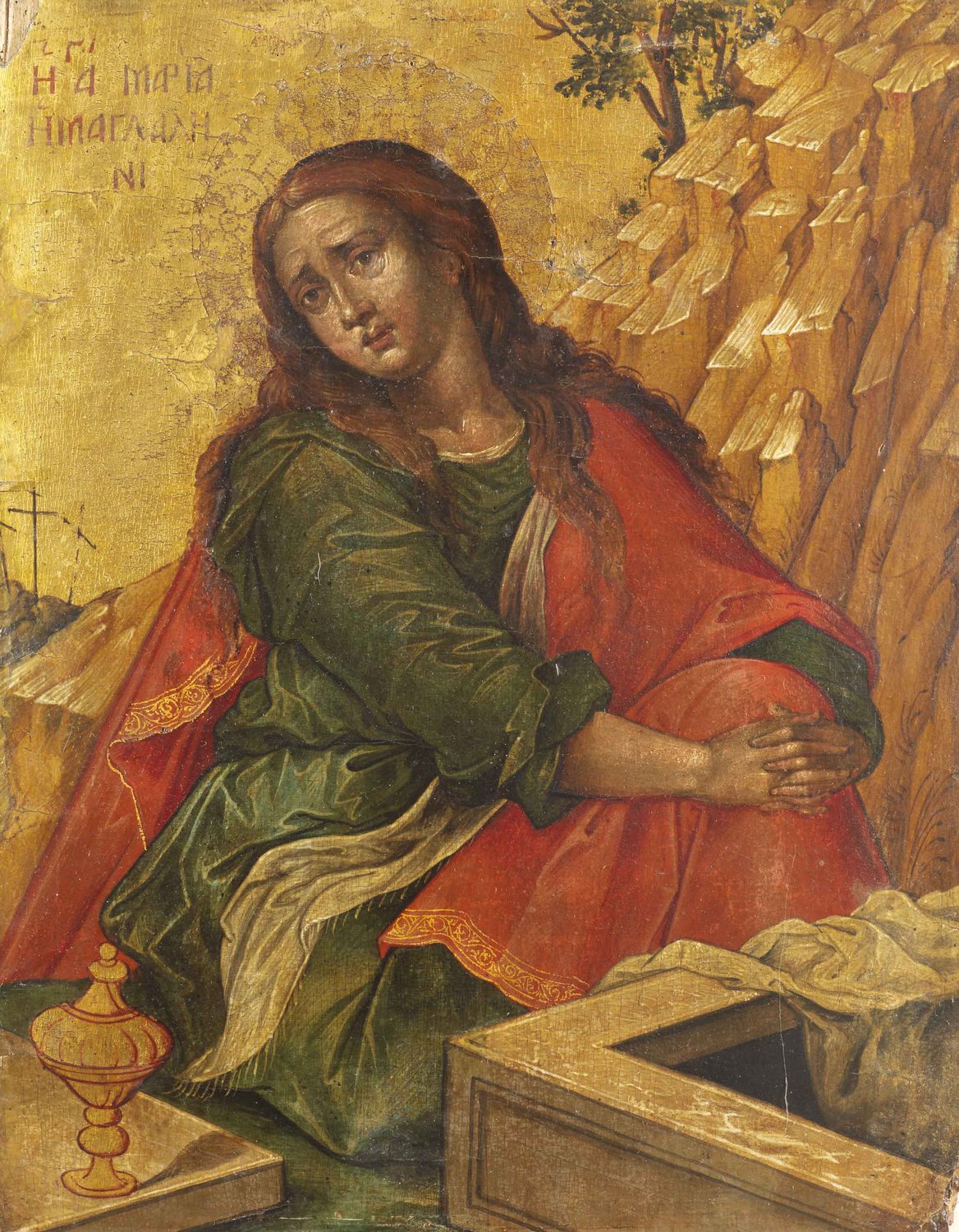
When it is said
It ends the Panikhida, the Russian memorial service. After the closing blessing, the deacon or priest asks eternal rest for the one who has died. Then all sing “Memory eternal” three times.
The short service for the departed in Russian prayer books, which anyone may say at home or at the grave, ends the same way.
Greek churches end their memorial service, the Trisagion, with the same words in Greek, “Eonia i mnimi”, sung three times.
Where it comes from
No author known
Said to the one who has died
At the end of an Orthodox funeral, the priest speaks to the one who has died. Three times he says: “Eternal be your memory, our brother, worthy to be called blessed and ever remembered.” Then the choir sings “Memory eternal” three times.
Greek Orthodox Archdiocese of America, the Trisagion for the departed (Greek); Isabel F. Hapgood, Service Book of the Holy Orthodox-Catholic Apostolic Church (1906)
Said of a friend
Isabel Hapgood translated the Russian service book into English in 1906. In her preface she thanked the late Archpriest Feodor Pavlovitch for many books and much help. She ended the sentence with two words: “Memory Eternal!”
Isabel F. Hapgood, Service Book of the Holy Orthodox-Catholic Apostolic Church (1906)
What the words mean
What does “memory eternal” mean?
Bishop Nikolai Velimirovich asked what could be eternal on an earth where everything passes. The prayer asks instead that the departed be remembered in eternal life, in the kingdom of God. Jesus told His disciples to rejoice that their names are written in heaven.
American Carpatho-Russian Orthodox Diocese, “Eternal Memory”
“In blessed sleep”
The prayer calls death a sleep, as St Paul did. He wrote that God will bring with Jesus “those who have fallen asleep” in Him. It is a word of hope: those who sleep will wake.
The Scripture in it
Surely he will never be shaken; the righteous man will be remembered forever.
For since we believe that Jesus died and rose again, we also believe that God will bring with Jesus those who have fallen asleep in Him.
Bible text: Berean Standard Bible, public domain.
In Church Slavonic
Во блаженном успении вечный покой подаждь, Господи, усопшему рабу Твоему (имя), и сотвори ему вечную память.
Вечная память.