
When it is said
The Orthodox Church reads or sings it at Matins, its morning service, as the fourth of the nine Bible songs called the odes, with the refrain “Glory to Thy power, O Lord.”
Anyone may pray it when the work or the income they lived on is gone.
Where it comes from
Author known
Why Habakkuk was afraid
Habakkuk lived when violence filled his land and justice was never done. He asked God how long he must cry for help before God would save. God answered that He was raising up the Chaldeans, a fierce nation that would march through the land. Habakkuk saw that God had appointed them to judge and to correct. The third chapter of his book is his prayer in answer to that news.
Habakkuk 1:2-6; Habakkuk 1:12; Habakkuk 3:1
The vision in the middle
Before these last verses, the prayer holds a long vision of God coming in power. Mountains tremble, the sun and moon stand still, and God goes out to save His people. Habakkuk’s lips quivered when he heard it. Its last verses, given here, turn from that fear to joy in the LORD.
Habakkuk 3:3-16
The Scripture in it
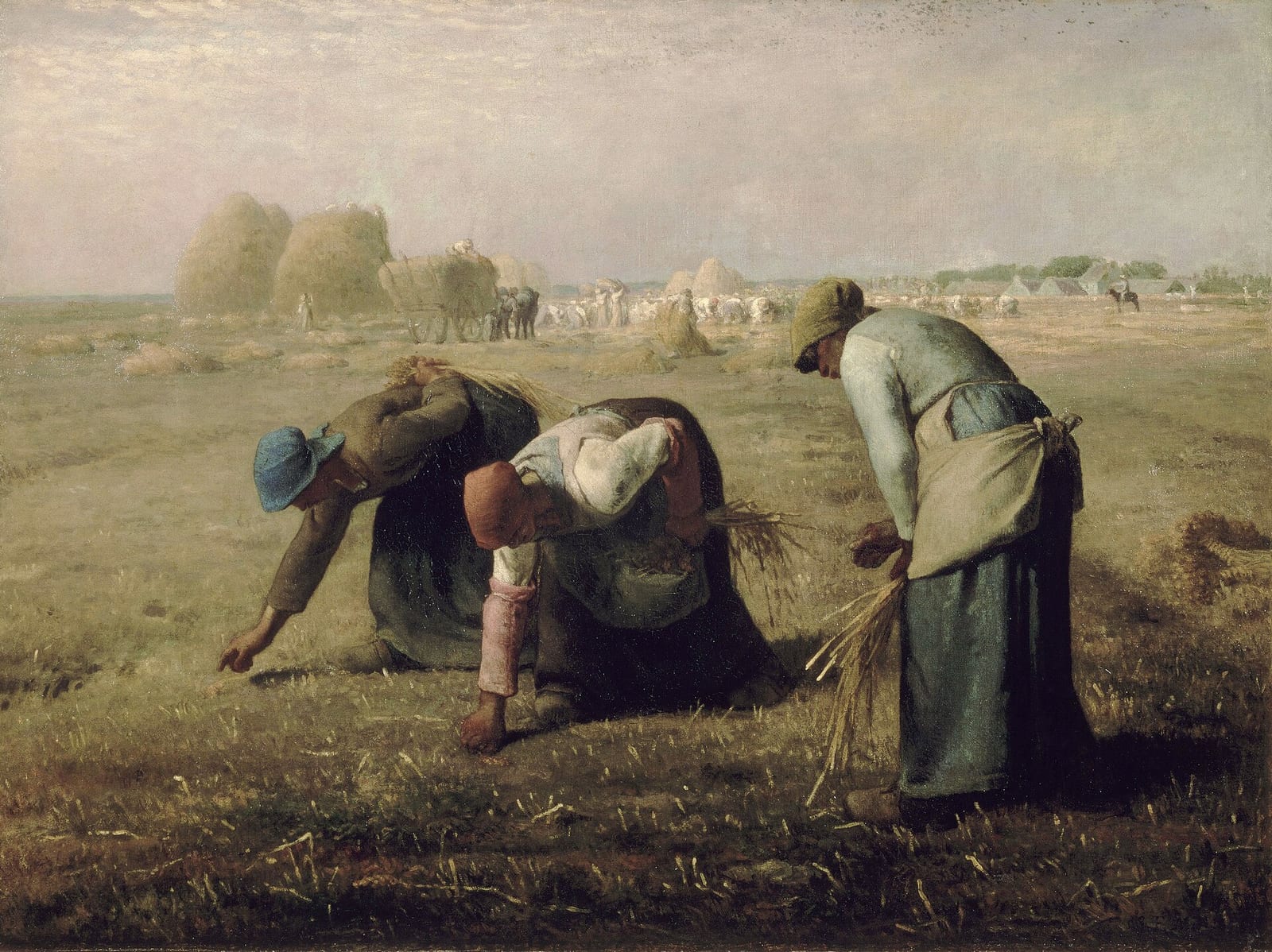
Though the fig tree does not bud and no fruit is on the vines, though the olive crop fails and the fields produce no food, though the sheep are cut off from the fold and no cattle are in the stalls, yet I will exult in the LORD; I will rejoice in the God of my salvation! GOD the Lord is my strength; He makes my feet like those of a deer; He makes me walk upon the heights! For the choirmaster. With stringed instruments.
Bible text: Berean Standard Bible, public domain.