In the 300s, a man named Marcellinus was getting over an illness. He spent the time reading the Psalms and trying to understand each one.
His friend Athanasius was the bishop of Alexandria. He wrote back to Marcellinus and passed on what a studious old man had once taught him about the Psalms.
The Church has kept that letter close. One of the oldest Bibles in the world, the Codex Alexandrinus from the 400s, places it right in front of the Book of Psalms.
Say them as your own words
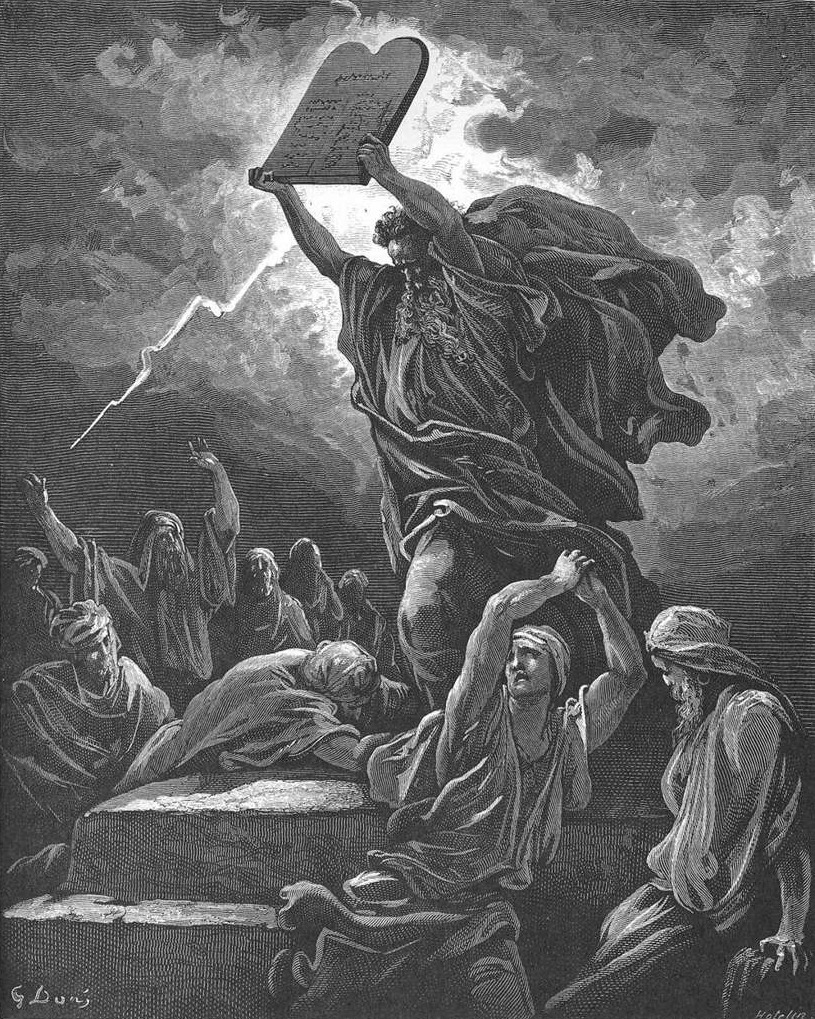
Most of the Bible, the old man said, you read as other people’s words. Moses once told God to forgive the people, or else blot him out of His book. Nobody prays that as their own prayer. We read it as Moses’s.
The Psalms are different. Apart from the parts that foretell Christ, you say them as your own words, as if they had been written about you. The old man called them a mirror. When you sing them, you see yourself in them, and you see what is going on in your own soul.
So when you pray Psalm 3 with your own troubles in mind, its words become yours:
“O LORD, how my foes have increased! How many rise up against me!” (Psalm 3:1)
When the psalm says “I”, mean yourself.
Let them give you the words
The rest of Scripture tells you what to do. The Psalms also give you the words to say while you do it.
You are told to repent. The Psalms show you how, and what to say. You are told to give thanks in everything. The Psalms give you the words for it. When trouble comes, they show you what to say in the middle of it, and what to say once it is over.
This helps anyone who has sat down to pray and found nothing to say. You do not have to make up a prayer. You can borrow one that people have prayed for some three thousand years:
“Have mercy on me, O God, according to Your loving devotion; according to Your great compassion, blot out my transgressions.” (Psalm 51:1)
Choose the psalm for what you are going through
The old man then went through one situation in life after another. For each one, he named the psalm to pray. Here are a few:
- When your own people have turned against you: Psalm 3.
- When people have schemed against you for so long that you wonder if God has forgotten you: Psalm 13.
- When you can see the Lord guiding your way: Psalm 23.
- When you have done wrong and want to come back to God: Psalm 51.
- When life has worn you down and you need comfort: Psalm 102.
He compared the Psalms to a garden. You go in and pick whatever fruit you need. He believed that every part of human life is found somewhere in them.
We have put 53 of his situations in one guide, each with its psalm printed in full. If you are not sure which one fits you, a few honest questions will find it.
Leave the words as they are
On this the letter is firm. Don’t dress the Psalms up with fancy words. Don’t reword them or change them. Just say them or sing them as they are written.
His reason is a beautiful one. When you keep their words, the holy men who first spoke them recognize their own words and pray along with you. Even more, the Holy Spirit sees the words He first gave them, and He helps you. The saints lived better lives than we do, he says, so their words are stronger than anything we could write ourselves.
A word of our own: there is still room for your own words in prayer. Just start with theirs.
Sing them
Why are the Psalms sung at all? The old man said it is not about sounding nice. Your mind, your desires and your temper are meant to work together instead of pulling against each other. He points to Pilate. Pilate said he found no fault in Jesus, and then he went against his own judgment and gave in to the crowd. Singing a psalm in tune pictures a soul in harmony, and it helps bring yours into harmony.
He gives three lines to show how it works. When you are downcast, singing this steadies you:
“Why are you downcast, O my soul? Why the unease within me?” (Psalm 42:5)
When you have slipped, this line lets you own up to it:
“But as for me, my feet had almost stumbled; my steps had nearly slipped.” (Psalm 73:2)
When you are afraid, this one gives you hope:
“The LORD is on my side; I will not be afraid. What can man do to me?” (Psalm 118:6)
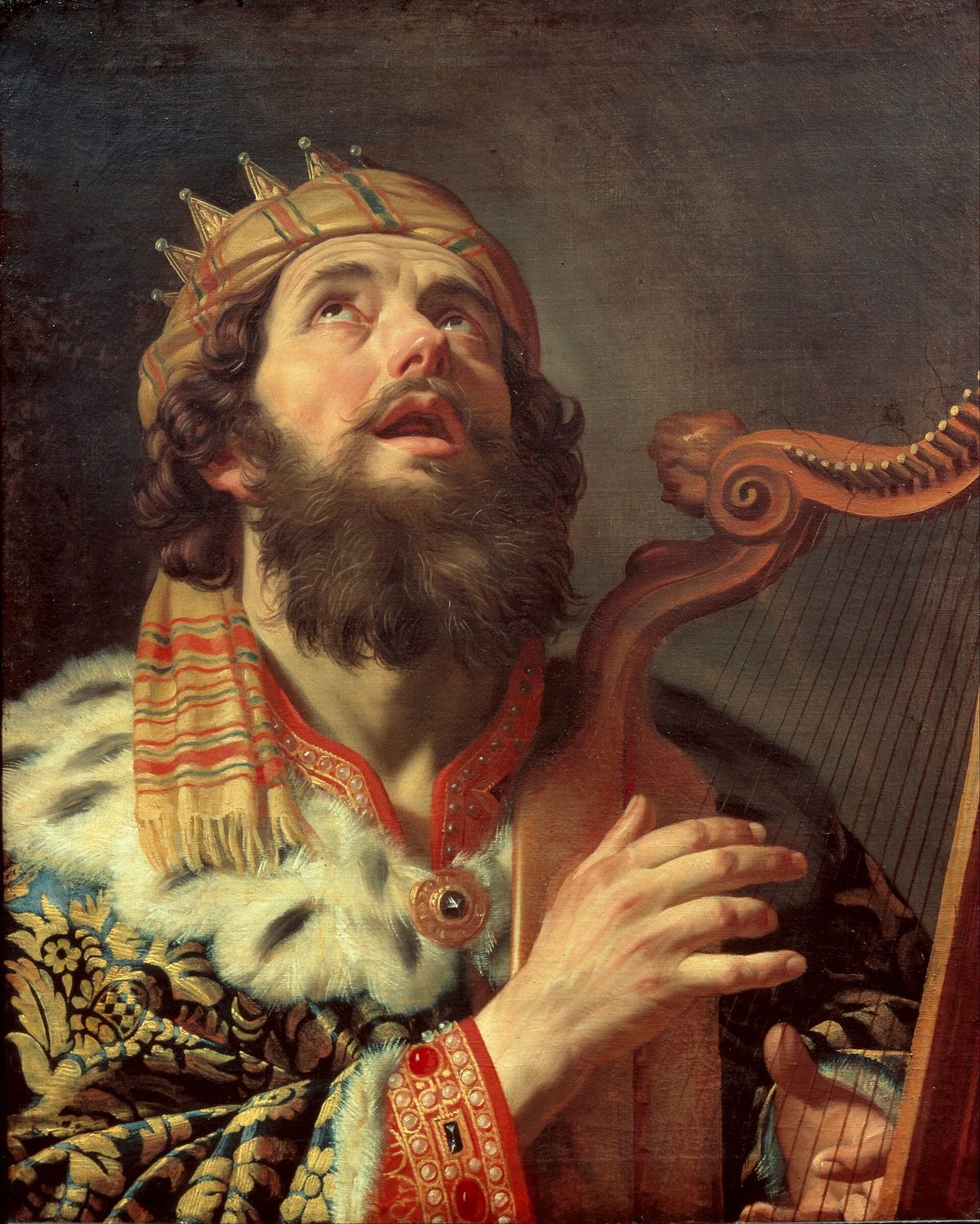
He says people who sing this way sing with their minds as well as their voices. It helps them, and it helps anyone listening. His example is David playing the harp for King Saul: “whenever the spirit from God came upon Saul, David would pick up his harp and play. Then Saul would find relief and feel better, and the spirit of distress would depart from him” (1 Samuel 16:23).
You do not need a good voice for this. The tune was never about sounding good. If singing isn’t for you, try this instead: read the psalm slowly and out loud. You keep some of the rhythm, and your mind stays on the words.
Pray them for someone else
Near the end, the letter turns to other people. If someone you care about is suffering, pray the Psalms over them. It helps them, and it shows that your own faith is real.
The old man had already named a psalm for this. When you see someone in trouble, comfort them by praying Psalm 20 over them:
“May the LORD answer you in the day of trouble; may the name of the God of Jacob protect you.” (Psalm 20:1)
Keep at it
The letter ends with Psalm 119. Its writer says God’s words carried him through: “Your statutes are songs to me in the house of my pilgrimage” (Psalm 119:54). And again: “If Your law had not been my delight, then I would have perished in my affliction” (Psalm 119:92).
So keep reading the Psalms, the letter tells Marcellinus, and read them with care. The Holy Spirit will guide you, and you will come to understand each one. That was what Marcellinus wanted all along.
Bible text: Berean Standard Bible. Athanasius’s letter is paraphrased from the original Greek.