In 1991 the Patriarch of Constantinople sent a Greek bishop, Anastasios, to rebuild the Church in Albania, though he knew no Albanian. Under the communist state, which had banned religion, the Cathedral of the Annunciation in Tirana had become a gym. Standing in its ruins, he asked the few people with him how to say “Christ is risen” in their language. He had everyone take a candle. When the candles were lit, he called out, “Krishti u ngjall!” Through their tears the people answered, “Vërtet u ngjall!”, which means “Truly He is risen!” As he put it years later, in that country Christ had been crucified and buried for 23 years, “but at last Christ is risen”.
What does “Christ is risen” mean, and how do you answer it?
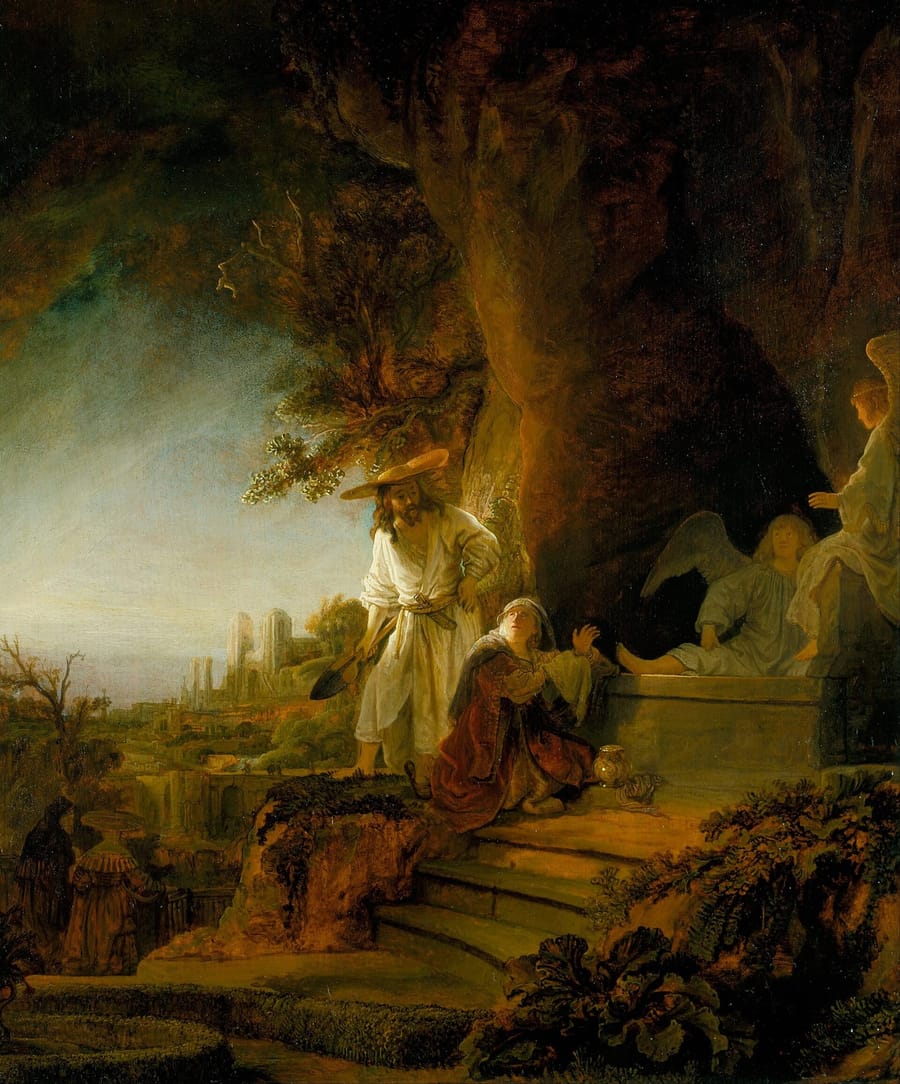
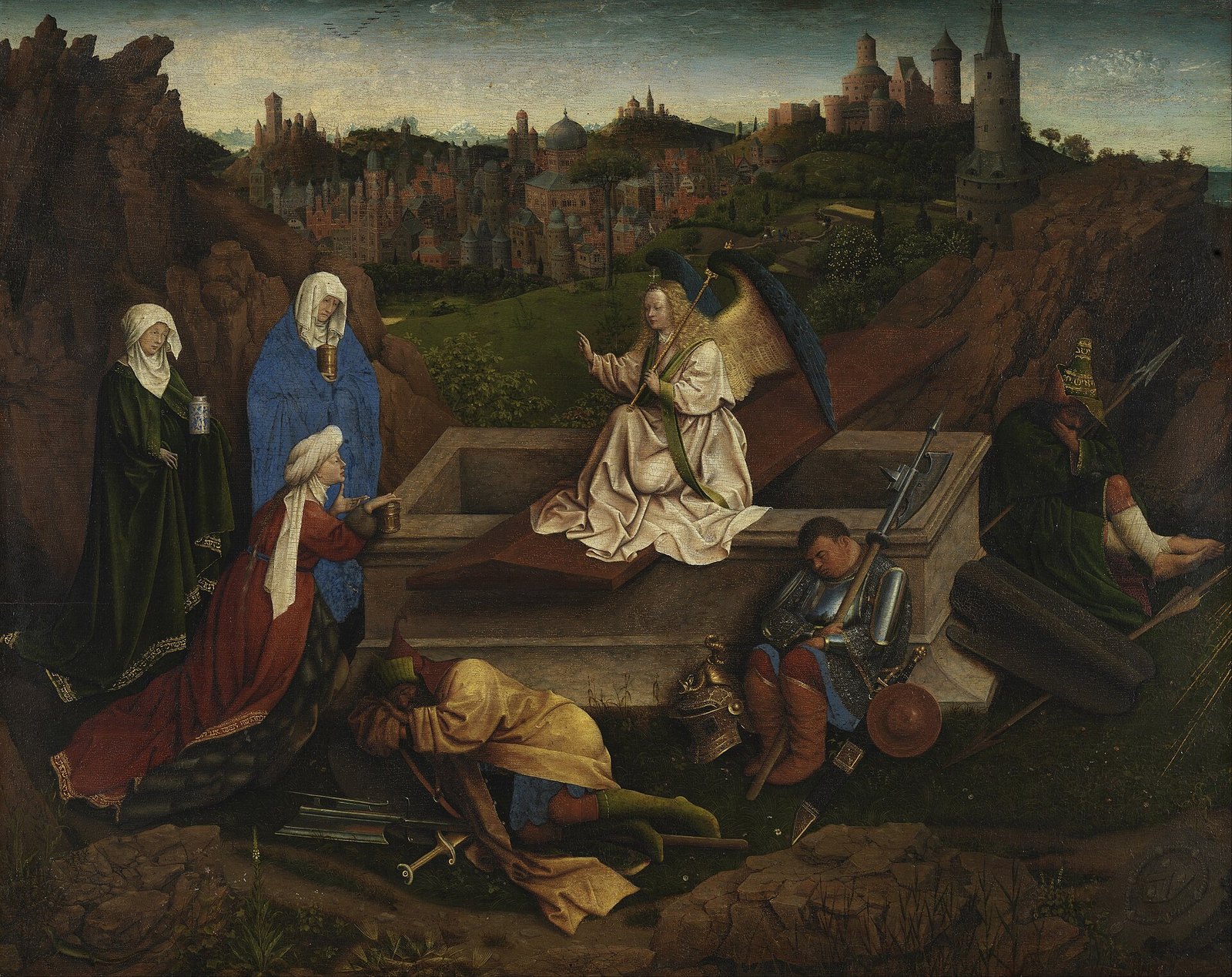
The greeting comes from the Gospels. On Easter morning an angel told the women at the empty tomb, “He is not here; He has risen, just as He said!” (Matthew 28:6). That evening the disciples in Jerusalem were telling each other, “The Lord has indeed risen and has appeared to Simon!” (Luke 24:34).
Orthodox Christians use it in place of “hello” for the 40 days from Easter to the feast of the Ascension. One person says, “Christ is risen!” and the other answers, “Truly He is risen!” or “Indeed He is risen!” The Romanian Patriarchate calls the words a confession of faith in the Resurrection as well as a greeting.
In church on Easter night the priest calls it out and the people shout the answer back, three times and often many more. An Italian parish’s service book notes that it may be repeated “in various languages”, and at a Korean Orthodox Easter service in 2025 it rang out in Greek, Slavonic and English. After everyone has exchanged the greeting with a kiss, the priest reads the Easter sermon of St John Chrysostom, which speaks to hell itself: “O Hell, where is thy victory? Christ is risen, and thou art overthrown.”
“Christ is risen” in different languages
Here is the greeting and its answer as the Churches themselves print them, with Latin letters for the languages that use another alphabet.
- Greek: “Christos anesti! Alithos anesti!” (“Χριστός ἀνέστη! Ἀληθῶς ἀνέστη!”)
- Russian and Church Slavonic: “Khristos voskrese! Voistinu voskrese!” (“Христос воскресе! Воистину воскресе!”)
- Ukrainian: “Khrystos voskres! Voistynu voskres!” (“Христос воскрес! Воістину воскрес!”)
- Belarusian: “Khrystos uvaskros! Saprawdy Khrystos uvaskros!” (“Хрыстос уваскрос! Сапраўды Хрыстос уваскрос!”)
- Serbian: “Hristos vaskrse! Vaistinu vaskrse!” (“Христос васкрсе! Ваистину васкрсе!”)
- Bulgarian: “Hristos voskrese! Voistinu voskrese!” The Bulgarian Church keeps the Slavonic words, and in modern Bulgarian it is “Hristos vazkrasna! Naistina vazkrasna!”
- Macedonian: “Hristos voskrese!” (“Христос воскресе!”)
- Romanian: “Hristos a înviat! Adevărat a înviat!”
- Georgian: “Kriste aghsdga! Cheshmaritad aghsdga!” (“ქრისტე აღსდგა! ჭეშმარიტად აღსდგა!”)
- Arabic: “Al-Maseeh qam! Haqqan qam!” (“المسيح قام! حقاً قام!”)
- Albanian: “Krishti u ngjall! Vërtet u ngjall!”
- Polish: “Chrystus zmartwychwstał! Prawdziwie zmartwychwstał!”
- Czech: “Vstal z mrtvých Kristus! Vpravdě vstal Pán!”
- Slovak: the Church of the Czech Lands and Slovakia prints its Slovak message with the Slavonic words, “Christós voskrése!”
- Finnish: “Kristus nousi kuolleista! Totisesti nousi!”
- Estonian: “Kristus on surnuist üles tõusnud! Ta on tõesti üles tõusnud!”
- Latvian: “Kristus ir augšāmcēlies! Kristus patiesi ir augšāmcēlies!”
- Japanese: “Harisutosu fukkatsu! Jitsu ni fukkatsu!” (“ハリストス復活!実に復活!”)
- Chinese: “Jīdū fùhuó le! Zhēnde fùhuó le!” (“基督复活了!真的复活了!”)
- Korean: “Geuriseudokkeseo buhwalhasyeotseumnida! Chameuro buhwalhasyeotseumnida!” (“그리스도께서 부활하셨습니다! 참으로 부활하셨습니다!”)
- French: “Le Christ est ressuscité! En vérité, Il est ressuscité!”
- Spanish: “¡Cristo ha resucitado! ¡En verdad ha resucitado!”
- Italian: “Cristo è risorto! Veramente è risorto!”
- German: “Christus ist auferstanden! Er ist wahrhaftig auferstanden!”
- Dutch: “Christus is opgestaan! Hij is waarlijk opgestaan!”
- English: “Christ is risen! Truly He is risen!”
The Coptic, Syriac and Armenian Churches are not in communion with the Orthodox Churches above, but they keep the same feast with greetings of their own.
- Coptic: “Pikhristos aftonf! Khen o methmi aftonf!” Pope Tawadros of Alexandria opens his Easter message with the Greek words, in the form “Ekhristos anesti!”
- Syriac (Aramaic): “Qom Moran men qabro! Shareeroith qom!” This means “Our Lord has risen from the tomb! Truly He has risen!”
- Armenian: “Krisdos haryav ee merelotz! Orhnyal eh harootiunun Krisdosee!” The answer means “Blessed is the resurrection of Christ!”
The Coptic Pope’s Easter message is printed in many more languages, among them Ge’ez, the old church language of Ethiopia and Eritrea (“ክርስቶስ ተንሥአ! በአማን ተንሥአ!”, “Christ is risen! Truly He is risen!”), Swahili (“Kristo amefufuka! Hakika amefufuka!”), Portuguese (“Jesus Cristo ressuscitou! É verdade, Ele ressuscitou!”) and Indonesian (“Kristus bangkit, Dia sungguh bangkit”).
What do Orthodox Christians say at other times of the year?
At Christmas Orthodox Christians say, “Christ is born!” and answer, “Glorify Him!” Both lines open the Christmas hymn “Christ is born, glorify Him”, which takes them from a Christmas sermon of St Gregory the Theologian. In Church Slavonic, the language of Russian services, it is “Khristos razhdayetsya! Slavite!” Serbs greet each other with “Hristos se rodi!” and answer “Vaistinu se rodi!”, which means “Truly He is born!” They may begin with “Mir Božji”, God’s peace.
Romanians greet each other from the Ascension to Pentecost with “Hristos S-a înălțat!” (“Christ has ascended!”) and answer “Adevărat S-a înălțat!” (“Truly He has ascended!”). At the end of the evening service on the Sunday before Lent, the people in church ask one another’s forgiveness, and the answer is “God forgives, and I forgive”.
The saints who said it all year
Some saints never stopped. The Russian monk St Seraphim of Sarov greeted his visitors with “Christ is risen, my joy!” whatever the time of year, and sent them off with the same words. In Georgia, Patriarch Ilia II wrote of the bishop St Gabriel of Imereti, who greeted everyone all year with “Christ is risen”, because every meeting gave him the joy of Easter.