“Christ-like” is one of those words that gets used so often it stops meaning anything in particular. It can be a compliment about someone’s temperament, or a vague synonym for “nice”. Scripture uses it far more specifically, and the specifics are more demanding and more encouraging than the vague version.
It is a destination God has already chosen
Romans 8:29 says, “those God foreknew, He also predestined to be conformed to the image of His Son.” Whatever else you make of that verse, notice what the goal is. The end God has in view is not primarily your comfort, your usefulness, or even your happiness. It is your likeness to Christ. That reframes a great deal — including seasons that make no sense on any other reading.
It also means the project is not yours to invent. You are not assembling a self out of whatever virtues appeal to you. There is a specific likeness in view, and it has a face.
The likeness has content
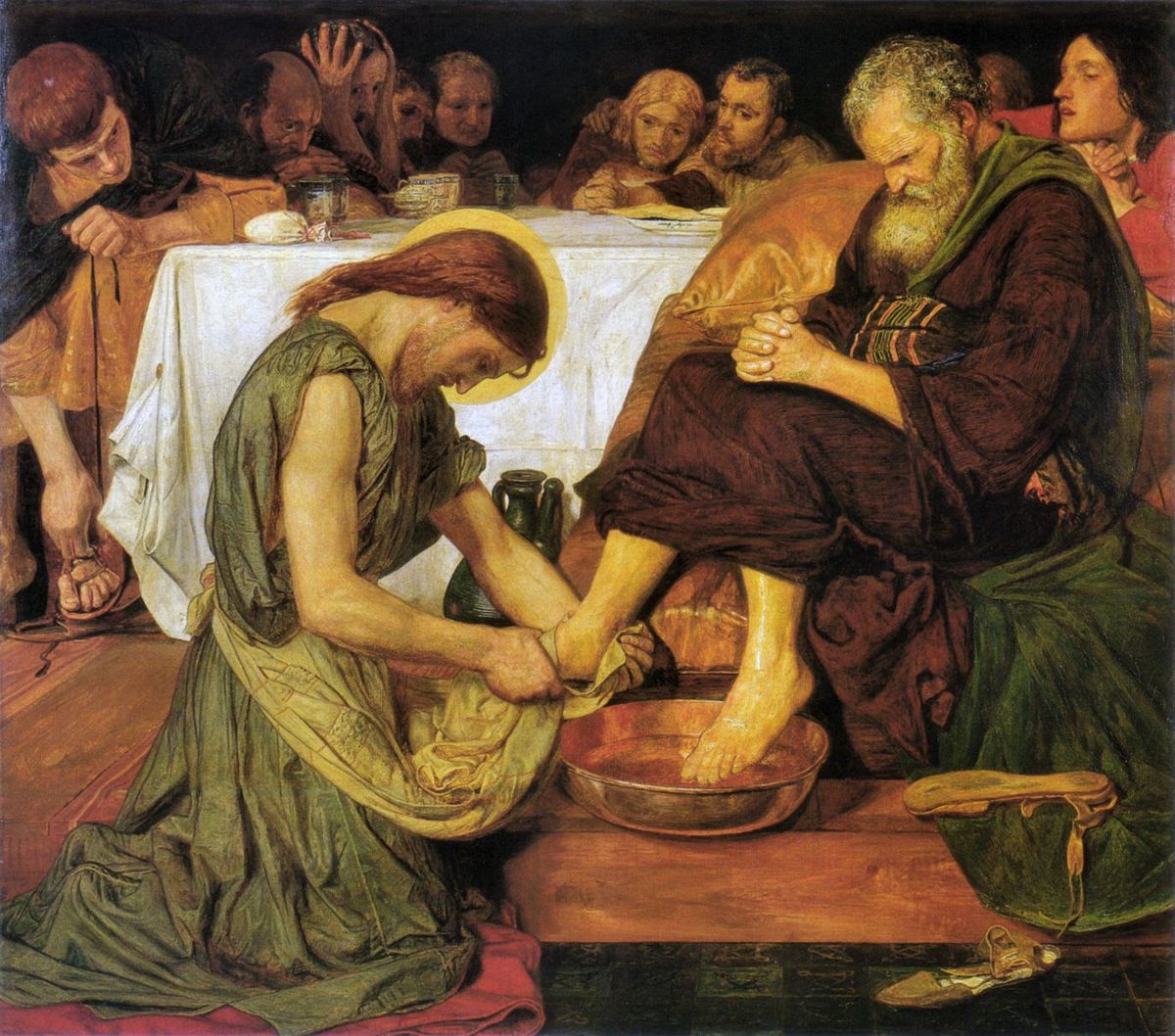
Philippians 2:5–8 is the densest description. Paul tells the church to have the mind that was in Christ Jesus, and then says what that mind did: He did not grasp at equality with God, He emptied Himself, He took the form of a servant, He humbled Himself, He obeyed to the point of death. Every verb moves downward.
That is the shape of the likeness — not primarily serenity or wisdom or moral achievement, but a specific direction of travel. Downward, toward the lowest place, on purpose. Almost everything that passes for spiritual ambition moves the other way.
Galatians 5:22–23 gives the other half: love, joy, peace, patience, kindness, goodness, faithfulness, gentleness, self-control. Paul calls these fruit, not works — grown rather than manufactured. You can tell a great deal about someone’s formation by which items on that list have gone missing under pressure.
It is imitation, and it is transformation
1 John 2:6 puts the responsibility squarely on us: whoever claims to abide in Him “must walk as Jesus walked.” That is imitation, and it is deliberate. You look at what He did and you do that.
But 2 Corinthians 3:18 describes the same process from the other side: “we, who with unveiled faces all reflect the glory of the Lord, are being transformed into His image with intensifying glory.” (The word rendered “reflect” can also mean to behold, as in a mirror, and many translations take it that way.) That is passive — something being done to you while you look. Both are true at once. You imitate, and you are changed; and the changing is not chiefly your achievement.
The practical consequence is that attention matters as much as effort. What you spend your time looking at is doing something to you, in one direction or another, whether or not you intend it.
Three honest tests
If you want something concrete enough to actually check:
- What happens when you are wronged? This is where the likeness shows most reliably, because it is where pretending is hardest.
- Where do you sit when you get to choose? Philippians 2 is about direction of travel. Given a free choice of position, which way do you move?
- Which fruit is missing when you are tired? Not at your best — at your worst. That is the more accurate reading.
One thing it does not mean
It does not mean a single personality. The apostles remained recognisably themselves; Peter did not become John. The likeness is not a flattening. It shows up in Paul’s arguing and in John’s tenderness, in the same direction of travel and the same fruit, worn differently.
That is worth saying because a great deal of Christian formation advice quietly assumes one temperament is holier than another. It is not. What you are being conformed to is a person, not a personality type — and the family resemblance is real without the family being identical.
Scripture quotations are from the Berean Standard Bible, which is in the public domain.