
When it is said
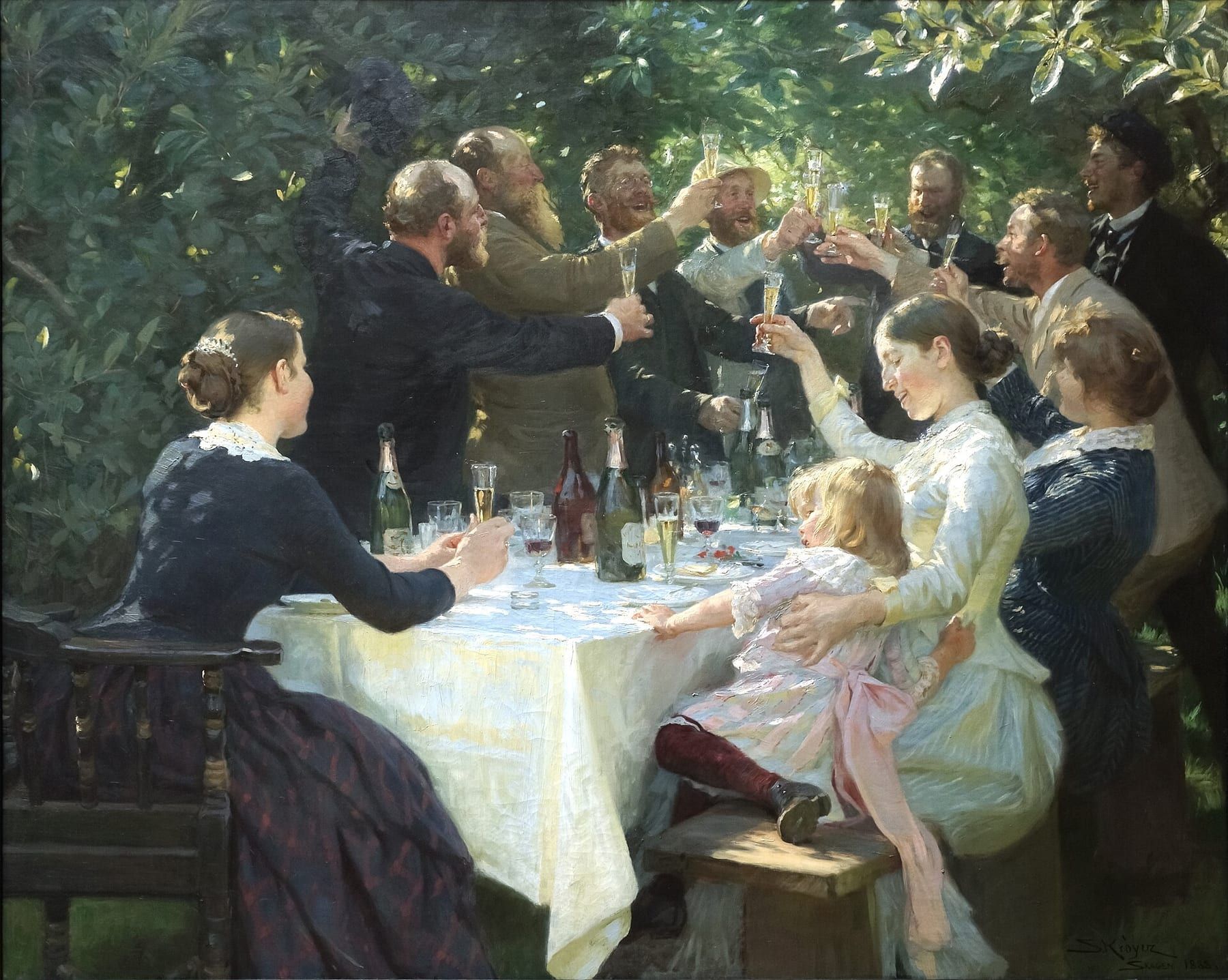
After the dismissal of a service of thanksgiving the deacon sings it for the person the service was held for. The choir answers “Many years” three times.
A Russian service book names birthdays among the days for a service of thanksgiving, so a birthday service ends with these words.
Russian parishes also sing it after the Liturgy and after a wedding. Christians sing it to one another at table too.
Where it comes from
No author known
Where does it come from?
The Many Years is thought to have begun at Constantinople, where the Church’s services honoured the emperor with a wish of long life. The oldest manuscript that sets it to music dates from the 1300s. Its oldest form is a single cry of “Many years” in the Royal Hours, a service of Christmas and of Theophany.
In other languages
Its Greek name is Polychronion, which means “many years”. In Russian churches the choir often greets a bishop in Greek with “Eis polla eti, despota”, or “Many years, master”. The translator Isabel Hapgood ended the preface of her 1906 English service book by wishing the friends who helped her “Many Years!” in the language of the Church.
Azbyka, “Многолетие”; Wikipedia, “Polychronion”; Isabel F. Hapgood, Service Book (1906), preface
What the words mean
Is it right to wish for a long life?
A Christian hopes for the life to come, so some ask whether wishing someone many years here is worldly. A Russian Orthodox answer to that question points to the Bible, which counts long life among God’s blessings (Proverbs 9:10-11) and tells how Abraham died old and content (Genesis 25:8). So a wish for many years, it says, carries a wish for all God’s other blessings with it.
In Church Slavonic
Рабом Божиим (рабу Божию, рабе Божией) подаждь, Господи,
здравие и спасение и во всем благое поспешение,
и сохрани их (его, сию) на многая лета.
Многая лета.