
When it is said
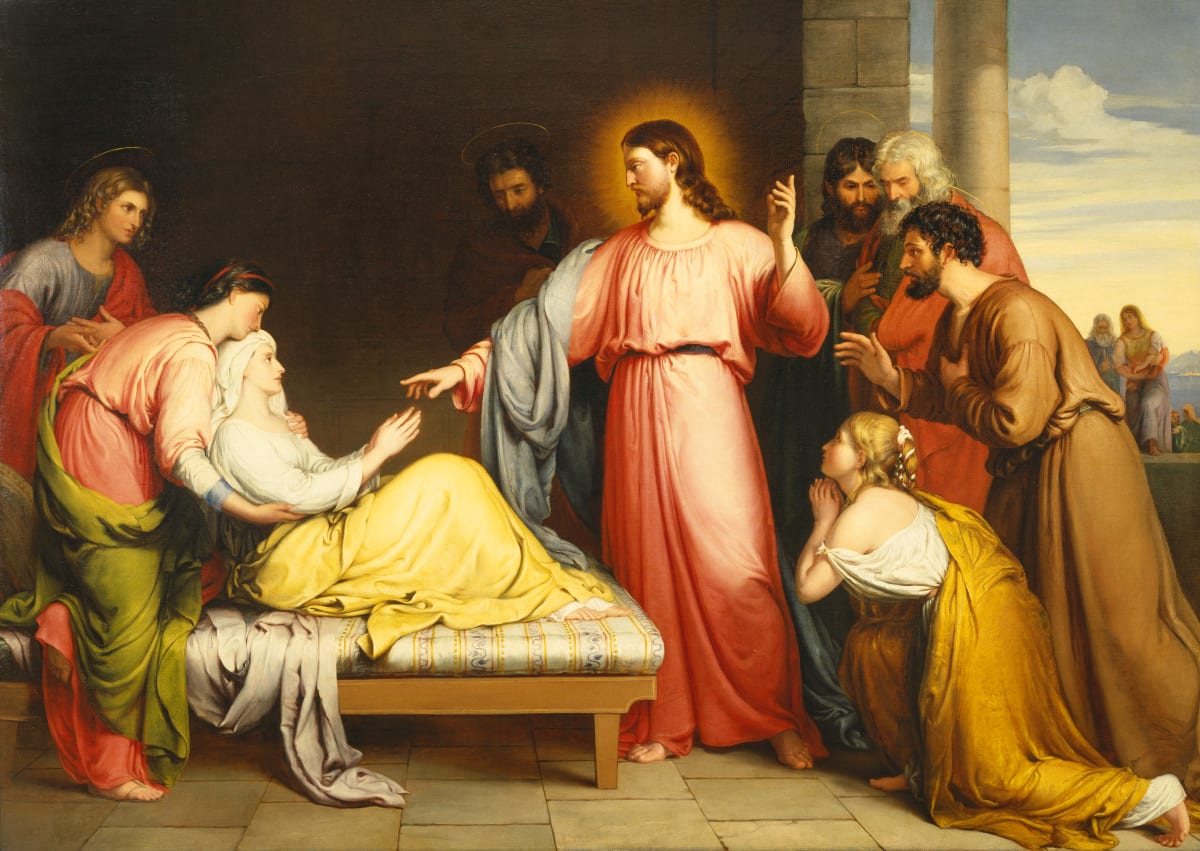
In the Gelasian Sacramentary the priest says it over the bread and wine at a Mass for the sick. That is why it asks God to receive offerings as well as prayers.
Its words fit anyone waiting for news of someone who is ill, such as a family outside an operating room or parents beside a sick child.
Where it comes from
No author known
From a service book of about AD 750
It comes from the Gelasian Sacramentary, the second oldest book of Latin Mass prayers to survive. Its one copy was made near Paris about AD 750, and most of it is now in the Vatican Library. The Roman prayers at its core are older, from between AD 628 and 715.
The Cult of Saints in Late Antiquity, record E07005, University of Oxford; The Gelasian Sacramentary, ed. H. A. Wilson (1894)
Bright’s prayers for the sick
The Oxford scholar William Bright put it into English for his Ancient Collects, a book of old Latin prayers. In the edition of 1864 he set it among his prayers for the sick, beside other Gelasian prayers that ask God to restore the sick to health.
William Bright, Ancient Collects and Other Prayers (1864), For the Sick
In Latin
Deus, sub cuius nutibus vitae nostrae momenta decurrunt,
suscipe preces et hostias famulorum famularumque tuarum,
pro quibus misericordiam tuam aegrotantibus imploramus;
ut de quorum periculo metuimus,
de eorum salute laetemur.
Per.
From the Gelasian Sacramentary, ed. H. A. Wilson (Oxford, 1894), on archive.org.