Most people who want more patience want it for one of two reasons: someone keeps getting on their nerves, or something they are waiting for will not arrive. Scripture treats these as two halves of one virtue. James 5 shows both in a few lines: “See how the farmer awaits the precious fruit of the soil—how patient he is for the fall and spring rains” (James 5:7), and then, two verses later, “Do not complain about one another, brothers” (James 5:9). Waiting badly and treating people badly travel together.
Where it starts
Patience is first a description of God. When the LORD proclaims His own name to Moses, the words are “compassionate and gracious, slow to anger, abounding in loving devotion and faithfulness” (Exodus 34:6).
Paul reads his own life by that light. He calls himself the worst of sinners and says he was shown mercy so that in him “Christ Jesus might display His perfect patience as an example to those who would believe in Him” (1 Timothy 1:16). His starting point is not that he ought to be patient. It is that someone has been patient with him.
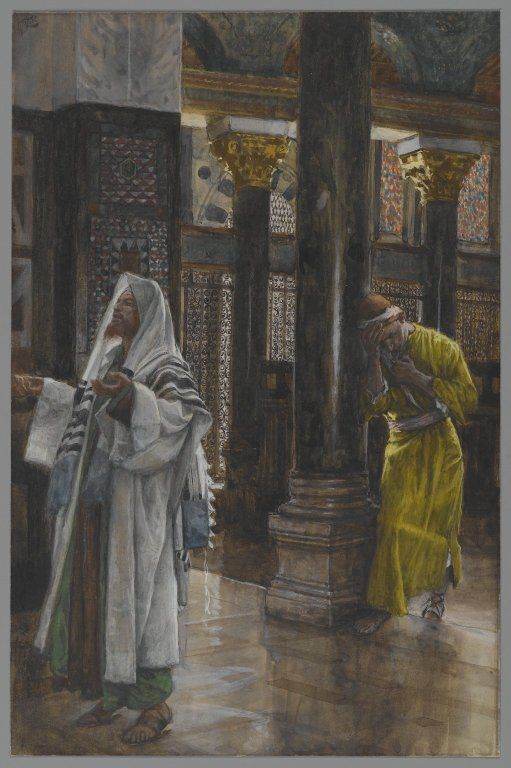
Jesus makes the same point with a story. A servant who owes ten thousand talents, more than he can pay, falls on his knees: “Have patience with me” (Matthew 18:26). His master forgives the debt. The servant then goes out, finds a man who owes him a hundred denarii, and hears the same plea, “Have patience with me” (Matthew 18:29). He refuses. He does not recognise his own words in somebody else’s mouth.
It is fruit, and it is clothing
Galatians 5:22 lists patience among the fruit of the Spirit, which is grown and not manufactured. Colossians 3:12 tells the church to “clothe yourselves with hearts of compassion, kindness, humility, gentleness, and patience,” which is something you do on purpose. Christian traditions explain how God’s work and human effort fit together in different terms, but none of them says this fruit grows without the Spirit, and none says you are excused from getting dressed.
Four practices
Count what you were shown before you count what you are owed. This is the Matthew 18 exercise. Before the difficult meeting, name one specific instance in which God, or another person, put up with you. The servant’s trouble was not a bad temper. It was a short memory.
Slow the first ten seconds. James is exact about the order: “quick to listen, slow to speak, and slow to anger” (James 1:19). Proverbs says that one who is slow to anger “is better than a warrior” and that controlling your temper is greater than capturing a city (Proverbs 16:32). That is an honest estimate of the difficulty, and the contest is short. Let the other person finish the sentence. Do not answer the message while you are still warm.
Overlook something on purpose. “A man’s insight gives him patience, and his virtue is to overlook an offense” (Proverbs 19:11). Love, Paul says, “keeps no account of wrongs” (1 Corinthians 13:5). Some things need to be raised. A great many do not. Pick one recurring irritation this week and let it pass without comment, without sighing, and without bringing it up later.
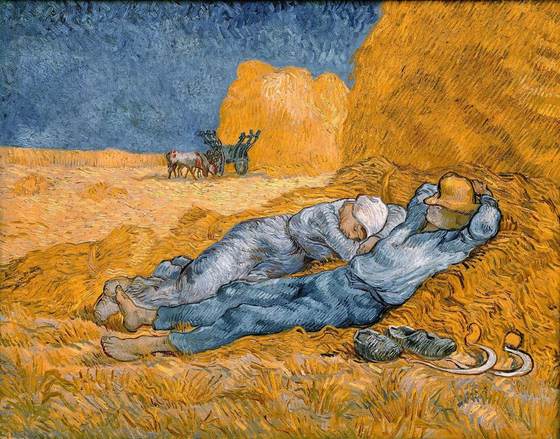
Wait like a farmer. James is writing to people waiting for the Lord’s coming, and the picture he gives them is a man who has done his work and cannot make it rain. His instruction for the meantime is to “be patient and strengthen your hearts” (James 5:8). When you are waiting on something, sort it into two lists: what is yours to do today, and what was never yours to control. Do the first list. Pray the second.
What patience is not
It is not silence. James holds up Job as the example of perseverance (James 5:11), and Job is the man who “opened his mouth and cursed the day of his birth” (Job 3:1) and said, “I will complain in the bitterness of my soul” (Job 7:11). Psalm 13 asks “How long” four times in its first two verses, beginning “How long, O LORD?” (Psalm 13:1). Biblical patience stays put and keeps talking to God, sometimes loudly.
Nor is it a duty to absorb harm. Overlooking an offence is one thing. Remaining in danger is another, and no verse above asks that of anyone.
Where this connects
The old list of capital vices names wrath, and the writers above keep setting patience against anger. Ecclesiastes points at a second root: “a patient spirit is better than a proud one” (Ecclesiastes 7:8). Impatience often assumes that my time matters more than yours. If you want to see which of the seven has the most pull on you, that quiz is the natural next step.