
When it is said
In every Orthodox service a deacon or priest leads litanies, chains of short petitions. The people answer each one “Lord, have mercy”.
It is said three times in the opening prayers of a service, 12 times near the start of Matins, the morning service, and 40 times in each of the Hours, the short services through the day.
Where it comes from
No author known
A cry from the Gospels
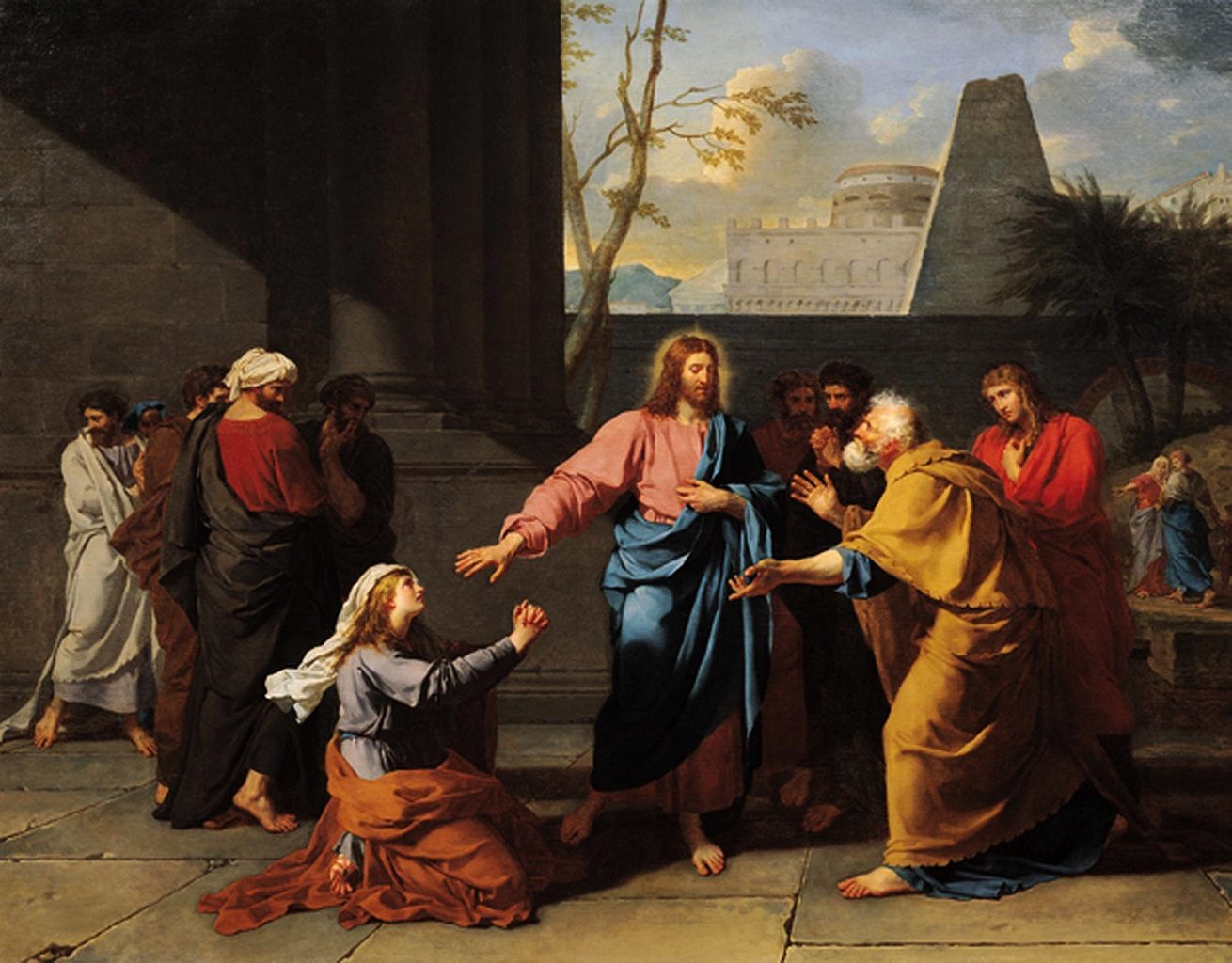
In the Gospels, two blind men, a Canaanite mother and ten lepers all cried out to Jesus for mercy. The Greek Old Testament uses the same words in the Psalms. The Church’s cry is theirs, made shorter: “have mercy on me” and “have mercy on us” became “Lord, have mercy”.
Heard in Jerusalem in the 300s
A woman named Etheria described the services she saw in Jerusalem in the 4th century. As the deacon read out names, boys stood and answered each one “Kyrie eleison”. The words were strange to her, so she gave them in her own Latin: “Miserere Domine”, “Lord, have mercy”.
Greek words in the Latin Mass
The Latin Mass of the West took the Greek words, Kyrie eleison, into its own prayers and kept them. Pope Gregory the Great, about the year 600, wrote that the Greeks all say it together, while in Rome the clergy say it and the people answer. Rome also adds “Christe eleison”, “Christ, have mercy”, which the Greeks do not say.
What the words mean
Older than the Church
“Kyrie eleison” is Greek for “Lord, have mercy”. The words are older than the Church. The Greek Psalms use them, and so did people outside it: the Greek writer Arrian, in the 100s, records the saying “Invoking God we say Kyrie eleison.”
The Scripture in it
And there were two blind men sitting beside the road. When they heard that Jesus was passing by, they cried out, “Lord, Son of David, have mercy on us!”
And a Canaanite woman from that region came to Him, crying out, “Lord, Son of David, have mercy on me! My daughter is miserably possessed by a demon.”
… and raised their voices, shouting, “Jesus, Master, have mercy on us!”
Be merciful to me, O LORD, for I am frail; heal me, O LORD, for my bones are in agony.
Bible text: Berean Standard Bible, public domain.
In Greek
Κύριε, ἐλέησον.