
When it is said
It is not part of any Orthodox service today.
A mother or father might say it for their children at any time. It takes a few seconds.
Where it comes from
Author known
A city praying for her children
These words come from a hymn St Ephrem wrote at Nisibis, a city in Mesopotamia where he lived through three sieges by the Persian king Shapur. In the hymn the city herself speaks to God. She asks for peace “in all my streets for all my offspring”, and her people are her lambs and her little ones.
St Ephrem, Nisibene Hymns, tr. J. T. Sarsfield Stopford (1898)
Written in a time of war
The scholar Gustav Bickell dates this hymn to April of AD 359, when word reached Nisibis that Shapur was coming to invade Mesopotamia with a huge army. Bickell reads it as made for a day when the whole city, her little children too, prayed for an end to the war. One verse begs God to accept the cry of her little ones, “that are altogether pure.”
Gustav Bickell, S. Ephraemi Syri Carmina Nisibena (1866); St Ephrem, Nisibene Hymns, tr. J. T. Sarsfield Stopford (1898)
What the words mean
“Remember Your childhood”
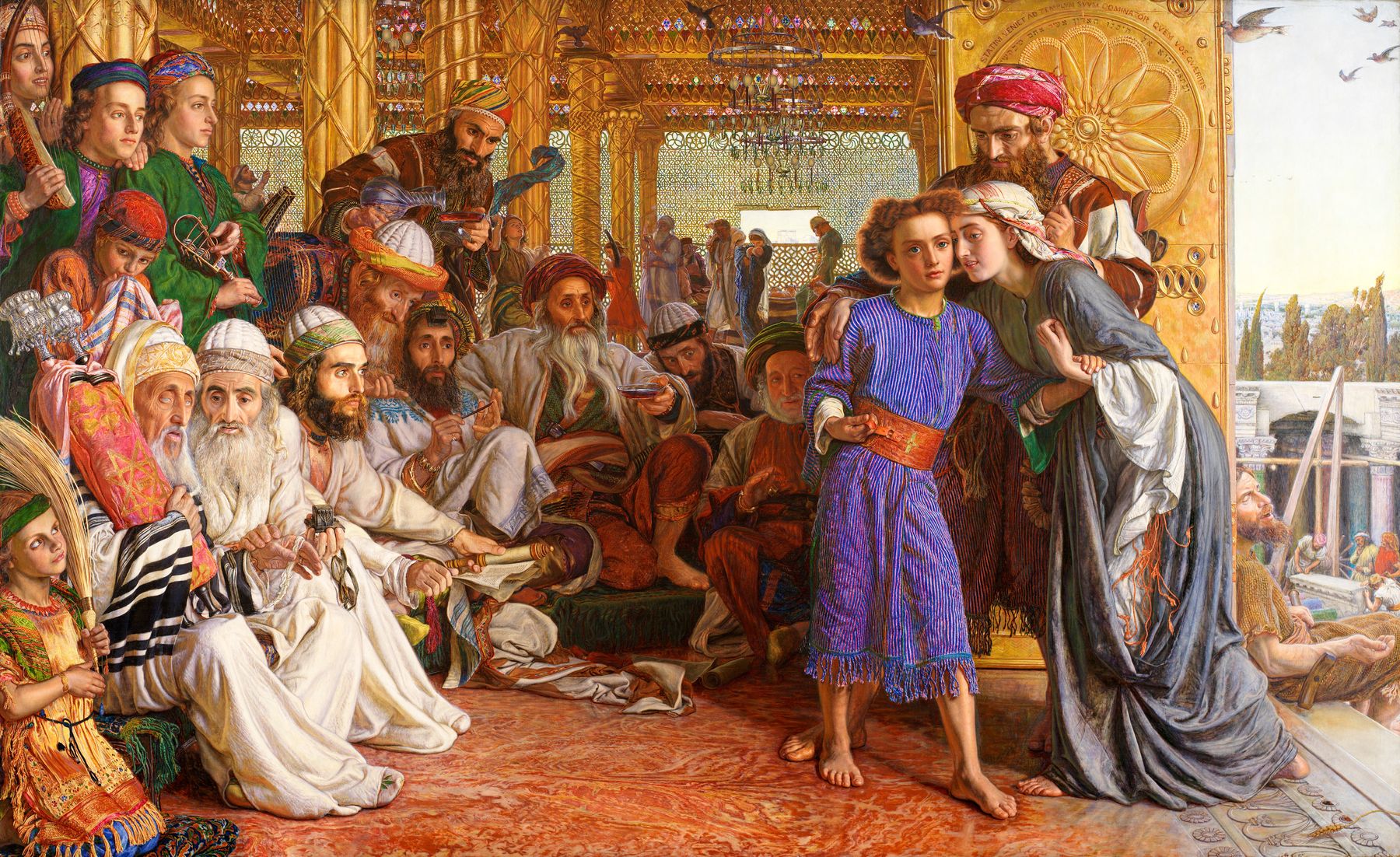
Two verses earlier the hymn remembers the day the Babe came down into the stall and the angels proclaimed peace. It says this Babe, the Son of Mary, gave peace on every side. Then the city turns to her own children. Christ was once a child as they are, so she asks Him to see His own childhood in them and to save them by His grace.
St Ephrem, Nisibene Hymns, tr. J. T. Sarsfield Stopford (1898)