What it means
In Paul’s Greek, “is kind” is a single verb. Love does not only feel kindly. It acts kindly. The word comes from a family that means good, useful and gentle all at once: the kind of goodness that makes someone’s load lighter. Jesus uses a word from the same family when He says, “My yoke is easy” (Matthew 11:30).
It is also a word for God. Jesus says the Most High “is kind to the ungrateful and wicked” (Luke 6:35). Paul says “God’s kindness leads you to repentance” (Romans 2:4). So Christian kindness is not a reward for people who have earned it. It is the way God treated us first, passed on.
Patience and kindness sit side by side for a reason. Patience is love holding back when someone tries you. Kindness is love reaching out. Each one goes wrong without the other. Patience alone can turn cold, and warmth alone can turn into people-pleasing.

How John Chrysostom read it
John Chrysostom saw that the lines of this chapter guard each other, and kindness is where he first shows it.
“He that is long-suffering is not of course also kind. But if he be not kind, the thing becomes a vice, and he is in danger of falling into malice. Therefore she supplies a medicine, I mean kindness, and preserves the virtue pure.”
John Chrysostom, Homily 33 on First Corinthians
“Not only by enduring nobly, but also by soothing and comforting, do they cure the sore and heal the wound of passion.”
John Chrysostom, Homily 33 on First Corinthians
“He that is not bitter is not necessarily kind, neither is he that is not wrathful necessarily tender-hearted; but there is need of a distinct effort, in order to acquire this excellence.”
John Chrysostom, Homily 16 on Ephesians
For Chrysostom, kindness is what keeps patience honest. A person can hold their temper and still be cold, and cold patience slides toward malice. Kindness goes further than not hurting. It soothes the angry person instead of stoking them.
He read Paul’s words as aimed at real trouble in Corinth. He took “is kind” as medicine for people who “stand mutually aloof, and bear a secret grudge”: the ones who are not fighting, and not speaking either. Elsewhere he makes the same point with a field. Pull up the thorns and leave the ground empty, and “it will again bear unprofitable weeds.” Not being unkind only clears the field. Kindness is what you plant in it.
What it looks like
- The new person at work or church is sitting alone, and you pull up a chair.
- A friend’s text sounds flat, and you call instead of sending a heart.
- Your brother snaps at you after a long shift, and you answer the tiredness, not the tone.
- You remember that a coworker’s mother had surgery, and a week later you ask how she is doing.
What missing it looks like
- “I’d have helped if they’d asked. They didn’t ask.”
- “I’m not unkind. I’m just not a warm person.”
- “I care about them. I just don’t do the touchy-feely stuff.”
- “I was going to bring something over, but I figured they had enough people helping.”

Learn from Martin of Tours
The soldier who gave half of what he had left.
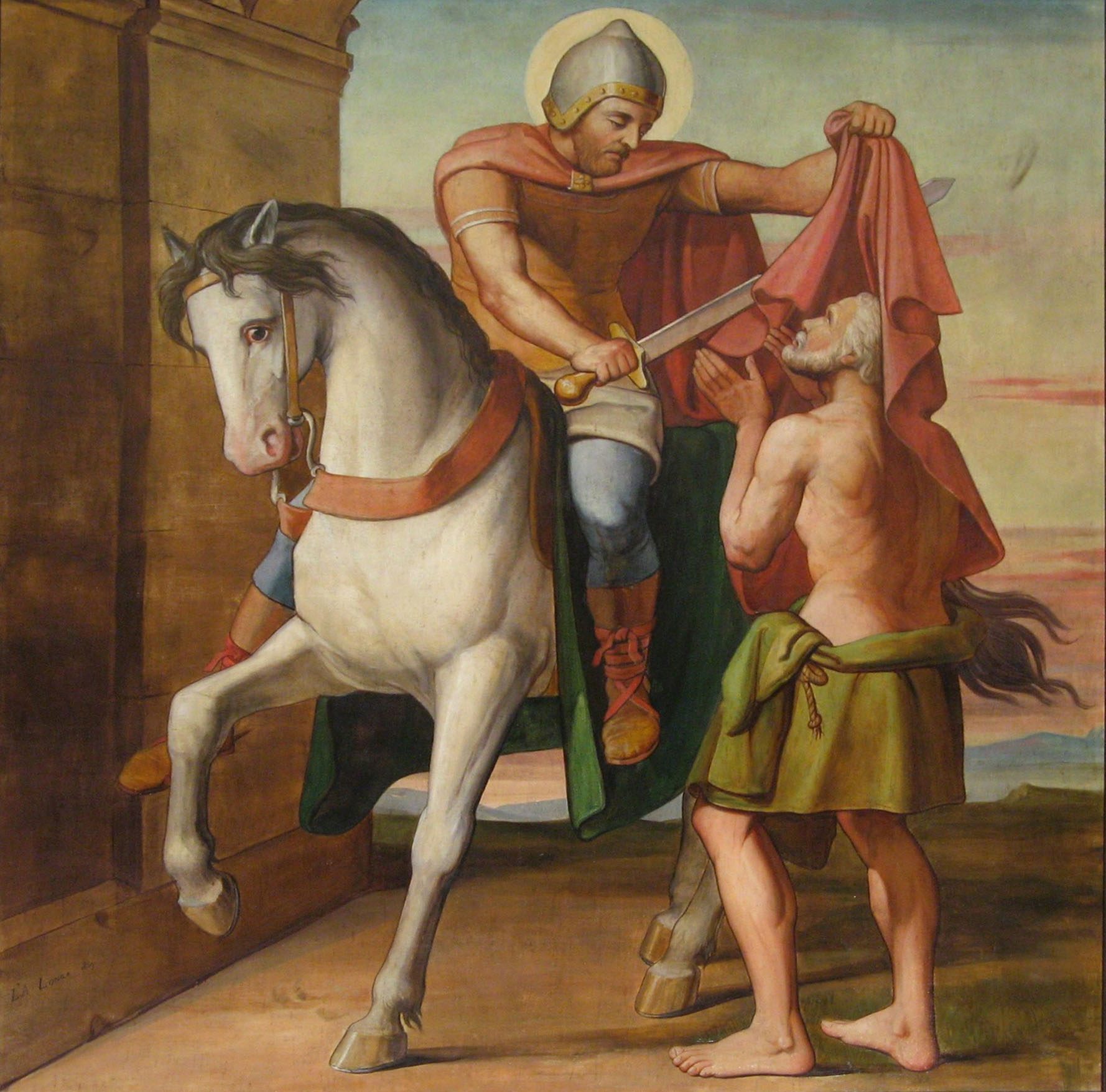
One freezing winter at the gate of Amiens, everyone walked past a beggar with no clothes. Martin cut his soldier’s cloak in two with his sword and gave him half. Sulpicius Severus, Life of St Martin
Kindness does not wait to be asked, or until it can give everything. Give the half you have.
Read about Martin of ToursOne step to try
Make the first move.
“Do not wait to be loved by another, but leap at it yourself, and be the first to begin it.” John Chrysostom, on Romans 12:10
Questions and answers
What does “love is kind” mean?
It means love actively does good to people. In Paul’s Greek it is a verb: love is not just warm inside, it acts. Kindness notices a need and meets it, answers sharpness gently, and makes someone’s load lighter. It is the way God treats people who have not earned it. He “is kind to the ungrateful and wicked” (Luke 6:35).
What is the difference between patient and kind?
Patience is what love does not do when someone tries you: it does not snap back. Kindness is what love does do: it reaches out with something good. Each needs the other. John Chrysostom warned that patience without kindness “becomes a vice”. And kindness without patience tends to run out the first time someone is ungrateful.
How can I be kind to someone I don’t like?
Start with an act, not a feeling. Paul made kindness a verb, so you can do it before you feel it. Pick one small good thing and do it this week. John Chrysostom was hopeful about where that leads: “whomsoever I may be desirous to make my friend, I can by means of kindliness accomplish it.”