
What it means
Read alone, “believes all things” can sound like gullibility, as if love should swallow every claim and every excuse. The Bible does not praise that. Proverbs says, “The simple man believes every word, but the prudent man watches his steps.”
Paul is talking about people. His word is the ordinary word for trust, the same verb the New Testament uses for believing in Christ. It sits among four lines about how love treats someone over time. Love trusts the person it loves. It takes them at their word about themselves. When a story about a friend reaches you, love believes the friend before it believes the story.
Love is not naive about the future. You can believe someone means it and still wait to see it. What love gives up is suspicion as a habit: reading every late reply, short answer and canceled plan as proof of something bad.

How John Chrysostom read it
John Chrysostom answers the worry that this line asks us to be naive: for him, it is about how we read the people we love.
“Believes all things. For it does not merely hope, says he, but also believes from its great affection.”
John Chrysostom, Homily 33 on First Corinthians
“Enmity gives a being to sins that do not exist, and all persons henceforth, are deemed worthy of credit who turn accusers”
John Chrysostom, Homily 20 on the Statues
For Chrysostom, trust is simply what affection does. Love believes the person it loves because it loves them, not because it has checked every fact. He also saw how the opposite works. Once there is bad feeling, we start to see faults that are not there, and every accuser suddenly sounds believable.
So believing all things is not about how much proof you need. It is about which way you lean when you don’t know. It also means refusing the slanderer. Preaching on marriage, Chrysostom said a husband should not “believe anything at random against the wife.” Love believes the person, and very little of the gossip about them.
What it looks like
- A friend says they forgot, and you take it that they forgot.
- Someone tells you what a friend supposedly said about you, and you ask your friend before you believe it.
- Someone close says a remark came out wrong, and you take them at their word instead of replaying it.
- Someone who was late last time promises their part by Friday, and you give them the chance to keep their word.
What missing it looks like
- “I’m not suspicious. I’m realistic.”
- “They say they’re sorry, but I know what they’re really like.”
- “Fool me once, shame on you. Fool me twice, shame on me.”
- “I didn’t say I believed it. I just didn’t say it wasn’t true.”
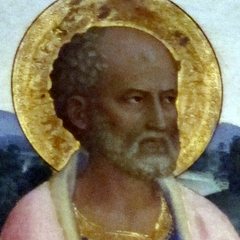
Learn from Barnabas
The one who believed Saul when no one else would.
When Saul, who had hunted the church, came to Jerusalem, the disciples “were all afraid of him, not believing that he was a disciple.” Barnabas vouched for him and brought him to the apostles. Acts 9:26-27
Everyone else remembered who Saul had been. Barnabas believed who he had become.
Read about BarnabasOne step to try
Name one innocent reason before you judge.
Love, says Chrysostom, “does not even suspect it of the beloved.” John Chrysostom
Questions and answers
What does it mean that love “believes all things”?
It means love trusts the people it loves. It takes them at their word, gives them the benefit of the doubt, and does not assume the worst when it doesn’t know. It does not mean believing every claim you hear. Proverbs warns that “the simple man believes every word.” The line is about people, not rumors.
Do I have to keep trusting someone who keeps lying to me?
No. Love never asks you to stay where you are being harmed, or to keep handing over a trust someone keeps breaking. Broken trust can be rebuilt slowly, and it is wise to let actions lead. You can believe the best about someone’s heart and still wait to see change. John Chrysostom said the true lover is the one “who seeks what is profitable to the beloved.” Going along with lies helps no one.
Why does the NIV say ‘always trusts’?
Paul’s verb is the ordinary Greek word for believing or trusting. The King James says ‘believeth all things’, the NIV ‘always trusts’, and the NLT ‘never loses faith’. They mean the same thing. Love keeps its trust in a person, and it does not give up on them easily.