What it means
Paul’s word here means to behave in a way that is out of place: coarse, shameless, beneath the respect we owe the people around us. The King James wording is “Doth not behave itself unseemly”. Newer Bibles say love is not rude, or that it ‘does not dishonor others’ (NIV) or ‘does not act disgracefully’ (NASB). So this line is wider than table manners. It covers anything that tells a person they are not worth your courtesy.
Most rudeness is small. It is the phone that comes out while someone is talking, or the joke made at someone’s expense. It is the tone you would use with a waiter but never with your boss. It is often worst at home, where we feel we have nothing to prove.
Paul’s letter to the Corinthians gives a picture of dishonoring others. When the church at Corinth shared a meal, some went ahead with their own food while others went hungry. Paul asked them, “Or do you despise the church of God and humiliate those who have nothing?” Love will not do that to anyone, least of all to the people who have the least.

How John Chrysostom read it
John Chrysostom, the great preacher of the early Church, read this line in a way few people hear today, and it goes deeper than manners.
“For love knows not what sort of thing shame may be. Therefore it glories in those things for which another hides his face. Since the shame is, not to know how to love; not, when you love, to incur danger and endure all for the beloved.”
John Chrysostom, Homily 33 on First Corinthians
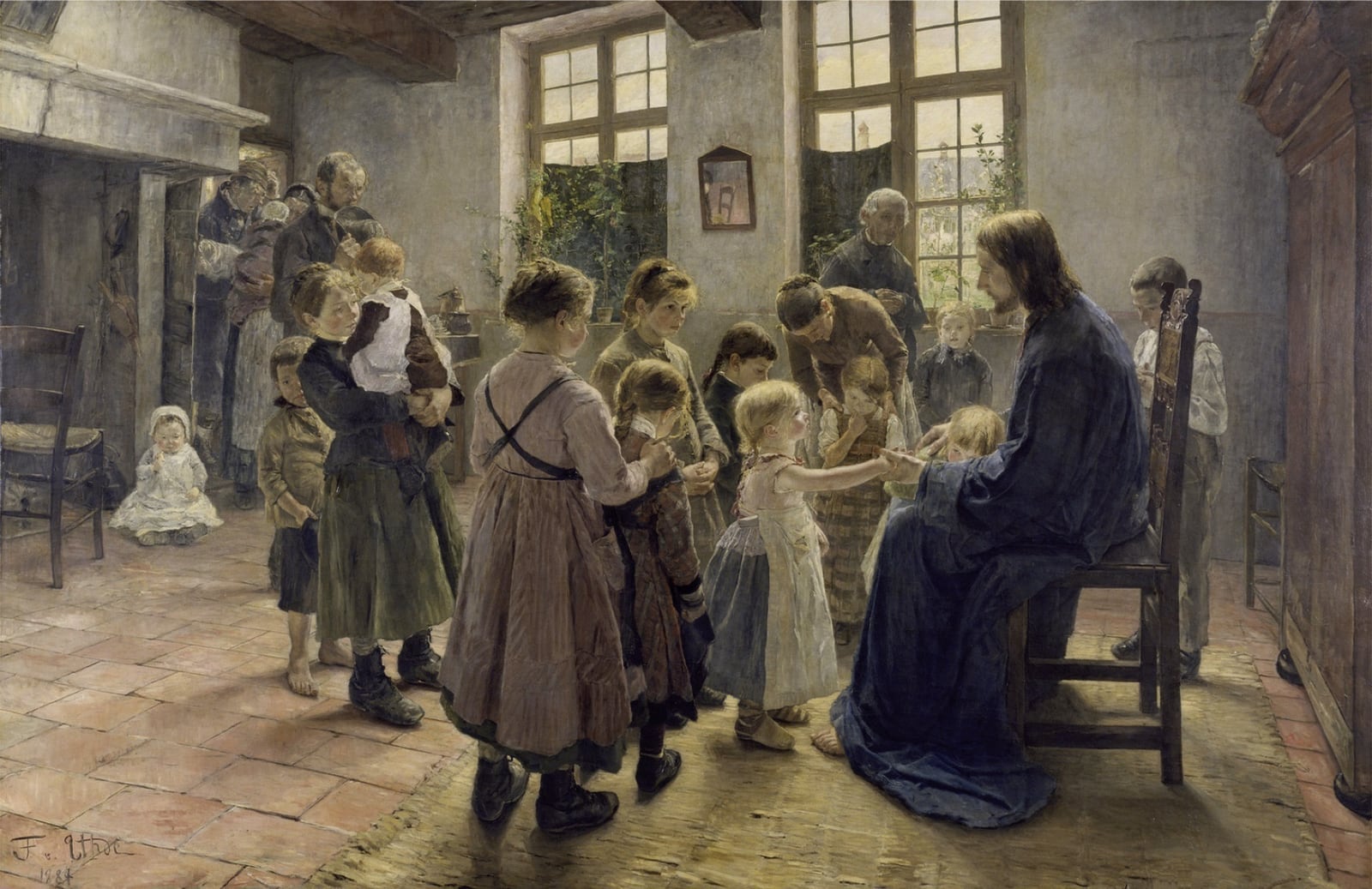
“Therefore also fathers, though they be the first of philosophers and orators, are not ashamed to lisp with their children”
John Chrysostom, Homily 33 on First Corinthians
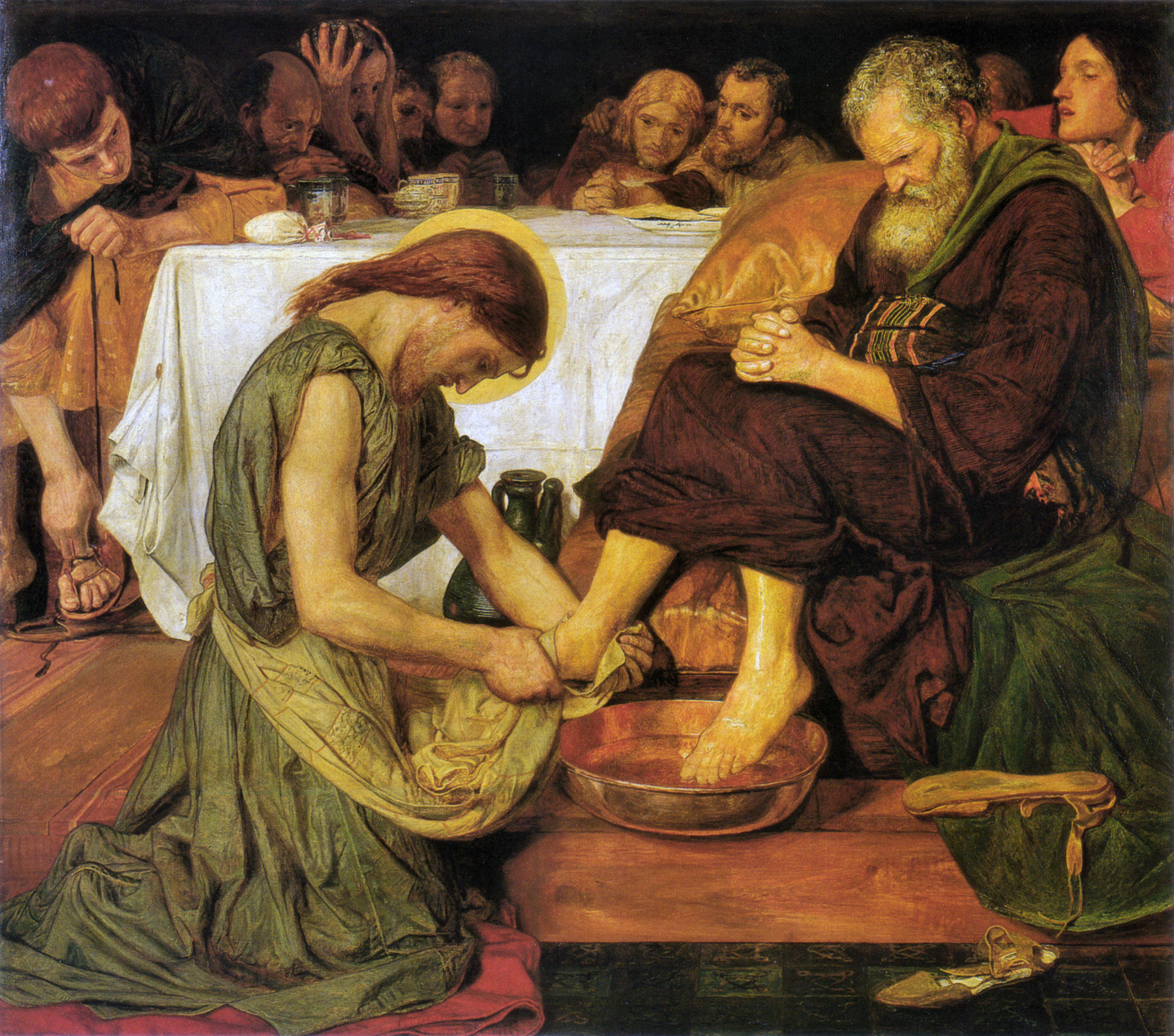
Chrysostom’s Bible said love “does not behave itself unseemly”, and he noticed what Paul left out. Paul did not say love bears the embarrassment bravely. Love “does not even entertain any sense at all of the shame.” Jesus let a woman known in her town as a sinner weep over His feet before a table of critics, and did not count it a disgrace.
When King Saul sneered that his son Jonathan had chosen David, a hunted fugitive, “to your own shame”, Jonathan still went out to meet David and wept with him. So the opposite of this line is being too proud to be seen with the people who need you. Chrysostom read Paul’s lines as medicines for troubles in the church at Corinth. This one was for those who “do not think it their duty to condescend”, in the old sense of that word: to come down to someone’s level.
What it looks like
- You put your phone face down when a friend starts telling you something that matters to them, even when it runs long.
- You talk to the person at the register the way you would talk to your boss.
- You sing the silly song with your toddler in the checkout line and don’t care who hears.
- When a friend makes a fool of themselves at a party, you are the one who stays with them and drives them home.
What missing it looks like
- “I’m just blunt. If they can’t take it, that’s on them.”
- “It’s family. They get the real me, not the polite version.”
- “I like him, but I’m not sitting with him in front of everyone.”
- “I was listening. I just had to answer this one text.”

Learn from Barnabas
The man who kept making room for others.
When everyone was afraid of Saul, the man who had hunted the church, “Barnabas brought him to the apostles.” Acts 9:27
Put your weight behind someone who needs it, and be glad when they go further than you.
Read about BarnabasOne step to try
If something needs saying, say it plainly and kindly, never as a dig.
“Do not needle your brother with veiled words, or you will get the same back from him and drive love out of you both. Go and speak to him openly, with love.” Maximus the Confessor, Chapters on Love
Questions and answers
What does ‘love is not rude’ mean?
It means love never acts in a way that tells someone they don’t matter. Paul’s word covers more than manners: anything coarse, shaming or dismissive, like talking down, mocking, or ignoring someone who is speaking to you. Older Bibles say love does not “behave itself unseemly”. John Chrysostom, the early Church’s great preacher, heard a second sense too: love is never ashamed to be seen with, or to stoop for, the people it loves.
What does ‘unseemly’ mean in 1 Corinthians 13:5?
Unseemly means improper or out of place: behavior that shames you or the people around you. The King James Version says charity “Doth not behave itself unseemly”. Modern Bibles say ‘is not rude’ or ‘does not act disgracefully’. A chapter earlier, Paul used a word from the same family for the body: “our unpresentable parts are treated with special modesty.” Love treats people that way. It covers what could shame them.
Is it rude to tell someone the truth?
No. Love “rejoices in the truth”. The rudeness is in how the truth is told. Paul’s rule is “speaking the truth in love”. John Chrysostom gave practical advice for correcting someone: “approach him with all possible mildness.” Bluntness that doesn’t care how the words land is usually pride dressed up as honesty.