
 Clement of Alexandria c. AD 150 to c. 215 · Alexandria
Clement strongly agrees:
“We must therefore rescue the gnostic and perfect man from all passion of the soul.”
Stromata
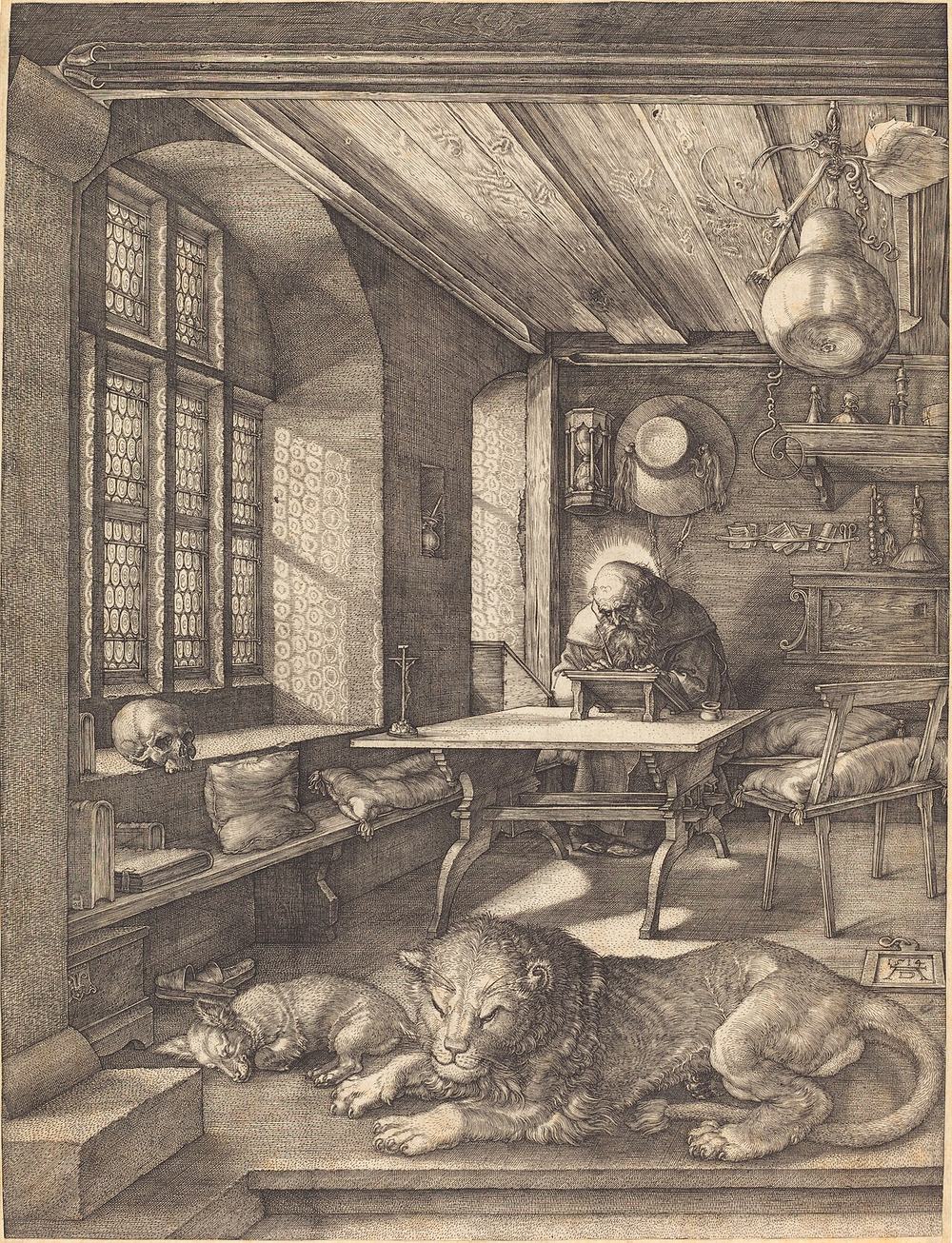
They did not agree. Clement of Alexandria, Anthony the Great and 3 others would say yes to the statement below. Lactantius, Jerome and Augustine of Hippo would say no.
The statement in the quiz
“The best way to live is free of strong emotions, with only a steady peace inside.”
The quiz puts it in today’s words. Each person below is placed by what they wrote or said. Where their line is clear on its own, it is printed with its source.
You said:
From your result on . See your result
5 early Christians
Your side
Clement of Alexandria c. AD 150 to c. 215 · Alexandria Clement strongly agrees:
“We must therefore rescue the gnostic and perfect man from all passion of the soul.”
Stromata
 Anthony the Great c. AD 251 to 356 · The Egyptian desert
Anthony strongly agrees:
“He was not troubled when he beheld the crowd, nor overjoyed at being saluted by so many. But he was altogether even as being guided by reason, and abiding in a natural state.”
Life of Antony, as Athanasius recorded his words
 Martin of Tours c. AD 316 to 397 · Gaul, today’s France
Martin strongly agrees:
“No one ever saw him enraged, or excited, or lamenting, or laughing; he was always one and the same: displaying a kind of heavenly happiness in his countenance, he seemed to have passed the ordinary limits of human nature.”
Life of St Martin, as Sulpicius Severus, who knew him, recorded it
 Macrina the Younger c. AD 327 to 379 · Cappadocia
Macrina agrees:
“It will therefore be no detriment to our participation in the Good, that the soul should be free from such emotions.”
On the Soul and the Resurrection, as her brother Gregory recorded her words
 John Cassian c. AD 360 to c. 435 · Egypt, then Marseilles
Cassian agrees:
“For patience would not be worthy of praise and admiration if it only preserved its purposed tranquillity when attacked by no darts of enemies, but it is grand and glorious because when the storms of temptation beat upon it, it remains unmoved.”
Conferences
3 early Christians
Your side
 Lactantius c. AD 250 to c. 325 · Nicomedia and Gaul
Lactantius strongly disagrees:
“For as water which is always still and motionless is unwholesome and more muddy, so the soul which is unmoved and torpid is useless even to itself.”
Divine Institutes
 Jerome c. AD 347 to 420 · Rome and Bethlehem
Jerome strongly disagrees:
“A state in which the mind ceases to be agitated and — to speak simply — becomes either a stone or a God.”
Letter to Ctesiphon
 Augustine of Hippo AD 354 to 430 · North Africa
Augustine strongly disagrees:
“And if that is to be called apathy, where the mind is the subject of no emotion, then who would not consider this insensibility to be worse than all vices?”
City of God
What they said
 Quiz Which early Christian thinks like you? And which would argue with you? See where you would stand on this and 22 more. Start