
Martha of Bethany
She welcomed Jesus into her home and worked while her sister listened. When her brother died, she went out to meet Him and called Him the Christ.
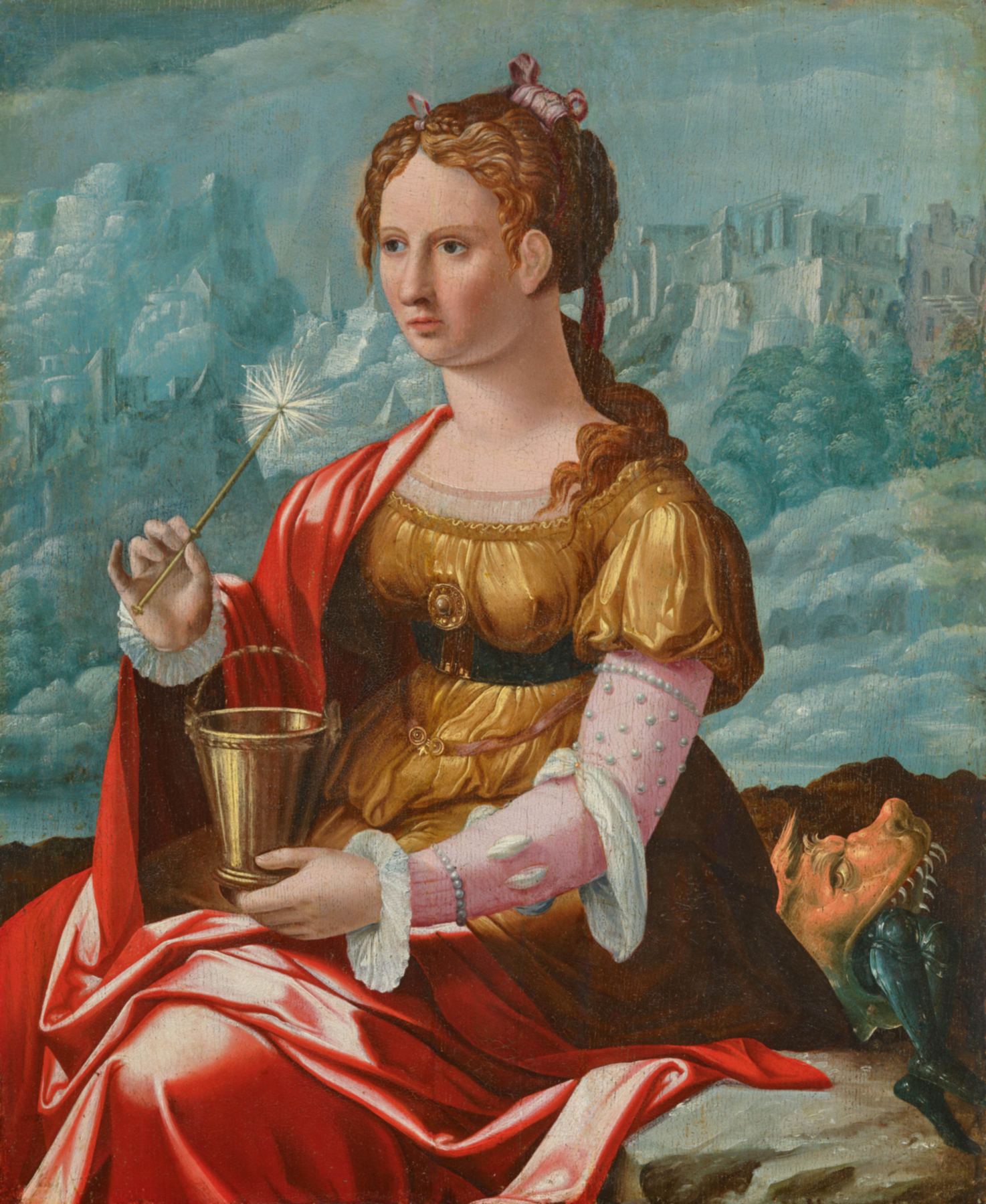
Picture: Saint Martha, Cornelis Buys, about 1528. Oil on wood. Public domain.
Who was Martha?
Martha lived at Bethany, near Jerusalem, with her sister Mary and her brother Lazarus. Jesus was their friend and their guest. Once, while Mary sat listening at His feet, Martha worked alone and complained. When Lazarus died, she went out to meet Jesus and called Him the Christ, the Son of God. Then He raised her brother.
at a glance
Her path, in order
- HostessShe welcomed Jesus into her home
- BelieverShe called Him the Christ, the Son of God
- WitnessShe saw her brother come out of the tomb
- ServantShe served Him supper six days before the Passover
in numbers
- Times Jesus said her name2
- “Martha, Martha”
- A token of love, says Augustine
- Days her brother lay in the tomb4
- By the time Jesus reached Bethany
- She told Jesus, “Lord, by now he stinks”
- Days before the Passover6
- She served Jesus supper
- The last thing the Bible tells of her
did you know?
-
John names her first: “Now Jesus loved Martha and her sister and Lazarus.” He does not even give her sister's name there.
John 11:5 -
The shortest verse in most English Bibles is in her story. On the way to her brother's tomb, “Jesus wept.”
John 11:35 -
In a medieval legend, Martha tamed a dragon at Tarascon, on the Rhône. The town still carries a model of it in procession. UNESCO lists it among the giants and dragons of Belgium and France, as living heritage.
UNESCO, Processional giants and dragons in Belgium and France
- In the Bible
- Only in Luke 10 and John 11 and 12. Matthew and Mark never name her.
- Home
- Bethany, a village less than two miles from Jerusalem. Luke says the house was hers. In His last week, Jesus went out to Bethany for the night.
- Her name
- Probably Aramaic, meaning mistress: the woman in charge of a house. It was in use in her day. A Nabataean inscription dated AD 5, found near Naples, has it.
- Family
- Her sister Mary and her brother Lazarus. Luke never mentions Lazarus. The Bible names no parents, no husband and no children.
- Also called
- Saint Martha. Righteous Martha, in the Orthodox Church, which counts her among the Myrrh-bearing Women, the women at Jesus' tomb. The hostess of our Lord, in medieval writing.
- Died
- The Bible does not say. A medieval legend puts her grave at Tarascon, in the south of France, and Rome's 1916 book of martyrs still places her there.
- In art
- Painters often give her the dragon of the Tarascon legend, with the holy water she threw on it, as at the top of this page. Others paint her busy in the kitchen while Mary listens.
 The Lookout
 Her personality type
Careful by nature, and at her best when there is something to do.
In Gregory the Great's terms
- Careful
- Restless mind
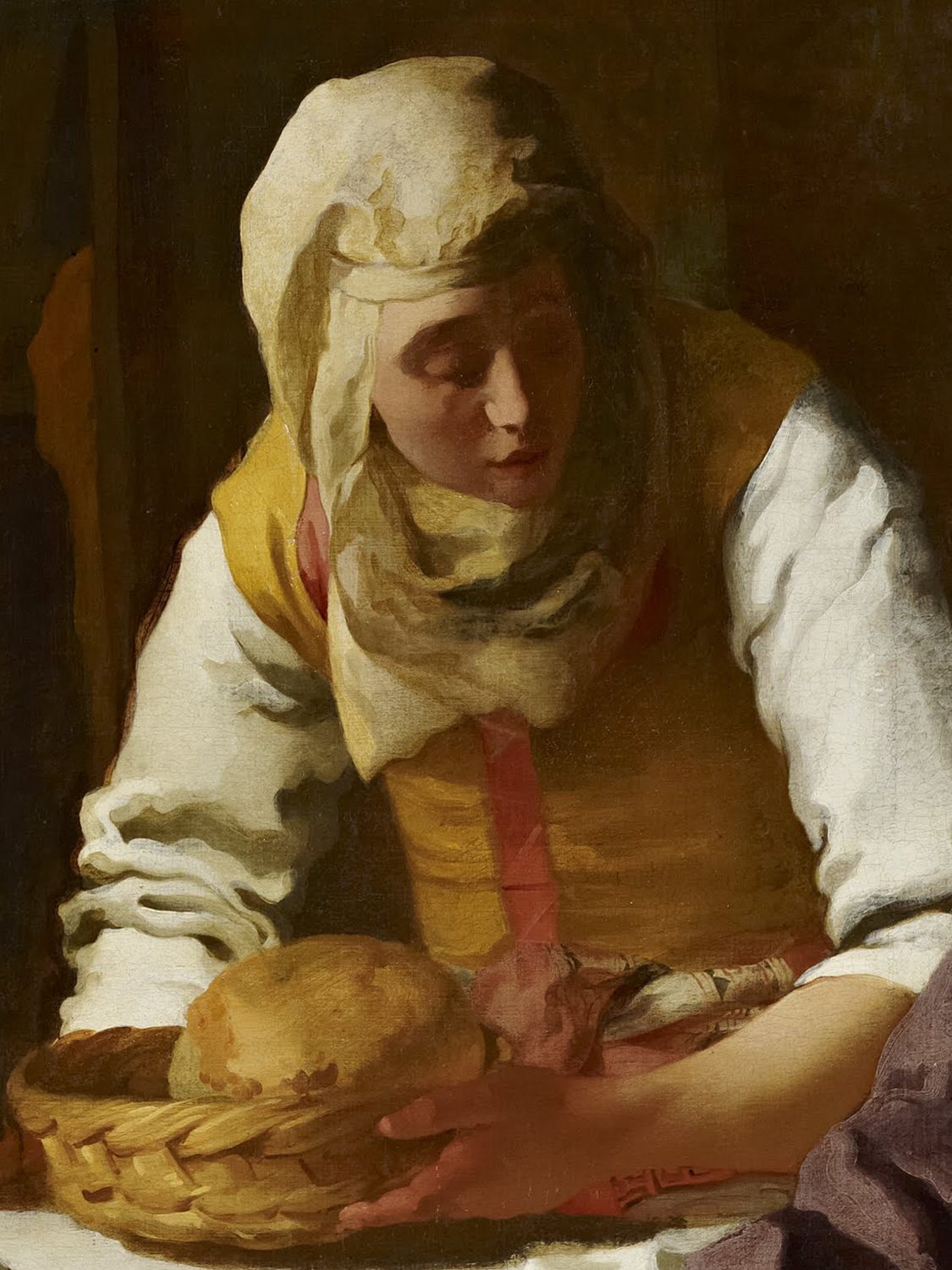
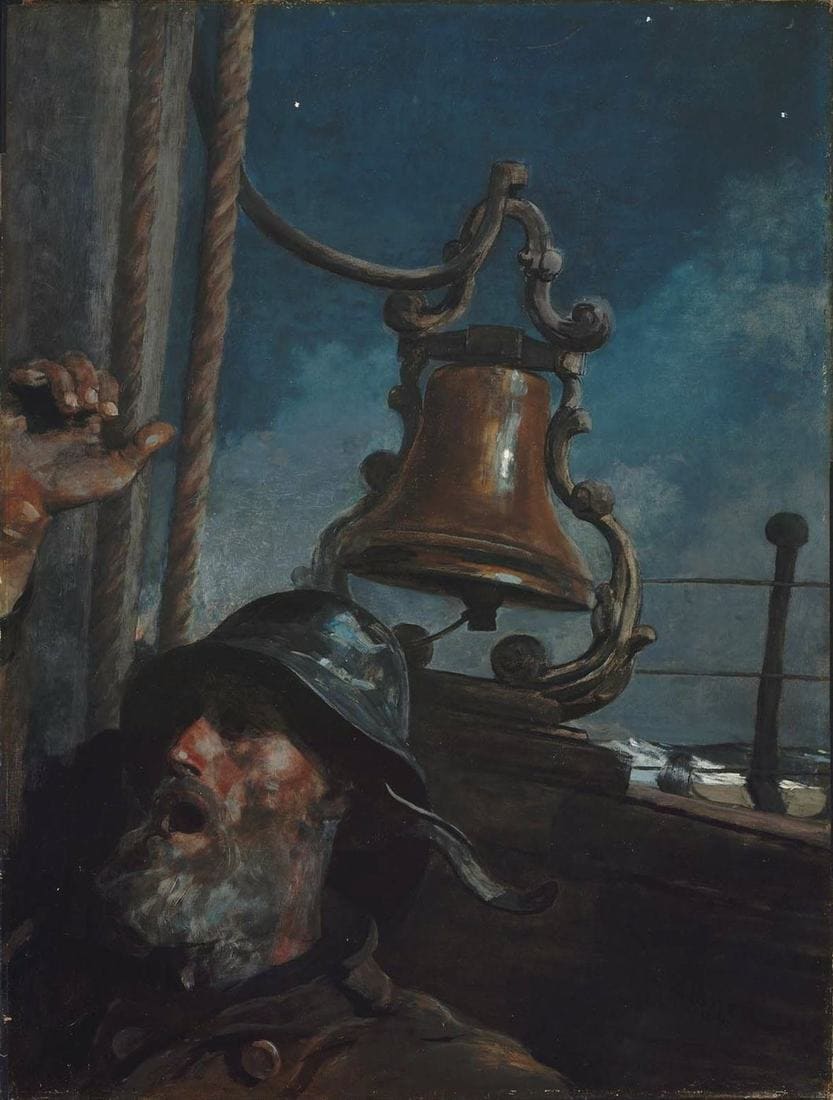
Our reading, from the Christian Personality Test. The test names her for that busy day at home, with her sister Mary as her opposite. Martha was busy with all the preparations while Mary sat at Jesus' feet. When their brother died, it was Martha who went out to meet Him.
See The Lookoutfeast days
East and West, side by side
West
- Jul29
Martha, Mary and Lazarus, a Catholic memorial since 2021. Before that, Rome kept Martha alone. The Church of England keeps Mary, Martha and Lazarus, Companions of Our Lord. The Episcopal Church keeps Mary and Martha of Bethany, and the Lutheran Church–Missouri Synod and the Evangelical Lutheran Church in America keep all three.
East
- Jun4
Righteous Martha and Mary, the sisters of Lazarus, for the Orthodox Church in America. The Orthodox honour them again on the Sunday of the Myrrh-bearing Women, two weeks after Pascha, the Orthodox Easter.
Why 29 July? The Franciscans put Martha's feast in their calendar in 1262, a week after Mary Magdalene's, and Rome took it up before 1300. For centuries the Latin Church took Martha's sister to be Mary Magdalene, so Martha was kept alone. In 2021 Pope Francis added Mary and Lazarus to her day. The Orthodox keep her day on 4 June. Churches on the old calendar keep it too, but their 4 June falls 13 days later.
what others said of her
Early Church Fathers and a medieval legend, in their own words.
Yet it was the handmaid received her Lord, the sick her Saviour, the creature her Creator.
The repetition of the name is a token of love, or perhaps of exciting attention
The woman seems to me not to understand the saying; she was conscious that it was some great thing, but did not perceive the whole meaning
For she thought that all the world was not sufficient to serve such a guest.
her life in five moments
A village
On the road with His disciples“Martha, Martha”
As Jesus travelled with His disciples, a woman named Martha “welcomed Him into her home.” Her sister Mary sat at the Lord's feet, listening. But Martha “was distracted by all the preparations to be made.” She came and asked Jesus to tell her sister to help her. “Martha, Martha,” the Lord replied, “you are worried and upset about many things. But only one thing is necessary. Mary has chosen the good portion, and it will not be taken away from her.”
Luke 10:38-42Bethany
Lazarus falls sick“The one You love is sick”
Lazarus, the brother of Martha and Mary, fell sick. They sent word to Jesus: “Lord, the one You love is sick.” He answered, “This sickness will not end in death.” John says that Jesus loved all three. Yet on hearing the news, “He stayed where He was for two days.” Then He told His disciples that Lazarus had died, and set out for Judea.
John 11:1-16The road into Bethany
Four days after the burialShe went out to meet Him
By the time Jesus came, Lazarus had been in the tomb four days. Bethany was “a little less than two miles” from Jerusalem, and many had come out to console Martha and Mary. “So when Martha heard that Jesus was coming, she went out to meet Him, but Mary stayed at home.” She told Him her brother would not have died if He had been there. “Your brother will rise again,” Jesus said. Then: “I am the resurrection and the life. Whoever believes in Me will live, even though he dies.” And He asked her, “Do you believe this?” Her answer is below, in her words.
John 11:17-27The tomb
The day Jesus reached Bethany“Lazarus, come out!”
Martha went home and quietly called her sister Mary, who ran to Jesus and fell at His feet. Seeing her weep, Jesus was deeply moved, and He wept. The tomb was a cave with a stone across the entrance. “Take away the stone,” Jesus said. Martha protested that after four days the body would smell. Jesus replied, “Did I not tell you that if you believed, you would see the glory of God?” They took away the stone. Jesus prayed aloud, then called in a loud voice, “Lazarus, come out!” The dead man came out, his hands and feet bound in strips of linen.
John 11:28-44Bethany
Six days before the PassoverMartha served
Six days before the Passover, Jesus came back to Bethany, and a dinner was given for Him there. “Martha served, and Lazarus was among those reclining at the table with Him.” Mary anointed Jesus' feet with costly perfume and wiped them with her hair, and the house was filled with its fragrance. Crowds came to see Lazarus, and many believed in Jesus because of him. So the chief priests made plans to kill Lazarus. Here the Bible's story of Martha ends.
John 12:1-11
her words
Martha wrote nothing. These are her words as Luke and John record them. Outside the section on where the Bible figure quiz places her, every Bible line on this page is from the Berean Standard Bible.
On the road into Bethany
Yes, Lord, I believe that You are the Christ, the Son of God, Who was to come into the world.
Her brother had been four days in the tomb. Jesus had just told her, “I am the resurrection and the life,” and asked, “Do you believe this?”
John 11:25-27Lord, do You not care that my sister has left me to serve alone? Tell her to help me!
Lord, if You had been here, my brother would not have died. But even now I know that God will give You whatever You ask of Him.
I know that he will rise again in the resurrection at the last day.
The Teacher is here and is asking for you.
Lord, by now he stinks. It has already been four days.
two sisters, two lives
From early on, Christians read the two sisters as two ways of life: Martha the busy life of serving, Mary the quiet life of prayer. Most ancient writers put Mary's part higher. None of them dismissed Martha's. Here each speaks for himself.
Augustine: both good
Both sisters were good, Augustine told his people, and both were loved. “In Martha was the image of things present, in Mary of things to come.” Serving will end in heaven, he says, for no one there will be hungry, or a stranger, or sick. So the Lord “did not blame Martha's work, but distinguished between their services.” Turning to Martha, he says, “You are still on the sea, she is already in port.”
“You have not chosen a bad part; but she a better.”Augustine, Sermon 104
Abba Moses: the one thing
In the Egyptian desert, the monk Abba Moses taught John Cassian that a monk's main aim is to cling to God. He took Martha and Mary as his example. Martha's work was holy. When she called for Mary's help, “certainly it was to no unworthy work, but to a praiseworthy service that she summoned her.” But the Lord put first the one thing Mary chose.
“You see then that the Lord makes the chief good consist in meditation; i.e., in divine contemplation”John Cassian, Conferences, Conference 1, chapter 8
Gregory the Great: great, and far better
Pope Gregory set the sisters beside Jacob's two wives. Leah, weak-eyed but fruitful, is the busy life. Rachel, beautiful but barren, is the quiet life. So the busy life bears more, he says, and the quiet life sees more. Of Martha and Mary he wrote:
“Now Martha's concern is not reproved, but that of Mary is even commended. For the merits of the active life are great, but of the contemplative, far better.”Gregory the Great, Morals on the Book of Job, Book 6, chapter 37
John Chrysostom: a time to listen
Chrysostom was preaching against Christians who used Jesus' words to Martha as an excuse to be idle. Paul worked with his hands, he reminded them. What Jesus said to Martha was not about work at all, but about timing:
“It is our duty to know the right season, and not to spend on carnal things the time proper for listening.”John Chrysostom, Homilies on John, Homily 44
Meister Eckhart: Martha ahead
Not everyone put Mary first. The medieval German mystic Meister Eckhart argued in a sermon that Martha was the more mature of the two. She no longer depended on religious feelings, and could get on with serving where she was needed. Mary, he thought, would get there too.
The Episcopal Church, Lesser Feasts and Fasts 2022, 29 July, on Eckhart's Sermon 86often misquoted
Jesus told Martha off for working.
What the sources sayHe did not tell her to stop. He said she was “worried and upset about many things,” and that Mary had chosen the good portion. The early Church Fathers agreed that her work was not the fault. “Martha's concern is not reproved,” wrote Gregory the Great. Their readings are in Two sisters, two lives, above. At a later supper in Bethany, John says simply, “Martha served.”
Luke 10:41-42; John 12:2; Gregory the Great, Morals on the Book of Job, Book 6Martha's sister Mary was Mary Magdalene.
What the sources sayThe Gospels never say so. John's Mary is Martha's sister at Bethany. Mary Magdalene is named for her town, Magdala. For centuries the Latin Church took the two to be one woman, and so Rome kept Martha's day alone. Its 1916 book of martyrs still calls Martha the “sister of blessed Mary Magdalen”. The Orthodox keep them apart: Mary Magdalene on 22 July, Martha and Mary on 4 June. In 2021 Rome added Mary and Lazarus to Martha's day. Its decree said the old uncertainty about Mary had been resolved.
John 11:1; the Roman Martyrology (1916), 29 July; Decree of the Congregation for Divine Worship, 26 January 2021Martha sailed to France and tamed a dragon.
What the sources sayThe Bible says nothing of her after she served Jesus supper at Bethany. The story is in the Golden Legend, a book of saints' lives compiled in the 1200s. Martha, Mary, Lazarus and others, it says, were “put into a ship without sail, oars, or rudder” and came to Marseilles. By the Rhône lived a dragon “greater than an ox, longer than an horse”. Martha found it eating a man. “She cast on him holy water, and showed to him the cross,” and bound it with her belt. The people killed it, and Tarascon took its name from it. The Orthodox tell a different later story: the sisters helped Lazarus preach the Gospel in other lands.
The Golden Legend, the Life of S. Martha, tr. William Caxton (1483); OCA, 4 Junefriends, family and rivals
Her sister, who sat at the Lord's feet while Martha served. Before His death she anointed His feet with costly perfume and wiped them with her hair.
Luke 10:39; John 12:3Their brother, whom Jesus called out of the tomb after four days. The chief priests, already plotting to kill Jesus, then made plans to kill Lazarus as well.
John 11:43-44, 53; 12:10Their guest and friend. John says plainly that He loved all three, and He wept on the way to Lazarus's tomb.
John 11:5, 35is she a saint?
Yes. The Catholic, Orthodox, Anglican and Lutheran churches all honour her, most of them together with her sister and brother.
- CatholicSaintA memorial with Mary and Lazarus, 29 July
- OrthodoxSaintRighteous Martha, 4 June
- AnglicanSaintWith Mary and Lazarus, 29 July
- LutheranSaintMissouri Synod and ELCA, 29 July
The Orthodox also count Martha and Mary among the Myrrh-bearing Women, the women at Jesus' tomb. The Gospels do not name the sisters among them.
Rome's book of martyrs, in its 1916 edition, gives her day like this:
At Tarascon, in France, St. Martha, virgin, the hostess of our Saviour, and sister of blessed Mary Magdalen and St. Lazarus.
what to read first
Luke 10:38-42
The Gospel of Luke
Five verses: the visit, the complaint, and “Martha, Martha”.
Read it freeJohn 11
The Gospel of John
Lazarus falls sick and dies. Martha meets Jesus on the road, and He calls her brother out of the tomb. One chapter.
Read it freeSermon 104, on Martha and Mary
Augustine of Hippo
A short sermon on the two sisters and the two lives, both good.
Read it freeThe Life of S. Martha
The Golden Legend, in Caxton's English
Her medieval legend: the voyage to Marseilles, the dragon of Tarascon, and her death. A lively tale, but a legend.
Read it freewhere the quiz places her
The record, drawn
Each arm is one axis; length is how far from the centre the recorded acts sit. An axis the text does not place Martha on has no arm.
In the quiz's own words
Says it, quick to move, more in front than alongside
The six axes
Your answers are marked. From your result on . See your result
In the hatched middle the quiz names neither pole.
The moments behind each axis
Each line is one recorded act and the reference it is taken from. The sentence says what the person did; where it is in quotation marks it is verbatim, from the translation named under it. An act listed here is evidence of how this person moved, not approval of it; read the passage for how it was received. On 1 of the six the text does not show this, and that axis is left out of the match rather than filled in.
Pace Acts first ↔ Weighs first
quick to move
-
John 11:20 toward Acts first
Hearing Jesus was coming she went out and met Him while her sister stayed in the house.
Voice Says it ↔ Holds it
says it
-
Luke 10:40 toward Says it
She took her complaint about her sister to Jesus.
-
John 11:39 toward Says it
At the tomb she said out loud what four days would have done to the body.
Lord, by this time there is a stench, for he has been dead four days.
World English Bible British Edition
-
John 11:28 toward Holds it
She went and called her sister secretly to say that the Teacher was there and was calling her.
Lead Out in front ↔ Alongside
more in front than alongside
-
Luke 10:38 toward Out in front
She was the one who received Him into the house.
Conflict Confronts ↔ Reconciles
quick to confront
-
Luke 10:40 toward Confronts
She asked Jesus to tell her sister to come and help her.
-
John 11:21 toward Confronts
When He arrived she told Him that if He had been there her brother would not have died.
Lord, if You had been here, my brother would not have died.
Berean Standard Bible
Reasons Asks why ↔ Takes it on trust
quick to question
-
John 11:39 toward Asks why
Told to take away the stone, she objected first that he had been dead four days.
Plans Plans ahead ↔ Meets the day
not shown in the text
The text does not show this. Nothing in the record puts Martha at either end of this axis, so it is left out when a reader is matched, rather than counted as a position in the middle.
-
No record
The text does not show this.
Nearest on the map
Distance between two sets of coordinates across every axis, on the same scale a reader's answers are measured on. No number is shown against a person, and nearness is not likeness: two people can land in the same band for different reasons.
Suggest a correction. Corrections that are applied are recorded in the public changelog.
 Quiz Who in the Bible are you most like? Answer eighteen plain statements about you, none of them about the Bible, and see how near you land to Martha. Start
  Quiz Christian Personality Test Martha reads as The Lookout. Find your own type. Start
 people like her
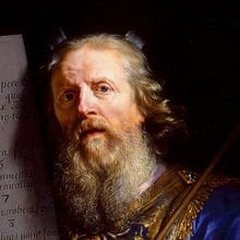 MosesThe Lookout
 The test sees the same temperament in him. He told God, “I am slow of speech and tongue,” then led a whole people through the desert for forty years.
Exodus 4:10-13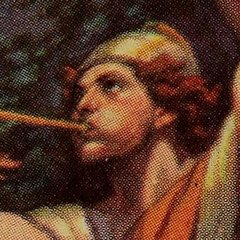 GideonThe Lookout
 The test sees the same temperament in him too. He obeyed God, but he did it at night, because he was afraid.
Judges 6:15, 27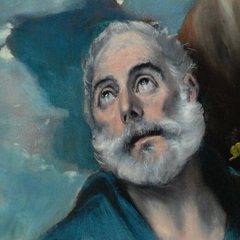 PeterThe Lookout
 At Caesarea Philippi he made almost the same confession she made at Bethany: “You are the Christ, the Son of the living God.”
Matthew 16:16sources
Her life, and her words
- The Berean Standard Bible, public domain. Every Bible line on this page outside the section on where the Bible figure quiz places her.
- Augustine, Sermons 103 and 104, on Luke 10. Tr. R. G. MacMullen. Nicene and Post-Nicene Fathers, first series, volume 6, 1888.
- John Cassian, Conferences, Conference 1. Tr. Edgar C. S. Gibson. Nicene and Post-Nicene Fathers, second series, volume 11, 1894.
- Gregory the Great, Morals on the Book of Job, Book 6. Library of the Fathers, Oxford, 1844.
- John Chrysostom, Homilies on John, Homilies 44 and 62. Tr. G. T. Stupart. Nicene and Post-Nicene Fathers, first series, volume 14.
- The Golden Legend, the Life of S. Martha. Jacobus de Voragine. Tr. William Caxton, 1483, ed. F. S. Ellis, 1900.
Reference
- Catholic Encyclopedia, 1910, “St. Martha”
- Bible Hub, Strong's Greek 3136, for her name
- UNESCO, “Processional giants and dragons in Belgium and France”, inscribed 2008
Calendars
- USCCB, Liturgical Calendar 2026, 29 July
- Congregation for Divine Worship, decree on Saints Martha, Mary and Lazarus, 26 January 2021
- Calendarium Romanum, 1969, with its note on the Franciscan feast of 1262
- The Roman Martyrology, 1916 edition
- OCA, Righteous Martha and Mary, the sisters of Lazarus
- Church of England, Common Worship calendar
- The Episcopal Church, Lesser Feasts and Fasts 2022
- The Lutheran Church–Missouri Synod, Commemorations
- Evangelical Lutheran Worship, ELCA, the church year (final draft, 2006)
Pictures
- Saint Martha, Cornelis Buys, about 1528. Oil on wood. Public domain.
- The Raising of Lazarus, an icon of about 1497 from the Kirillo-Belozersky Monastery. The Russian Museum, St Petersburg. Public domain.