
Mary Magdalene
Jesus freed her from seven demons, and she followed Him to the cross. On Easter morning He called her by name, and she told the disciples, “I have seen the Lord!”
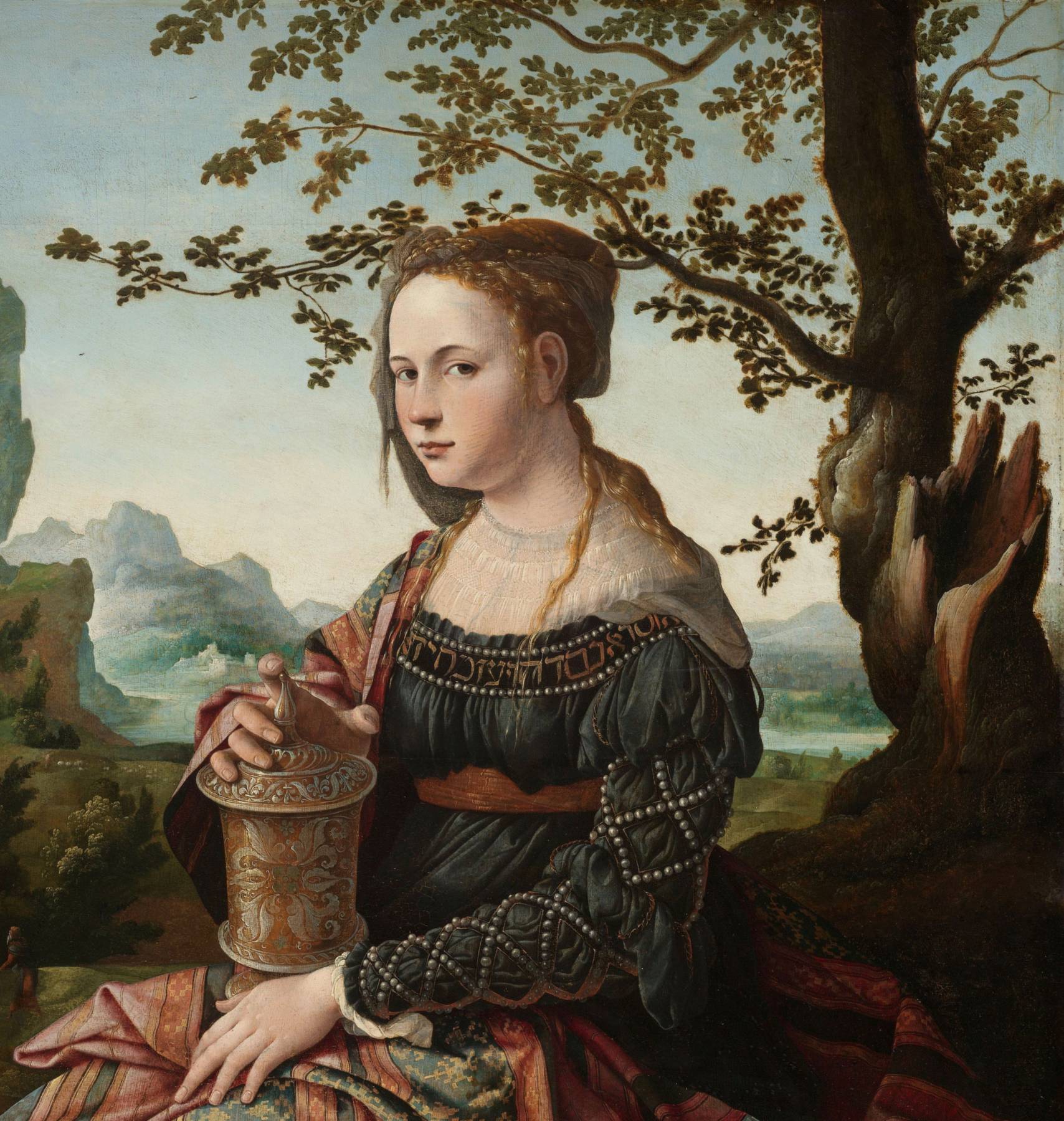
Picture: Mary Magdalene, Jan van Scorel, about 1530. Oil on wood. Rijksmuseum, Amsterdam. CC0.
Who was Mary Magdalene?
Mary Magdalene came from Magdala, a town on the Sea of Galilee. Jesus drove seven demons out of her, and she followed Him, helping to support His work. She stood near His cross and saw where He was buried. On Easter morning the risen Jesus called her by name, and sent her to tell His disciples.
at a glance
Her path, in order
- HealedOf seven demons, in Galilee
- FollowerShe gave from her own means
- WitnessAt His cross and His burial
- MyrrhbearerShe brought spices to the tomb
- MessengerSent by Him to the disciples
in numbers
- Gospels that put her at the tomb4
- All four name her there
- Three name her at the cross too
- Angels in the empty tomb, in John2
- One where His head had lain
- One where His feet had been
- Word that made her recognise Him1
- Her own name: “Mary.”
- She turned and said, “Rabboni!” (Teacher)
did you know?
-
When the Gospels list the women around Jesus, her name comes first every time but once. At the cross in John, His mother is named first.
Matthew 27:56, 61; 28:1; Mark 15:40, 47; 16:1; Luke 8:2; 24:10; John 19:25 -
The English word maudlin comes from her name. Painters showed her weeping, so by about 1600 it meant tearful.
Etymonline, “maudlin” -
The Golden Legend, a medieval book of saints' lives, says the Lord made her “apostolesse of the apostles”.
The Golden Legend, the Life of S. Mary Magdalene, tr. William Caxton (1483)
- In the Bible
- All four Gospels name her, twelve times in all, nearly always at the cross and the empty tomb. Luke alone names her before that, in Galilee.
- Her name
- Magdalene means from Magdala, a small town on the Sea of Galilee, between Capernaum and Tiberias. The town's name comes from the Aramaic for tower.
- Healed
- Jesus drove seven demons out of her, says Luke. The Gospels say nothing more about it.
- Family
- The Bible names no parents, no husband and no children.
- Also called
- Mary of Magdala. Myrrhbearer and Equal of the Apostles, in the Orthodox Church. The apostle of the apostles, from Thomas Aquinas to a Vatican note of 2016.
- Died
- The Bible does not say. The Orthodox say she died at Ephesus, where the apostle John worked. A French legend puts her last years in a cave in Provence.
- In art
- A jar of ointment, for the spices she brought to anoint His body, as at the top of this page. The West long painted her as a weeping penitent, taking her for the sinful woman of Luke 7.
feast days
East and West, side by side
West
- Jul22
Mary Magdalene, a Catholic feast since 2016, and a memorial before that. The Church of England keeps it as a Festival. The Episcopal Church keeps it too, and so do Lutherans in the Missouri Synod and the ELCA. The ELCA's calendar calls her Apostle.
East
- Jul22
Myrrhbearer and Equal of the Apostles Mary Magdalene, for the Orthodox Church in America. The Orthodox honour her again on the Sunday of the Myrrh-bearing Women, two weeks after Pascha (Easter).
Why 22 July? Bede, an English monk of the 700s, already names her on this day in his book of martyrs. Rome's calendar of 1969 notes that Syrian, Byzantine and Coptic Christians keep the same day, and that her feast spread in the West only in the 1100s. Churches on the old calendar keep the same day, but their 22 July falls 13 days later, on 4 August.
what others said of her
The early Church Fathers, and Thomas Aquinas, who called her the apostle of the apostles, in their own words.
This gardener was sowing in her heart, as in His own garden, the grain of mustard seed.
She received no small reward for this her great zeal. For what the disciples saw not, this saw the woman first
So it came about that she alone saw Him then, for she had stayed behind to seek Him.
Indeed, she was made the apostle of the apostles, for she was entrusted with telling the disciples of the Lord's resurrection.
her life in seven moments
Galilee
On the road with JesusHealed, and a follower
Jesus went from town to town, preaching the good news of the kingdom of God. The Twelve were with Him, Luke says, “as well as some women who had been healed of evil spirits and infirmities.” The first he names is “Mary called Magdalene, from whom seven demons had gone out.” With Joanna, Susanna “and many others”, she supported them “out of their own means.”
Luke 8:1-3Golgotha
The crucifixionNear the cross
On the night of Jesus' arrest, “everyone deserted Him and fled.” But the women who had followed Him from Galilee were there at His death. Mark names Mary Magdalene first among them. Matthew and Mark say the women were “watching from a distance”. John puts her “near the cross of Jesus”, beside His mother.
Mark 14:50; 15:40-41; Matthew 27:55-56; John 19:25Joseph's tomb
That eveningWhere they laid Him
Joseph of Arimathea, a rich man and a disciple, took down the body of Jesus. He wrapped it in linen and laid it in his own new tomb, cut into the rock. Then he rolled a great stone across the entrance. “Mary Magdalene and the other Mary were sitting there opposite the tomb.” Luke says the women went home and prepared spices. Then they rested on the Sabbath.
Matthew 27:57-61; Mark 15:46-47; Luke 23:55-56The tomb
The first day of the weekThe stone rolled away
In Mark, when the Sabbath was over, Mary Magdalene and two other women bought spices to anoint His body. They went at sunrise, wondering who would move the stone. It had been rolled away. Inside sat a young man dressed in white, who told them, “He has risen! He is not here!” In Matthew, Jesus Himself met the women as they ran to tell the disciples. They took hold of His feet and worshipped Him. Luke says that when they told the apostles, their words “seemed like nonsense to them”.
Mark 16:1-8; Matthew 28:1-10; Luke 24:1-11The tomb
While it was still darkRunning to Peter
John tells the Easter morning story through Mary alone. She came to the tomb while it was still dark, and saw that the stone had been removed. She ran to Simon Peter and the disciple Jesus loved, and told them the Lord had been taken. The two ran to the tomb and found only the linen cloths. “Then the disciples returned to their homes.”
John 20:1-10The garden
The same morningThe gardener
Peter and the other disciple had gone home. “But Mary stood outside the tomb weeping.” She bent down and saw two angels in white, sitting where the body of Jesus had lain. “Woman, why are you weeping?” they asked. She turned around and saw Jesus standing there, but did not recognise Him. He asked her the same question. Thinking He was the gardener, she asked Him where the body had been taken. Then Jesus said to her, “Mary.” She turned, and knew Him.
John 20:11-16Jerusalem
The same daySent with the news
“Do not cling to Me,” Jesus said, “for I have not yet ascended to the Father. But go and tell My brothers.” So Mary Magdalene went to the disciples with the news, and told them what He had said to her. The longer ending of Mark, missing from some early copies, says the same: “He appeared first to Mary Magdalene.” It adds that when they heard, “they did not believe it.”
John 20:17-18; Mark 16:9-11
her words
Mary wrote nothing. These are her words as the Gospels record them. Outside the section on where the Bible figure quiz places her, every Bible line on this page is from the Berean Standard Bible.
The first Easter news
I have seen the Lord!
Jesus had just sent her to His brothers. She went to the disciples and told them what He had said to her.
John 20:18Who will roll away the stone from the entrance of the tomb?
They have taken the Lord out of the tomb, and we do not know where they have put Him!
Because they have taken my Lord away, and I do not know where they have put Him.
Sir, if You have carried Him off, tell me where You have put Him, and I will get Him.
Rabboni!
one woman, or three?
For almost fourteen centuries, most Christians in the West took Mary Magdalene to be the unnamed sinful woman of Luke 7, and Martha's sister Mary as well. The East never did. Here each side speaks for itself.
Three women in the Gospels
Luke 7 tells of “a sinful woman from that town”. At a Pharisee's dinner she wet Jesus' feet with her tears, wiped them with her hair and anointed them. Luke never gives her name. In his next chapter he names Mary Magdalene for the first time, among the women Jesus had healed. John tells of Mary of Bethany, Martha's sister, who anointed Jesus' feet days before His death. No Gospel says any two of them are the same woman. Jesus said of the woman in Luke 7:
“Therefore I tell you, her many sins have been forgiven, for she has loved much.”Luke 7:36-50; 8:2; John 12:1-3
Gregory the Great: one woman
Pope Gregory preached on Luke 7 in Rome, in the church of St Clement, in about 591. He made the three women one. The seven demons, he said, meant “all the vices”. Her perfume, he said, was one she had once used on herself for forbidden deeds, and now she offered it to God. Most Latin writers followed him. As late as 1910, the Catholic Encyclopedia still argued for one woman: “To the Catholic mind it all seems fitting and natural.” Gregory's words, in our translation:
“She whom Luke calls a sinful woman, and John calls Mary, we believe to be the Mary from whom, Mark says, seven demons were cast out.”Gregory the Great, Homilies on the Gospels, Homily 33; Catholic Encyclopedia, “St. Mary Magdalen”
The Orthodox: three women
“The Greek Fathers, as a whole, distinguish the three persons,” says the Catholic Encyclopedia, and the Orthodox still do. They keep Mary Magdalene on 22 July, and Martha's sister Mary with Martha on 4 June. The sinful woman is remembered in Holy Week: the hymns of Holy Wednesday, says the Orthodox Church in America (OCA), “remind us of the sinful woman who poured precious ointment on Christ's head at Simon the leper's house”. The OCA's life of Mary Magdalene does pass on a tradition that before Jesus healed her she “led a sinful life”. But it keeps her apart from the sinful woman, and honours her as
“the woman called by the Lord Himself from darkness to light, and from the power of Satan to God.”Catholic Encyclopedia, “St. Mary Magdalen”; OCA, Great and Holy Wednesday; OCA, Mary Magdalene, 22 July
Rome, 1969: three again
Many Protestant scholars already held that there were two or three women, the Catholic Encyclopedia noted in 1910. In 1969 Rome parted them too. Its new calendar kept 22 July for Mary Magdalene alone. Its notes are in Latin. Our translation:
“In the renewed Roman liturgy there will no longer be a memorial of Mary of Bethany, nor of the sinful woman of Luke 7:36-50, but only of Mary Magdalene, to whom Christ first appeared after His resurrection.”Calendarium Romanum (1969), notes on 22 July; Catholic Encyclopedia, “St. Mary Magdalen”
often misquoted
Mary Magdalene was a prostitute.
What the sources sayNo Gospel says so. Luke says only that seven demons had gone out of her. The idea came from joining her to the unnamed sinful woman of Luke 7, and Luke never calls that woman a prostitute either. Pope Gregory the Great joined them in a sermon of about 591, and the West followed him. The Orthodox never did, and Rome parted them again in 1969. See One woman, or three? above.
Luke 7:37; 8:2; Gregory the Great, Homily 33; Calendarium Romanum (1969)Jesus would not let her touch Him.
What the sources sayHe said, “Do not cling to Me, for I have not yet ascended to the Father.” Older English Bibles have “Touch me not”, and the Latin Noli me tangere, which became the name of countless paintings of the scene. In Matthew, the women “grasped His feet” and He did not stop them. Augustine found it absurd to think Jesus let the disciples touch Him “but refused it in the case of women”.
John 20:17; Matthew 28:9; Augustine, Tractates on John, Tractate 121She was the wife of Jesus.
What the sources sayNo early writer says so. The Gnostics taught that matter is evil and only an enlightened few are saved. Some of their books, written long after her time, made her the one who received His secret teaching, Britannica says. The Gospel of Philip is one. In 2012 Karen King, a Harvard scholar, announced a scrap of papyrus in which Jesus speaks of “my wife”. Scholars exposed it as a modern fake, and in 2016 King said the evidence “tips the balance towards forgery.” A medieval legend, Britannica adds, married Mary to the apostle John instead.
Britannica, “Saint Mary Magdalene”; CNN, 13 September 2020, on Ariel Sabar's VeritasThe Gospel of Mary is her own lost Gospel.
What the sources sayIt is not hers. It is a book of the 100s by the Gnostics, who taught that matter is evil and only an enlightened few are saved. It was first written in Greek. The fullest copy is a Coptic translation, in a book from about the year 400 that was bought in Cairo in 1896 and published only in 1955. Two small Greek fragments survive too. In the Coptic copy, pages 1 to 6 and 11 to 14 are lost. In what is left, Mary tells the disciples what the Saviour showed her. Andrew and Peter doubt her, and another disciple, Levi, takes her side.
The Gnostic Society Library, notes on the Gospel of Mary; BritannicaShe sailed to France and lived thirty years in a cave.
What the sources sayThe Bible says nothing of her after Easter. The story is in the Golden Legend, compiled in the 1200s. With Lazarus, Martha and others, it says, she was “put in a ship in the sea, without any tackle or rudder, for to be drowned”, and came safe to Marseilles. Later she lived in a wild place “by the space of thirty years”, and at every hour of prayer angels lifted her into the air. The Orthodox tell a different later story: she preached in Rome, then went to Ephesus, where the apostle John worked, and died there.
The Golden Legend, the Life of S. Mary Magdalene, tr. William Caxton (1483); OCA, 22 July; Catholic EncyclopediaShe gave the emperor the first Easter egg.
What the sources sayNot in the Bible. It is an Orthodox tradition. The life of her by the Orthodox Church in America (OCA) says she went to Rome and told the emperor Tiberius that Christ had risen. “According to Tradition, she brought him a red egg as a symbol of the Resurrection,” with the words “Christ is Risen!” The OCA credits her with the custom of giving eggs at Pascha (Easter).
OCA, Mary Magdalene, 22 Julyfriends, family and rivals
 Mary of Nazareth
 Jesus' mother. John puts the two of them near the cross together.
John 19:25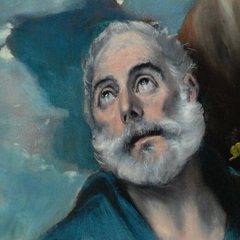 Peter
Peter She ran to tell him the tomb was empty, and he ran there to see. He went in and saw the linen cloths lying there.
John 20:2-6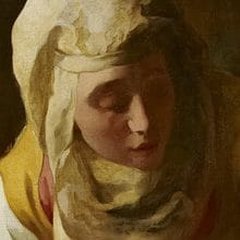 Martha of Bethany
 Not her sister, though the West long thought so. The Orthodox honour them both among the Myrrh-bearing Women.
OCA, Sunday of the Holy Myrrhbearing WomenHe outran Peter to the tomb, went in, and “saw and believed.” The Orthodox say Mary ended her days near him, at Ephesus.
John 20:4-8; OCA, 22 JulyThe wife of Chuza, the manager of Herod's household. She helped to support Jesus with Mary, and went with her to the tomb.
Luke 8:3; 24:10“The other Mary”, in Matthew. She sat with Mary Magdalene opposite the tomb, and went back with her at dawn.
Matthew 27:56, 61; 28:1At the cross with her, and one of the three women who bought spices to anoint His body.
Mark 15:40; 16:1A rich man and a disciple. He laid the body of Jesus in his own new tomb while she watched.
Matthew 27:57-61Her Teacher, Who freed her from seven demons. After He rose, He called her by name and sent her to tell His disciples.
Luke 8:2; John 20:16-17is she a saint?
Yes. Every church that keeps saints' days honours her on 22 July. Since 2016 Rome has kept her day as a feast, the same rank as the apostles' days.
- CatholicSaintA feast since 2016, 22 July
- OrthodoxSaintEqual of the Apostles, 22 July
- AnglicanSaintA Festival in the Church of England
- LutheranSaintMissouri Synod and ELCA, 22 July
In 2016 Pope Francis raised her memorial to a feast. A Vatican note that year called her the first witness of the risen Christ and the first to tell the apostles. It gave her an old title used by the medieval teachers Rabanus Maurus and Thomas Aquinas: the apostle of the apostles.
The Orthodox call her Myrrhbearer and Equal of the Apostles. The calendar of the ELCA, a Lutheran church, names her “Mary Magdalene, Apostle”.
Rome's book of martyrs, in its 1916 edition, still placed her death at Marseilles, as a French legend has it:
At Marseilles, the birthday of St. Mary Magdalen, out of whom our Lord expelled seven demons, and who deserved to be the first to see the Saviour after He had risen from the dead.
what to read first
John 20
The Gospel of John
The empty tomb, the gardener, and “I have seen the Lord!” One chapter.
Read it freeLuke 24
The Gospel of Luke
The women at the tomb, and the apostles who would not believe them. Luke 8:1-3 tells how Mary Magdalene first followed Jesus.
Read it freeTractate 121 on John
Augustine of Hippo
A short sermon on Mary in the garden, and the words she heard there.
Read it freeThe Life of S. Mary Magdalene
The Golden Legend, in Caxton's English
The medieval legend: the ship without a rudder, Marseilles, and thirty years in the wilderness. Told as a legend, and a vivid one.
Read it freewhere the quiz places her
The record, drawn
Each arm is one axis; length is how far from the centre the recorded acts sit. An axis the text does not place Mary Magdalene on has no arm.
In the quiz's own words
Quick to move, more alongside than in front, quick to speak up
The six axes
Your answers are marked. From your result on . See your result
In the hatched middle the quiz names neither pole.
The moments behind each axis
Each line is one recorded act and the reference it is taken from. The sentence says what the person did; where it is in quotation marks it is verbatim, from the translation named under it. An act listed here is evidence of how this person moved, not approval of it; read the passage for how it was received. On 2 of the six the text does not show this, and that axis is left out of the match rather than filled in.
Pace Acts first ↔ Weighs first
quick to move
-
John 20:1 toward Acts first
She went to the tomb early, while it was still dark.
-
John 20:2 toward Acts first
Seeing the stone moved she ran to Simon Peter and the other disciple.
she ran and came to Simon Peter
World English Bible British Edition
Voice Says it ↔ Holds it
quick to speak up
-
John 20:18 toward Says it
She went to the disciples and told them what she had seen and what had been said to her.
-
John 20:13 toward Says it
Asked why she was weeping, she said plainly that the body had been taken and she did not know where.
Lead Out in front ↔ Alongside
more alongside than in front
-
Luke 8:1-3 toward Alongside
She went with Him and the Twelve through the cities and villages, among the women who served them from their possessions.
-
Mark 15:40-41 toward Alongside
Mark names her among the women who had followed Him and served Him when He was in Galilee.
followed Jesus and ministered to Him
Berean Standard Bible
Conflict Confronts ↔ Reconciles
not shown in the text
The text does not show this. Nothing in the record puts Mary Magdalene at either end of this axis, so it is left out when a reader is matched, rather than counted as a position in the middle.
-
No record
The text does not show this.
Reasons Asks why ↔ Takes it on trust
not shown in the text
The text does not show this. Nothing in the record puts Mary Magdalene at either end of this axis, so it is left out when a reader is matched, rather than counted as a position in the middle.
-
No record
The text does not show this.
Plans Plans ahead ↔ Meets the day
leans to planning
-
Mark 16:1 toward Plans ahead
When the Sabbath was past she bought spices with the other women to go and anoint Him.
bought spices so they could go and anoint the body of Jesus
Berean Standard Bible
Nearest on the map
Distance between two sets of coordinates across every axis, on the same scale a reader's answers are measured on. No number is shown against a person, and nearness is not likeness: two people can land in the same band for different reasons.
Suggest a correction. Corrections that are applied are recorded in the public changelog.
 Quiz Who in the Bible are you most like? Answer eighteen plain statements about you, none of them about the Bible, and see how near you land to Mary Magdalene. Start
  Quiz Christian Personality Test Which of eight types are you? Find your own. Start
 people like her
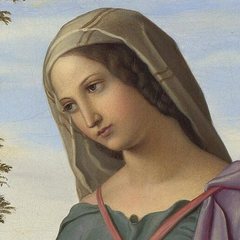 Ruth
Ruth She would not leave the one she loved: “For wherever you go, I will go.”
Ruth 1:16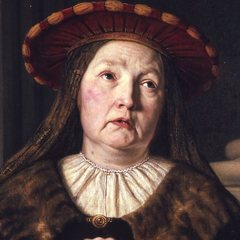 Hannah
 She too wept before the Lord, and went away changed: “her face was no longer downcast.”
1 Samuel 1:10, 18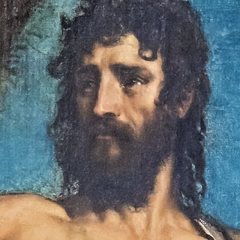 John the Baptist
 Another one sent with news of Jesus: “There came a man who was sent from God.”
John 1:6sources
Her life, and her words
- The Berean Standard Bible, public domain. Every Bible line on this page outside the section on where the Bible figure quiz places her.
- Augustine, Tractates on John, Tractate 121. Tr. John Gibb and James Innes. Nicene and Post-Nicene Fathers, first series, volume 7, 1888.
- John Chrysostom, Homilies on John, Homily 86. Tr. G. T. Stupart. Nicene and Post-Nicene Fathers, first series, volume 14.
- Gregory the Great, Homilies on the Gospels, Homily 25, in Latin, from Migne's edition. The English on this page is ours.
- Thomas Aquinas, Commentary on the Gospel of John, chapter 20, in Latin, at the Corpus Thomisticum. The English on this page is ours.
- The Golden Legend, the Life of S. Mary Magdalene. Jacobus de Voragine. Tr. William Caxton, 1483, ed. F. S. Ellis, 1900.
- The Gospel of Mary, with the Gnostic Society Library's notes on its manuscripts
- CNN, “Gospel of Jesus' Wife forgery”, 13 September 2020, on Ariel Sabar's Veritas
One woman, or three?
- Gregory the Great, Homilies on the Gospels, Homily 33, in Latin, from Migne's edition. The English on this page is ours.
- OCA, Great and Holy Wednesday
- OCA, Myrrhbearer and Equal of the Apostles Mary Magdalene, 22 July
- Calendarium Romanum, 1969, its notes on 22 July, in Latin. The English on this page is ours.
Reference
- Catholic Encyclopedia, 1910, “St. Mary Magdalen”
- Britannica, “Saint Mary Magdalene”
- Etymonline, “maudlin”, with its entry for “Magdalene”
- The Vulgate, John 20, for Noli me tangere
Calendars
- USCCB, Liturgical Calendar 2026, 22 July
- Holy See Press Office, “The liturgical memory of Mary Magdalene becomes a feast”, 10 June 2016
- The Roman Martyrology, 1916 edition
- OCA, Sunday of the Holy Myrrhbearing Women
- Church of England, Common Worship calendar
- The Episcopal Church, Lesser Feasts and Fasts 2022
- The Lutheran Church–Missouri Synod, Commemorations
- Evangelical Lutheran Worship, ELCA, the church year (final draft, 2006)
Pictures
- Mary Magdalene, Jan van Scorel, about 1530. Oil on wood. Rijksmuseum, Amsterdam. CC0.
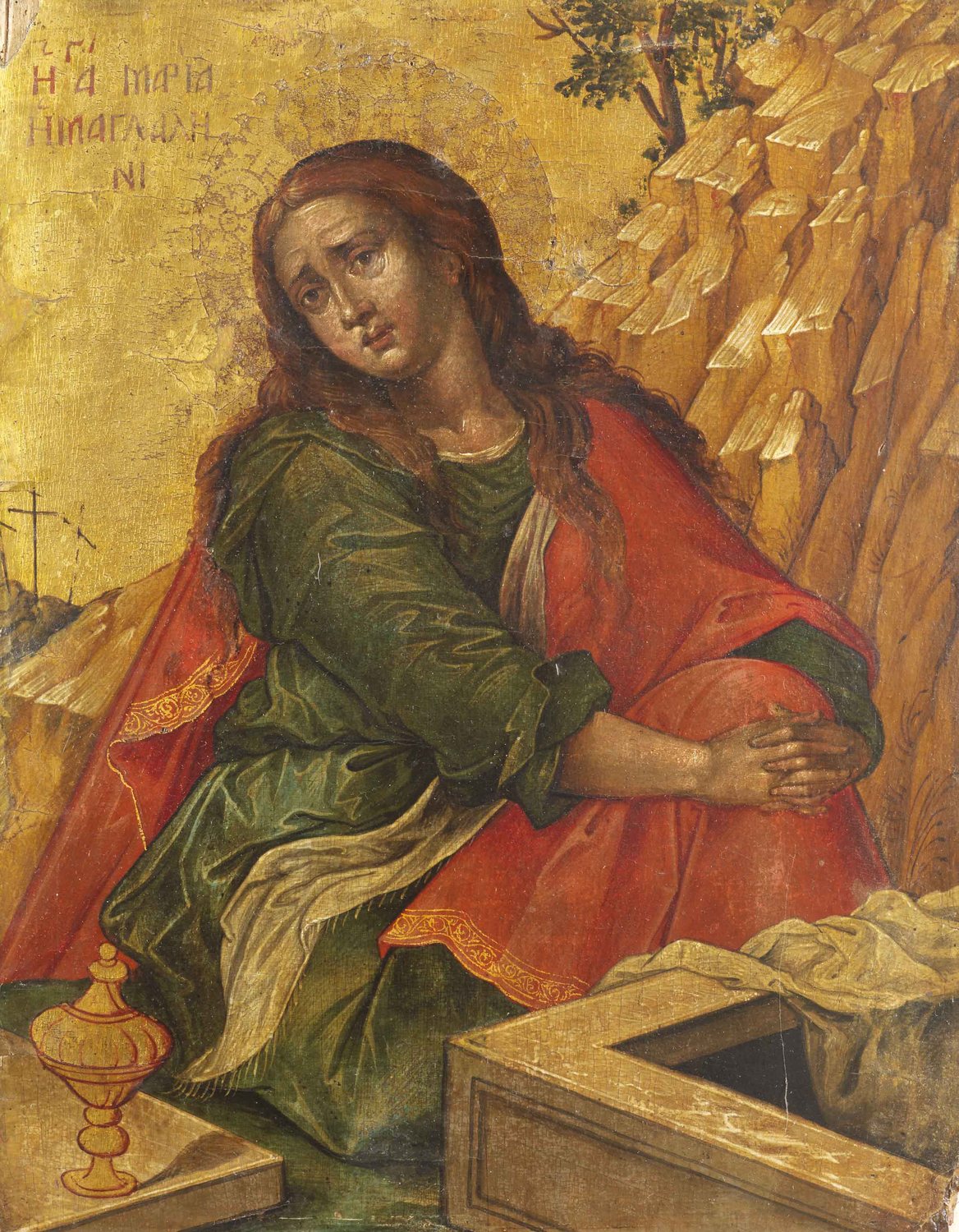
- Mary Magdalene, Konstantinos Tzanes, 1600s. Tempera on wood. Public domain.
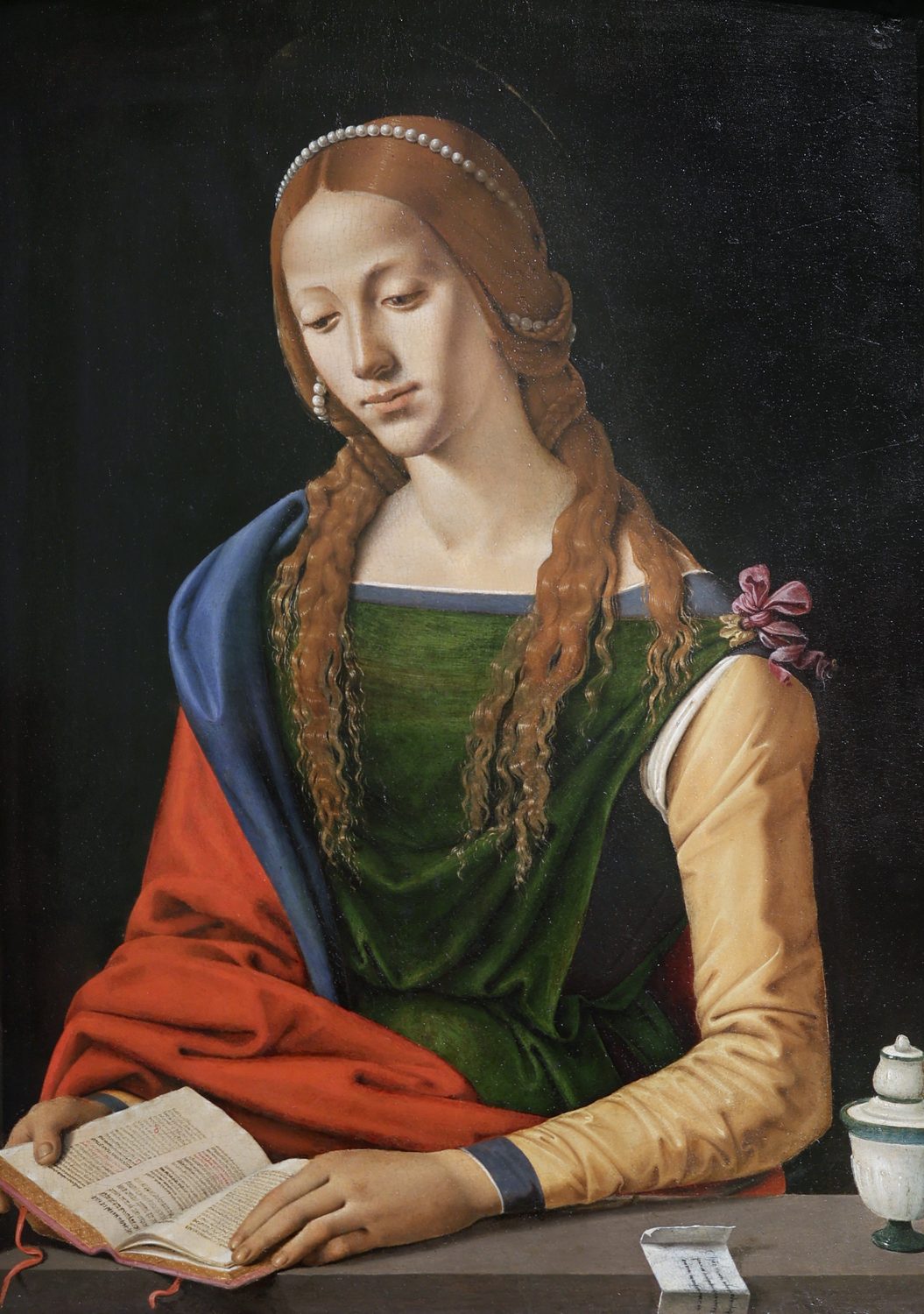
- Mary Magdalene, Piero di Cosimo, about 1495 to 1500. Palazzo Barberini, Rome. Photograph by Fabrizio Garrisi, CC0.