
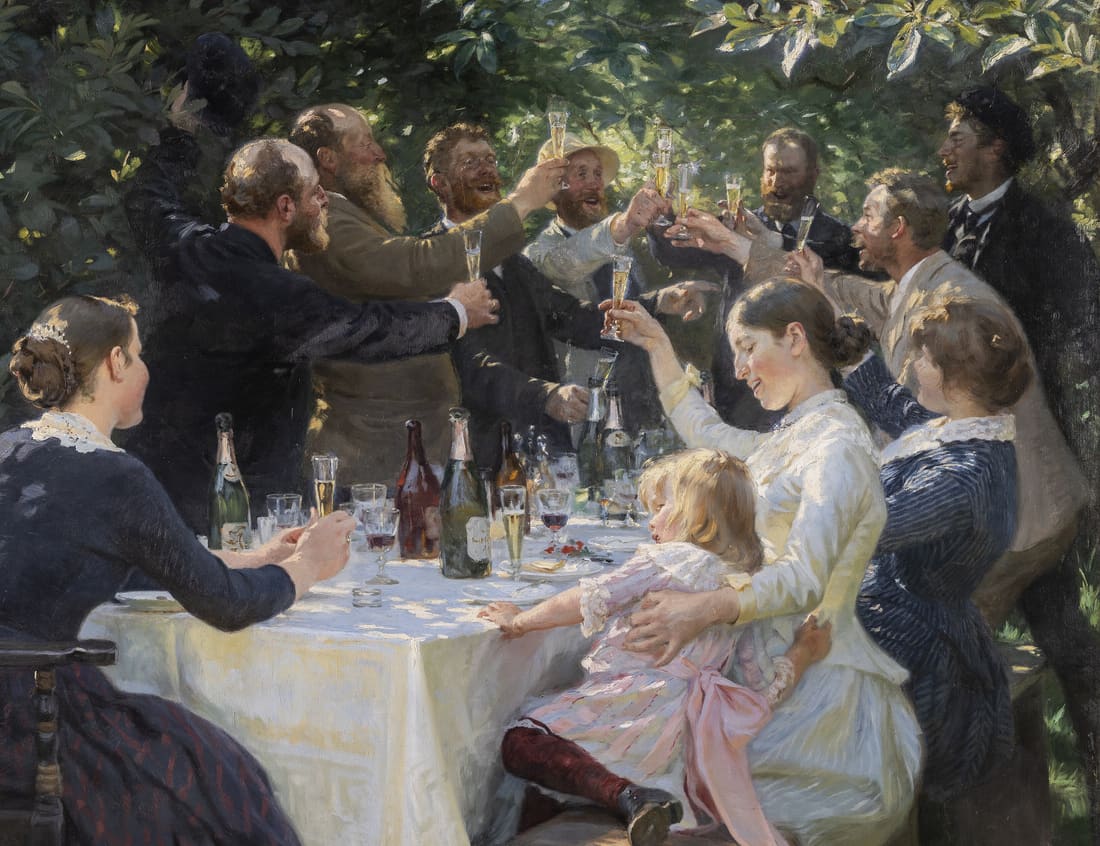
The Spark
Light-hearted, and at your best when there is something to do.
- Cheerful
- Restless mind
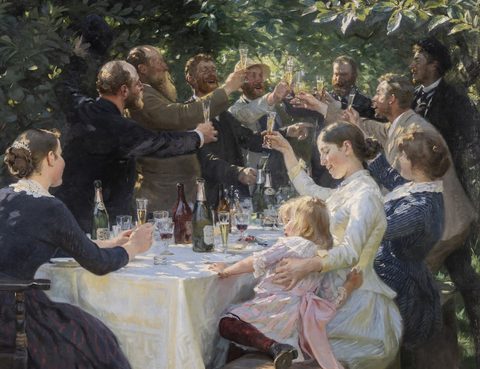
Picture: Hip, Hip, Hurrah! Artists' Party, Skagen, Peder Severin Krøyer, 1888
This is your type. Your type is . See your result
Your mood runs light, and you are at your best with something to do. A quiet week makes you restless, and a full one suits you.
What you bring
- You make hard things feel lighter.
- Good news makes you glad right away.
- You come alive when there is plenty to do.
What it costs you
- You can laugh off something that deserved a second thought.
- Pleasure can quietly become the point.
- Rest can feel like losing.
Where the trap is set
Pleasure
St Gregory the Great says the tempter first studies each person’s temperament. Then he tempts them with the fault that lies closest to it. For the gloomy it’s a quarrel. For the careful it’s fear. For the proud it’s praise. For the cheerful, it’s pleasure.
“pleasure borders on mirth”
St Gregory the Great, Moralia on Job
So your temptation rarely looks like temptation. It looks like a good time: one more helping, one more episode, one more thing you enjoy a little too much.
The gift in it
Your gladness is a gift. Kept close to God, it becomes the joy Christ promised, the kind nobody can take from you.
“I will see you again, and your heart shall rejoice, and your joy no man shall take from you”
Christ, quoted by Gregory in the Pastoral Rule
A restless mind
Gregory says some minds are so restless that time off only makes their thoughts worse. They should work hard, and not force themselves into long stretches of stillness.
“there be some so restless, that if they have cessation from labour, they have only the worse labour”
St Gregory the Great, Moralia on Job
Who else was like this
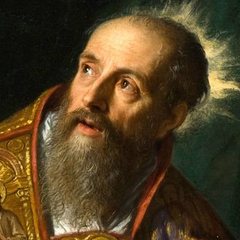 St Augustine, as a young man
Before his conversion he loved his friends. In his Confessions he remembers how they would “talk and jest together”, read good books together, and argue now and then without falling out. He is honest there too that for nine years he chased pleasure and applause.
Augustine, Confessions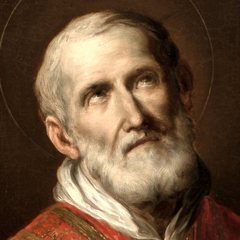 St Philip Neri
He was a priest in sixteenth-century Rome. His biographer, Pietro Giacomo Bacci, says he had “a very lively temperament, and without the least tendency to melancholy”. He hated idleness, and kept the young men around him busy with small jobs. Crowds came to him every day, some for forty years, and his room became known as “the Shelter of Christian Mirth”.
Pietro Giacomo Bacci, Life of St Philip NeriIts opposite
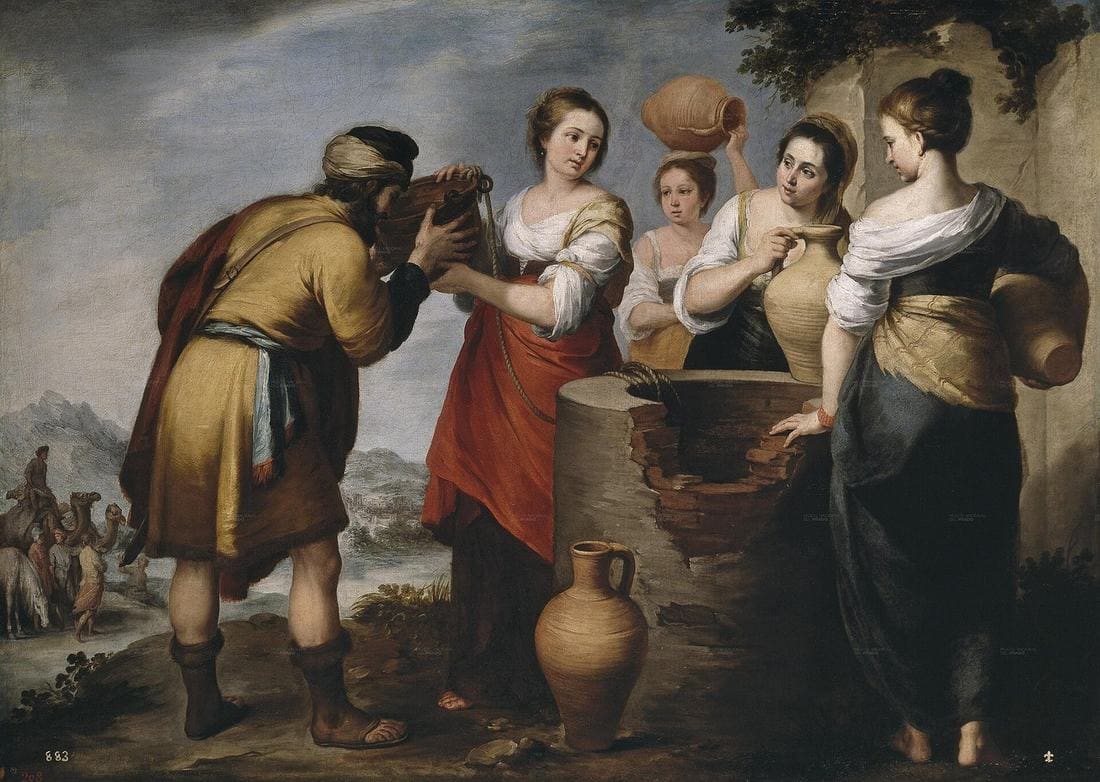
The Deep Well
Serious by nature, and at your best when life is quiet.
-
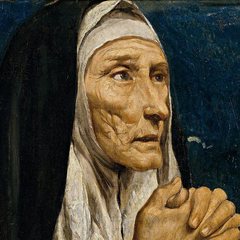 St Monica The Deep Well
- St Augustine, as a young man The Spark
As a young man, St Augustine loved to “talk and jest together” with his friends. But he left the faith of his mother, St Monica, and joined a sect outside the Church. For almost nine years she wept and prayed for him. A bishop told her, “it is not possible that the son of these tears should perish.” At last Augustine was baptized. Soon after, mother and son stood alone at a window in Ostia, near Rome, and talked together about the life of heaven. She told him she had lived to see him a Christian, and had nothing left to stay for. She died about two weeks later. Both are saints.
St Augustine, Confessions
See the Deep Well“let all be eye or all head: will not the body perish?”
St John Chrysostom, on 1 Corinthians
All eight types
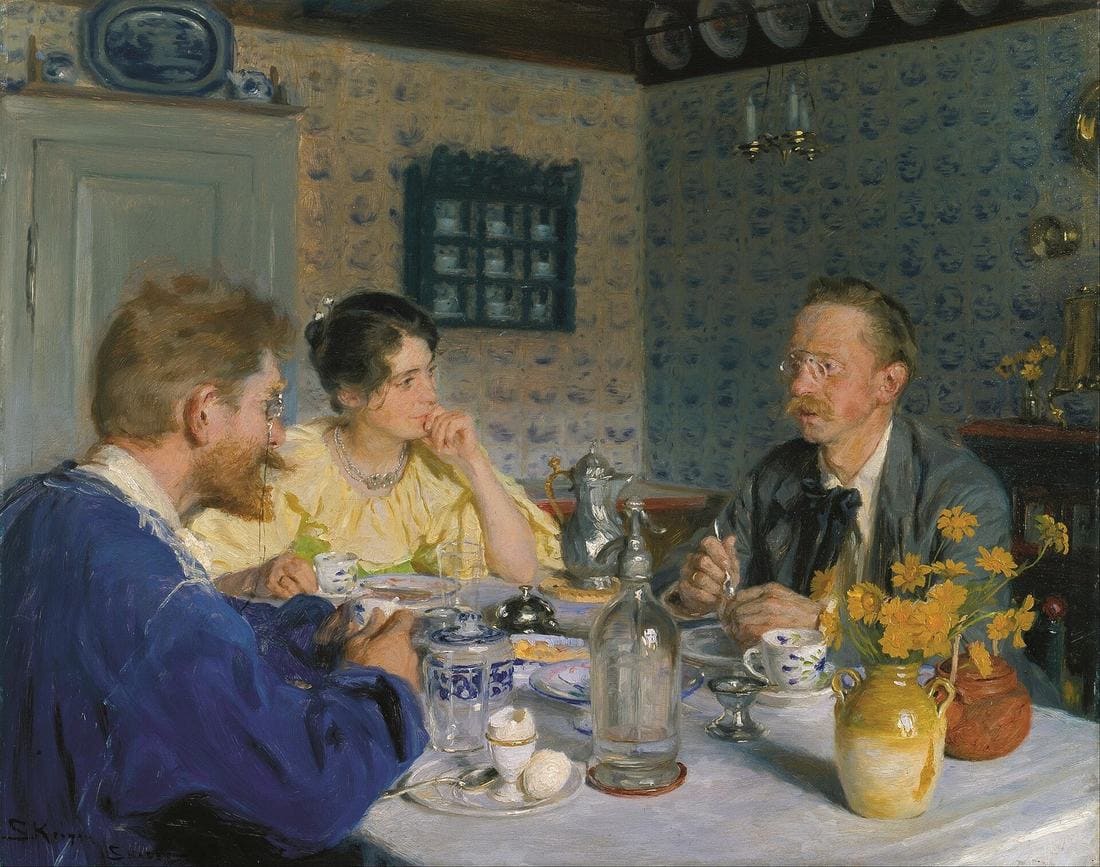
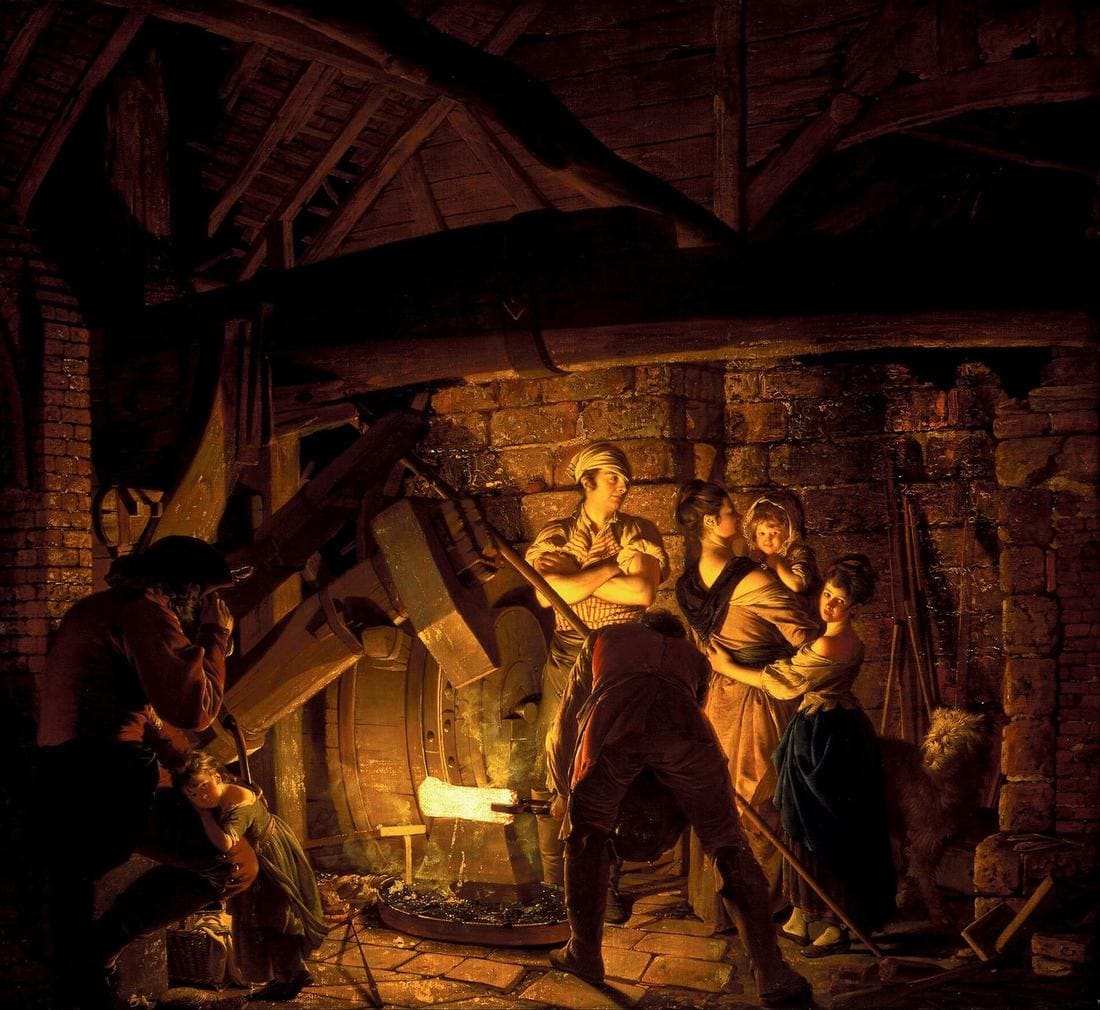
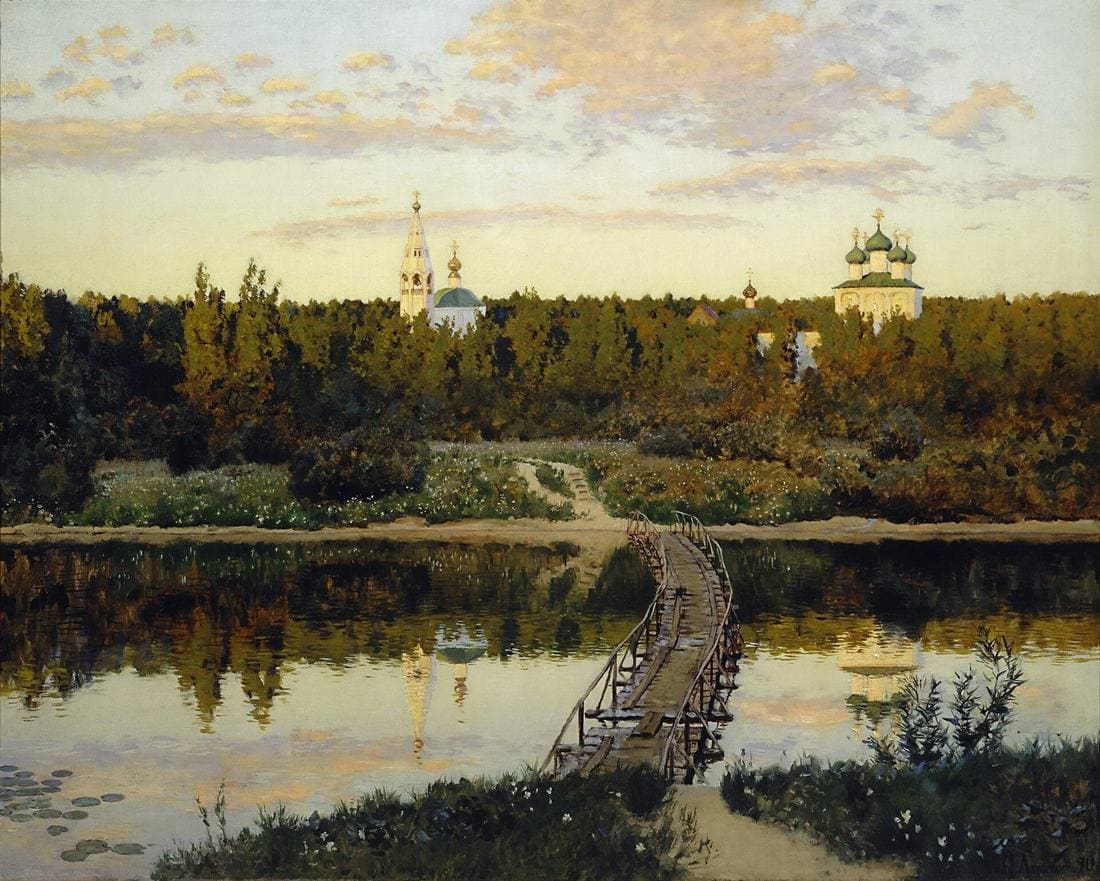
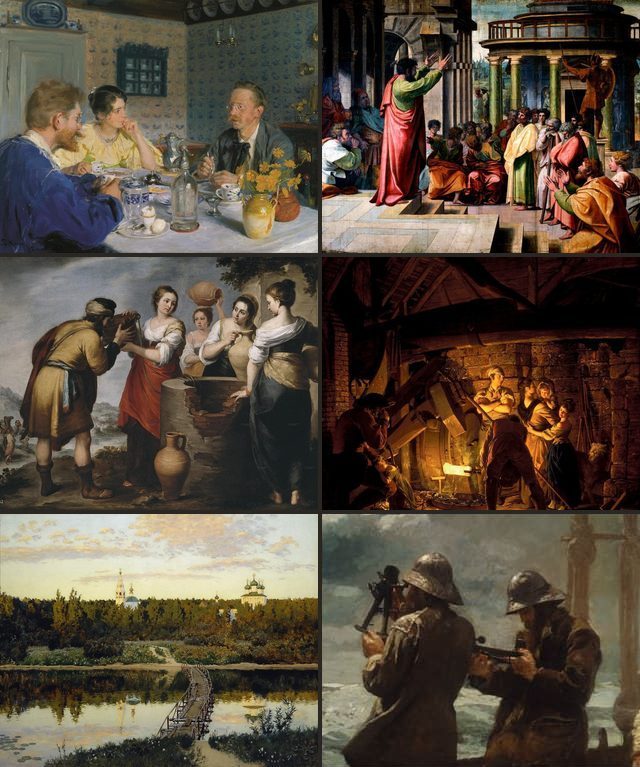
All eight types, and how St Gregory sorted them.
Picture credits
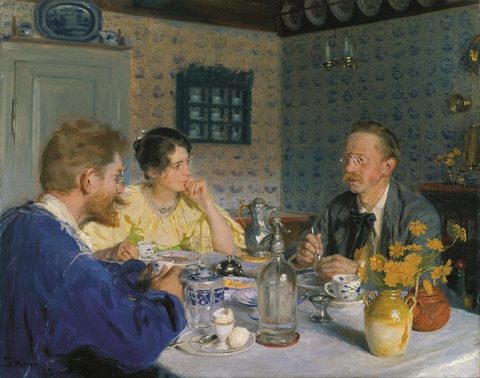
- A Luncheon: the artist, his wife and the writer Otto Benzon, Peder Severin Krøyer, 1893. Wikimedia Commons, public domain.
- Hip, Hip, Hurrah! Artists' Party, Skagen, Peder Severin Krøyer, 1888. Wikimedia Commons, CC BY 4.0, Gothenburg Museum of Art.
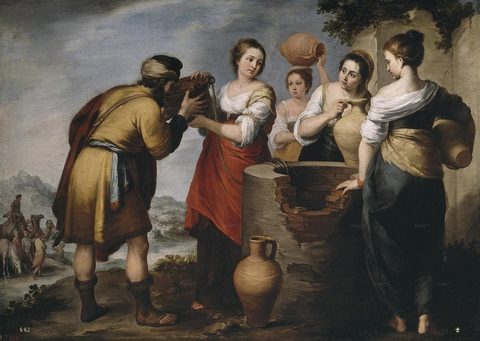
- Rebecca and Eliezer, Bartolomé Esteban Murillo, c. 1660. Wikimedia Commons, public domain.
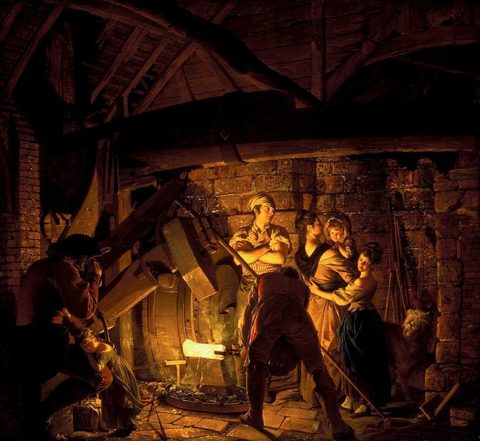
- An Iron Forge, Joseph Wright of Derby, 1772. Wikimedia Commons, public domain.
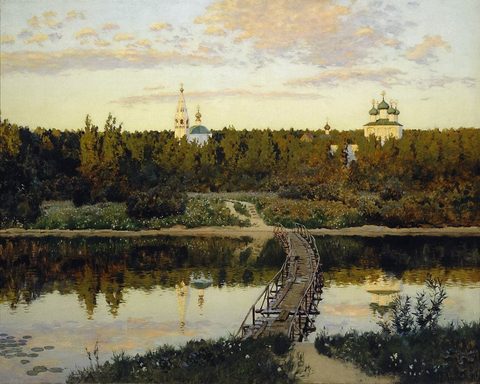
- Quiet Abode, Isaac Levitan, 1890. Wikimedia Commons, public domain.
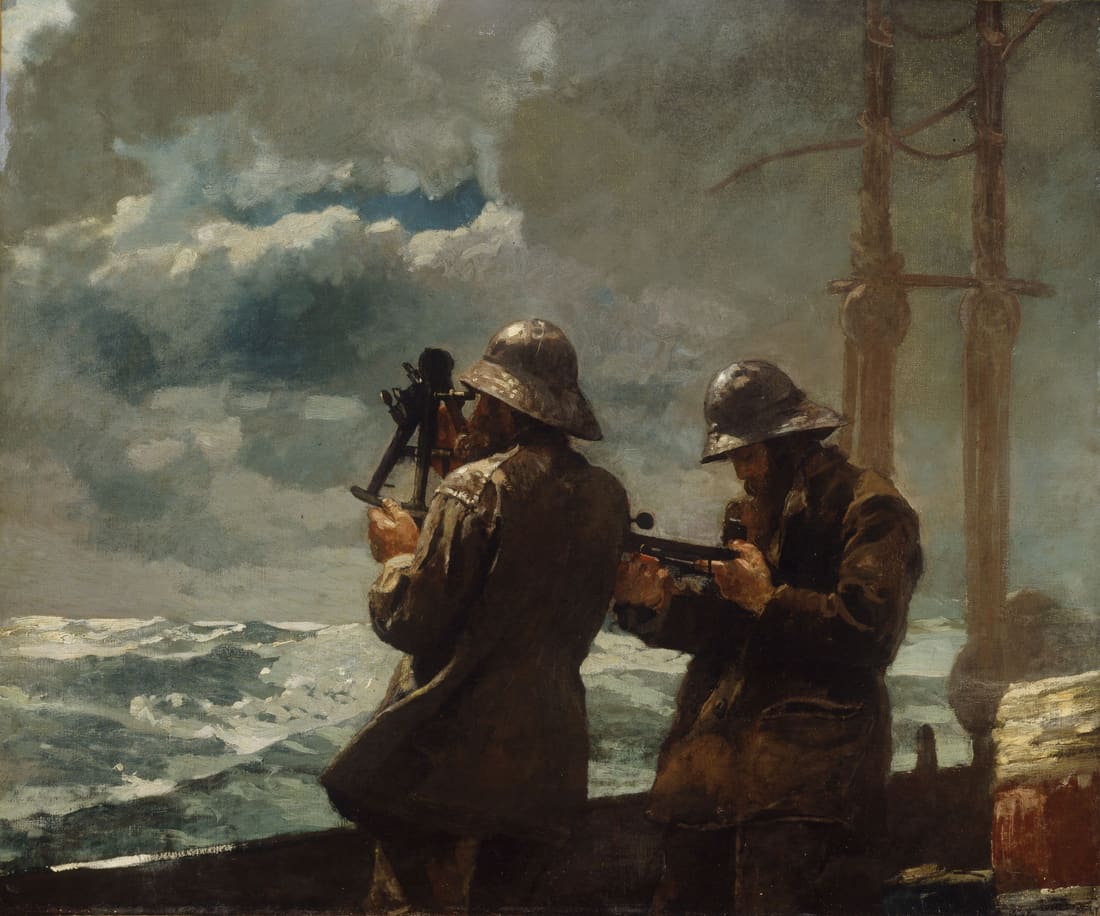
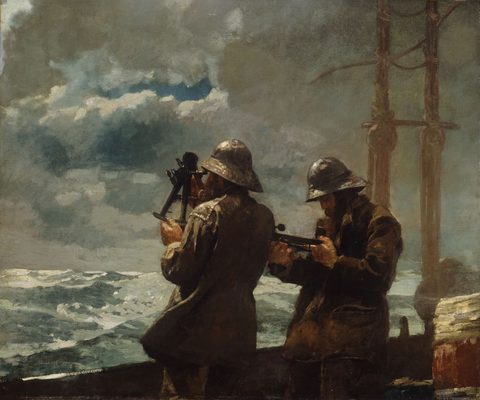
- Eight Bells, Winslow Homer, 1886. Wikimedia Commons, public domain.
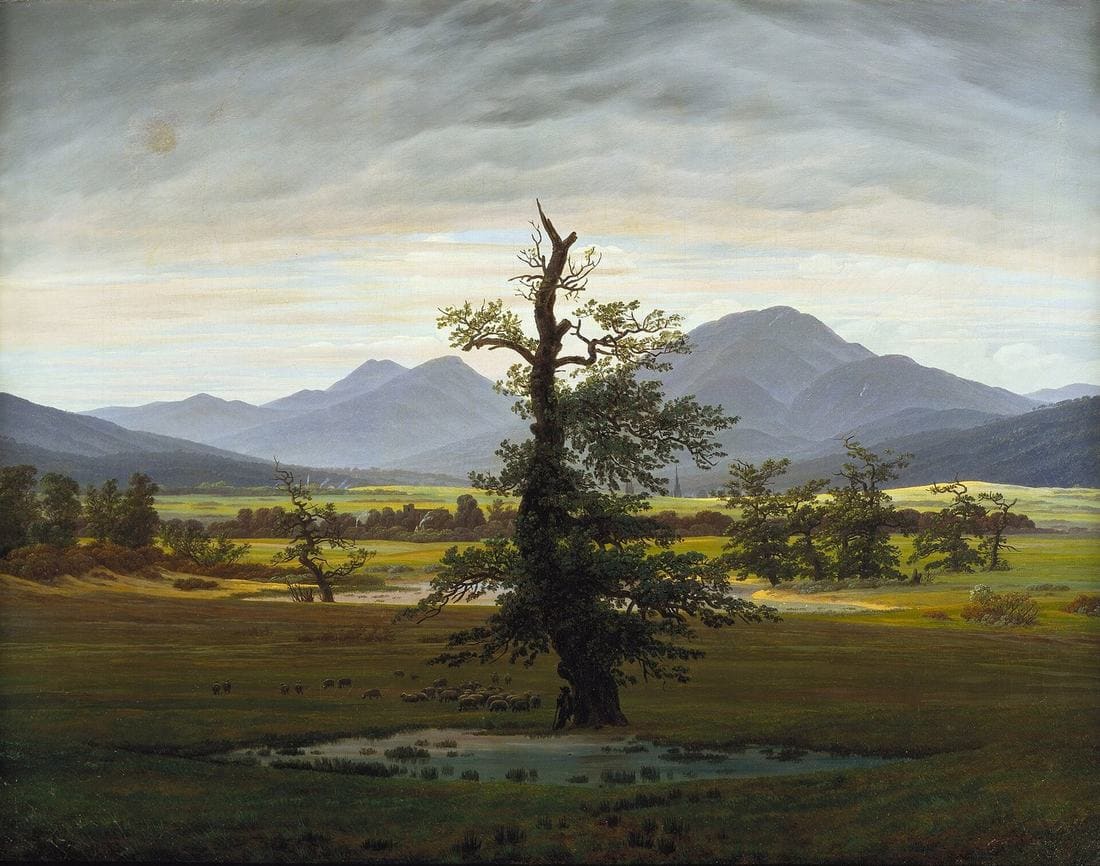
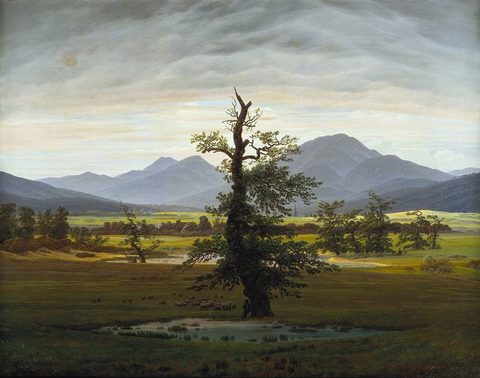
- The Lonely Tree, Caspar David Friedrich, 1822. Wikimedia Commons, public domain.
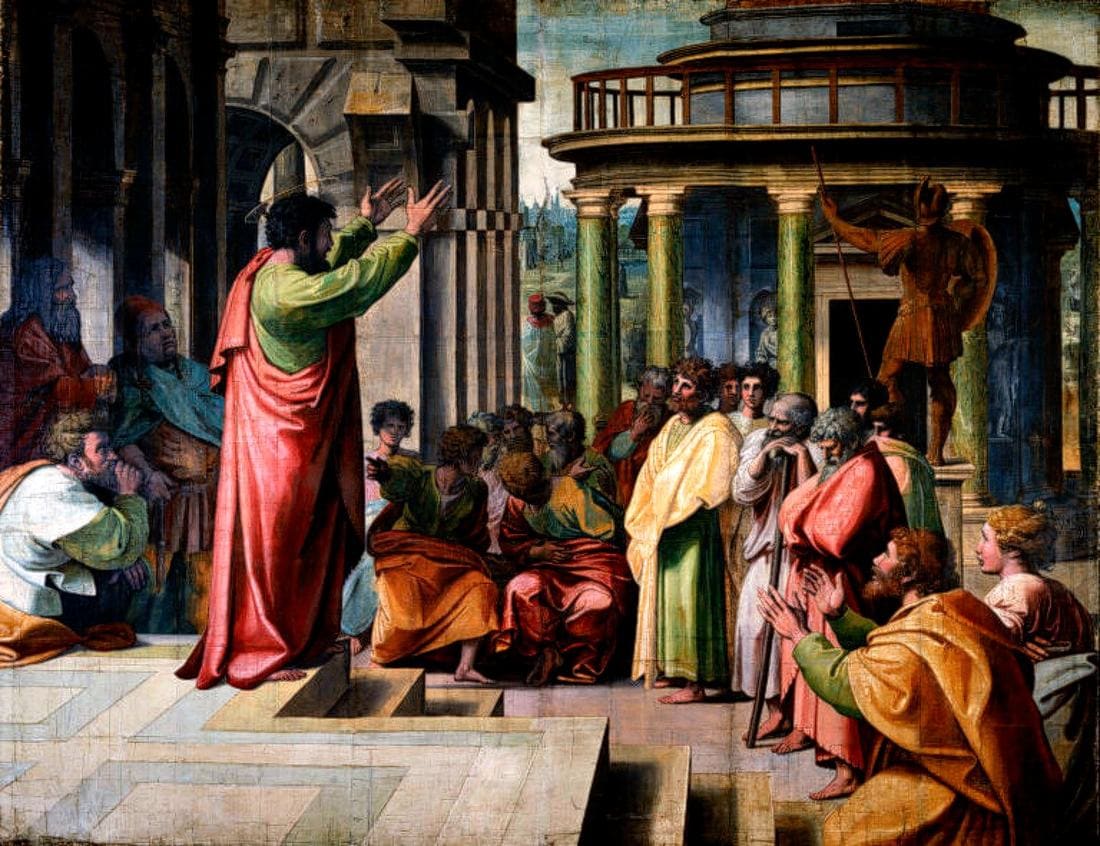
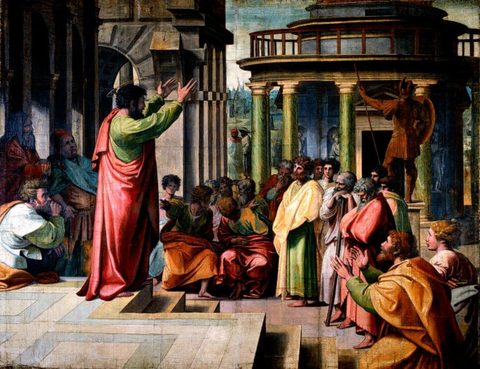
- St Paul Preaching in Athens, Raphael, 1515. Wikimedia Commons, public domain.
- Saint Augustine, Philippe de Champaigne, about 1645-1650. Los Angeles County Museum of Art. Public domain.
- Saint Philip Neri, Sebastiano Conca, 18th century. Private collection.
- Saint Monica, Luis Tristán, 1616. Museo del Prado, Madrid. Public domain.


