
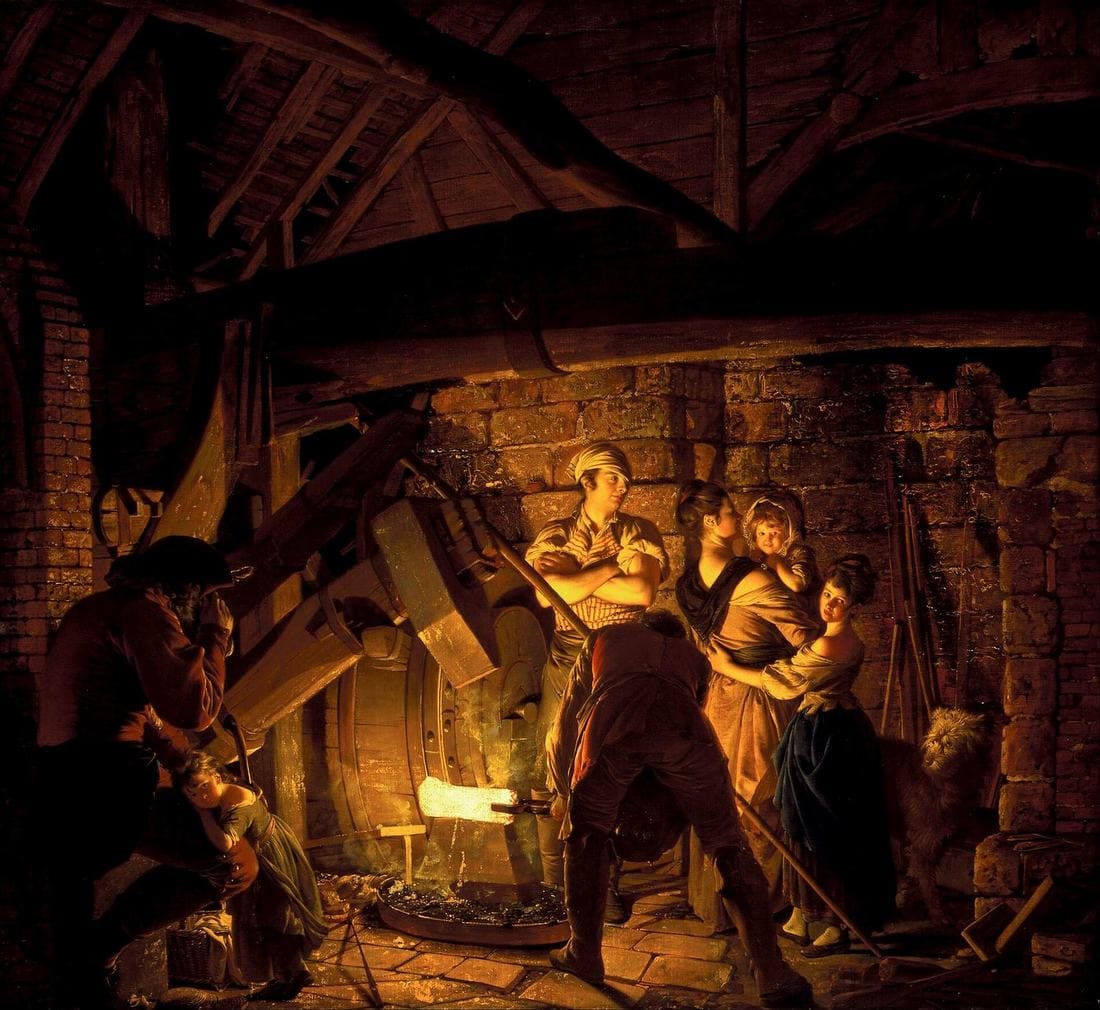
The Forge
Serious by nature, and at your best when there is something to do.
- Serious
- Restless mind
Picture: An Iron Forge, Joseph Wright of Derby, 1772
This is your type. Your type is . See your result
You are serious by nature, and you are at your best with something to do. You feel things deeply, and you would rather act on them than sit with them. Gregory says minds like yours find rest harder than work.
What you bring
- You take people and things seriously.
- You are honest about sorrow.
- You get things done.
What it costs you
- Hurts go deep and stay.
- Heaviness can turn into irritation.
- Rest can feel like losing.
Where the trap is set
A quarrel
Gregory says the tempter studies each person first, then sets the trap right next door. For the cheerful it’s pleasure. For the careful it’s fear. For the proud it’s praise. For the gloomy, it’s a quarrel.
“And because moroseness easily slides into anger, he offers the cup of discord for the morose.”
St Gregory the Great, Moralia on Job
So your temptation rarely looks like temptation. It looks like being right about how badly you have been treated.
The gift in it
Your seriousness is not a flaw to be fixed. Gregory says even the anger that can grow from it is not wasted. Held under reason, it becomes holy zeal.
“For some are possessed by anger, but while they submit this to reason, they convert it into service rendered to holy zeal.”
St Gregory the Great, Moralia on Job
A restless mind
Gregory says some minds are so restless that time off only makes their thoughts worse. They should work hard, and not force themselves into long stretches of stillness.
“there be some so restless, that if they have cessation from labour, they have only the worse labour”
St Gregory the Great, Moralia on Job
Who else was like this
 St John Chrysostom
 A friend from his youth called him irritable, and an admiring historian says it was his nature to rebuke wrongdoing. He preached so hard against the powerful that he died in exile.
Socrates and Sozomen, Church Histories St Jerome
 The great translator of the Bible was a fighter by his own account. He wrote that in an argument he threw himself into the thick of it.
Jerome, Letter 48Its opposite
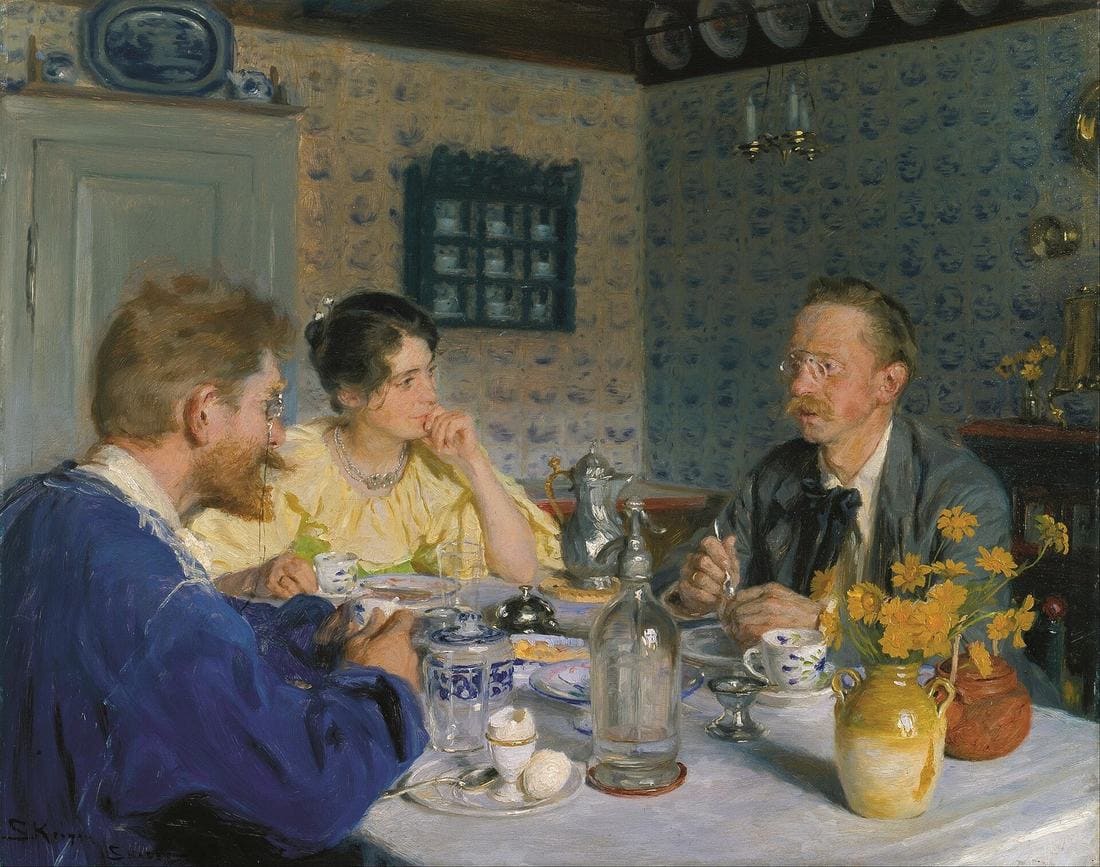
The Hearth
Light-hearted, and at your best when life is quiet.
-
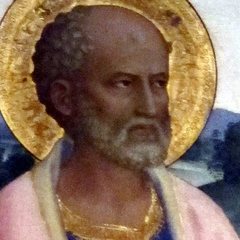 St Barnabas The Hearth
 -
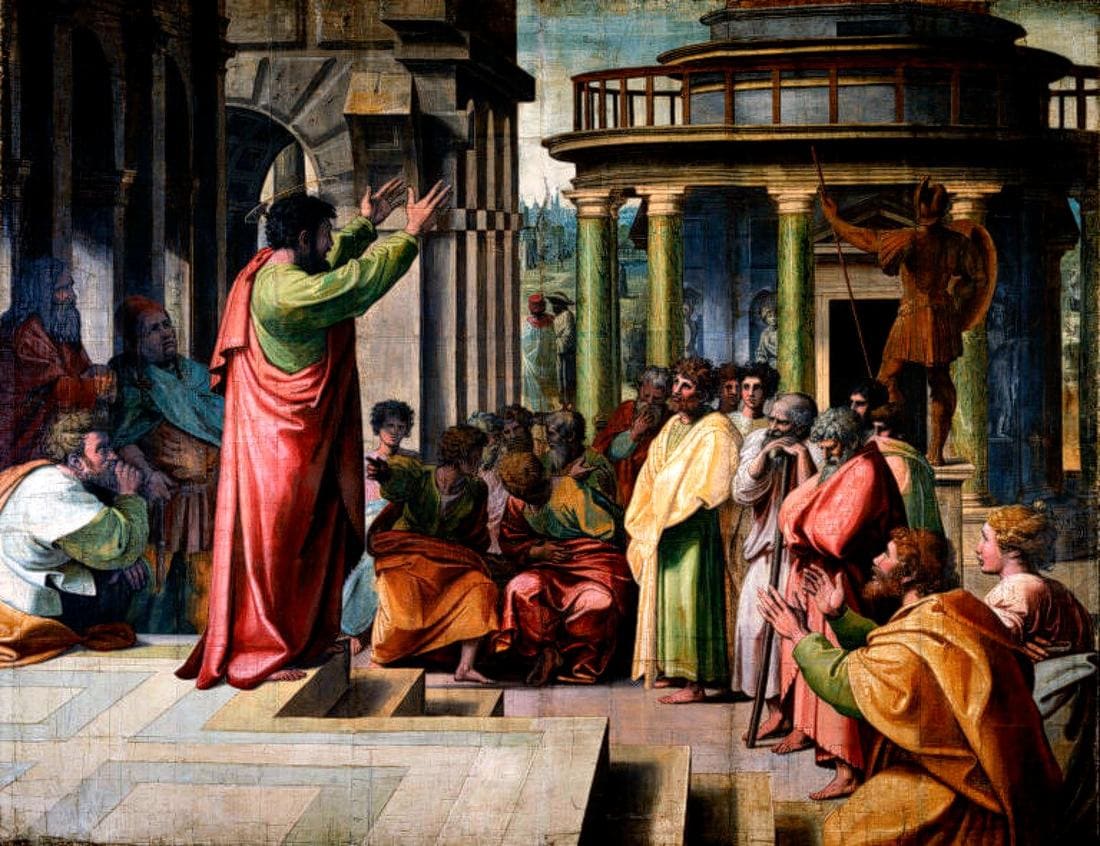
 St Paul The Forge
When the church in Jerusalem was still afraid of Saul, Barnabas, the “Son of Encouragement”, brought him to the apostles. Later the two fell out over young Mark, who had once left them. Barnabas wanted to give him a second chance. Paul would not. “Their disagreement was so sharp that they parted company.” Years later Paul wrote, “Get Mark and bring him with you, because he is useful to me in the ministry.” Both are saints.
Acts 4:36; 9:27; 15:36-40; 2 Timothy 4:11
See the Hearth“the one was more tender and indulgent, but this one more strict and austere”
St John Chrysostom, on Barnabas and Paul, Homilies on Acts
All eight types
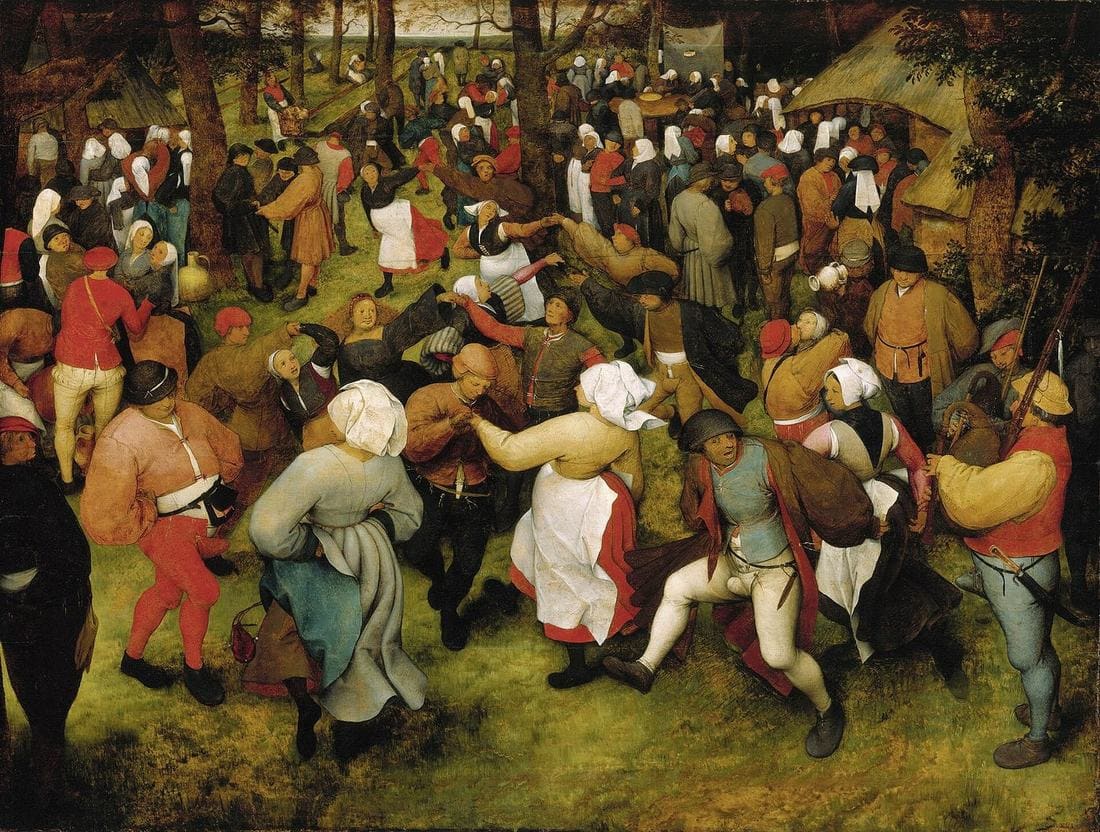
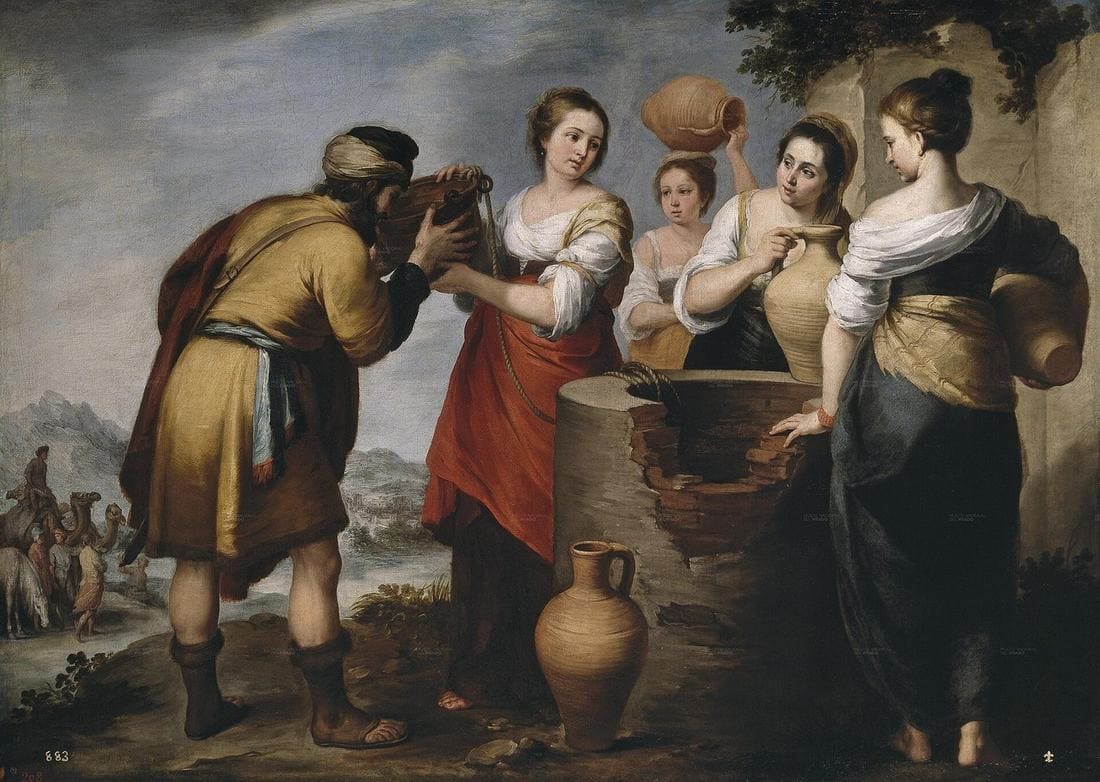
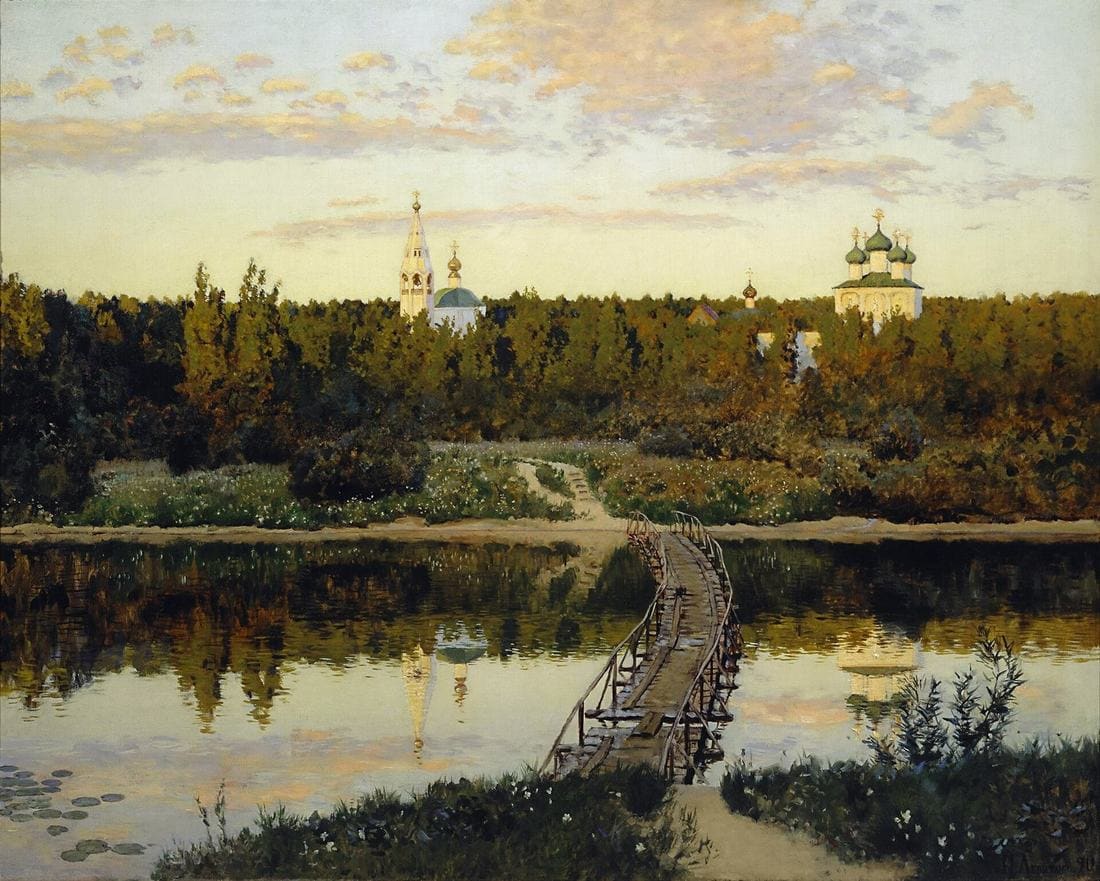
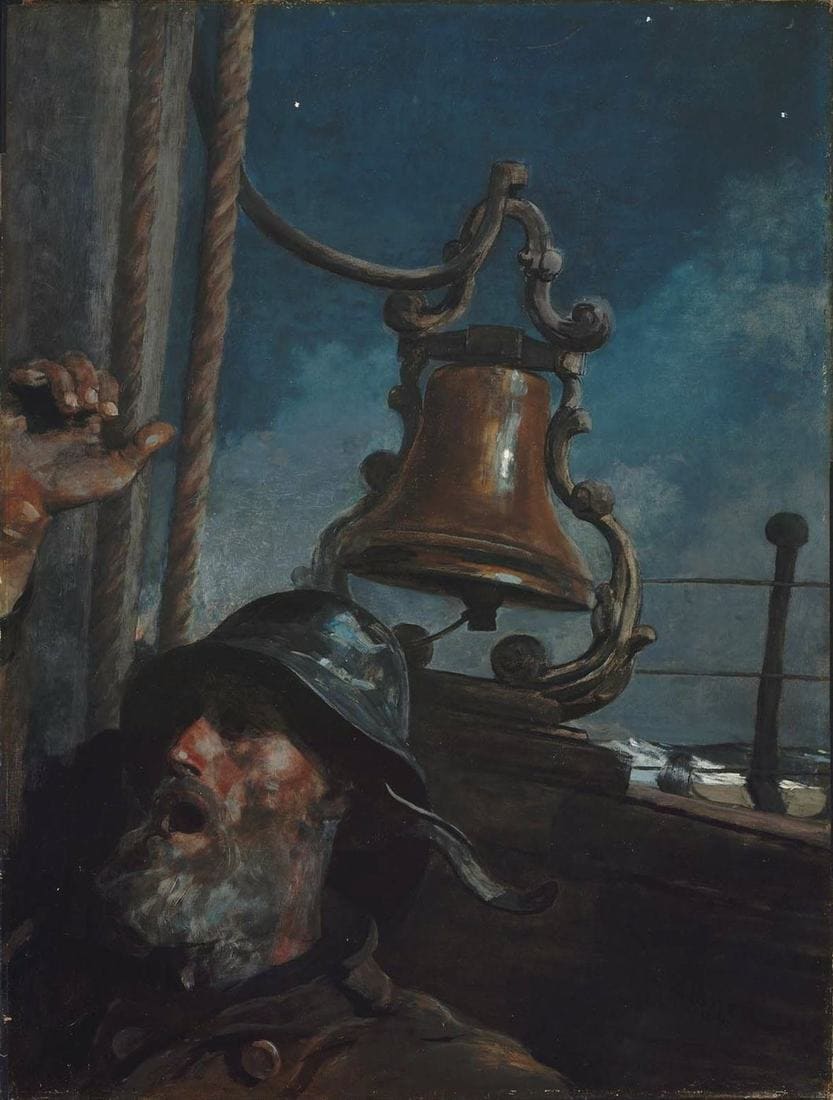
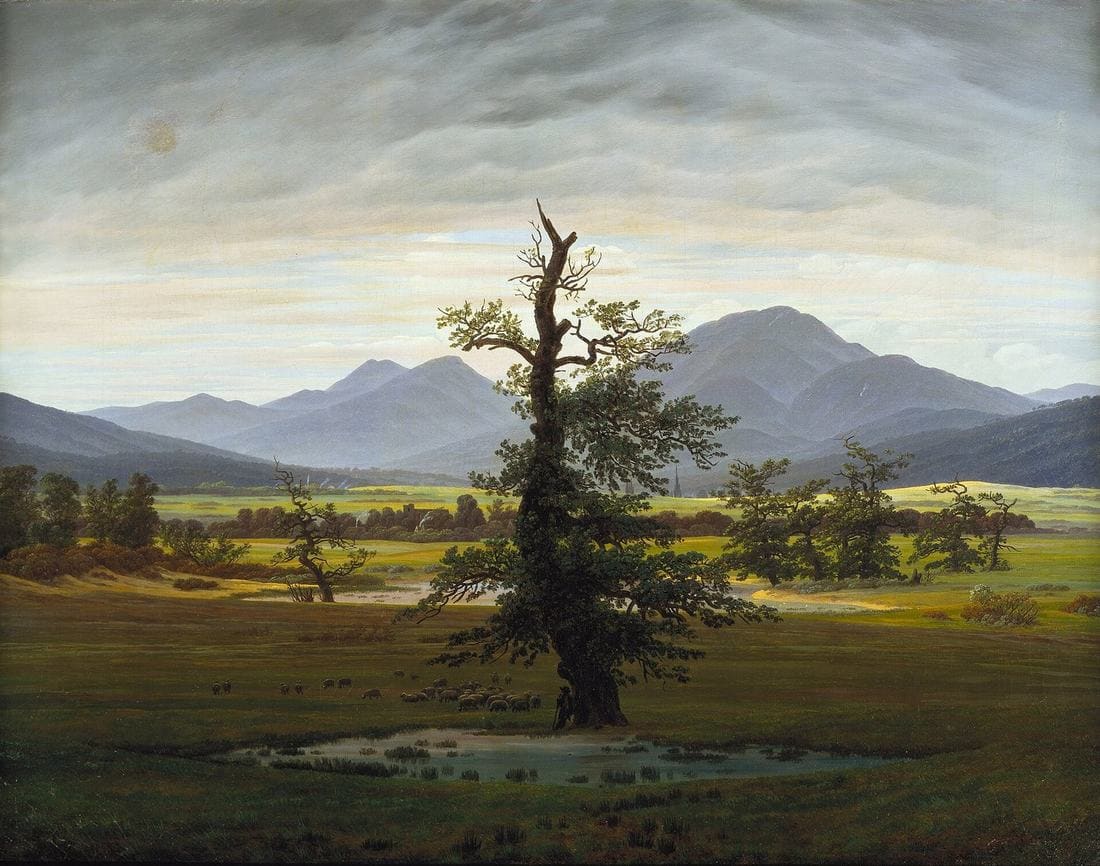
All eight types, and how St Gregory sorted them.
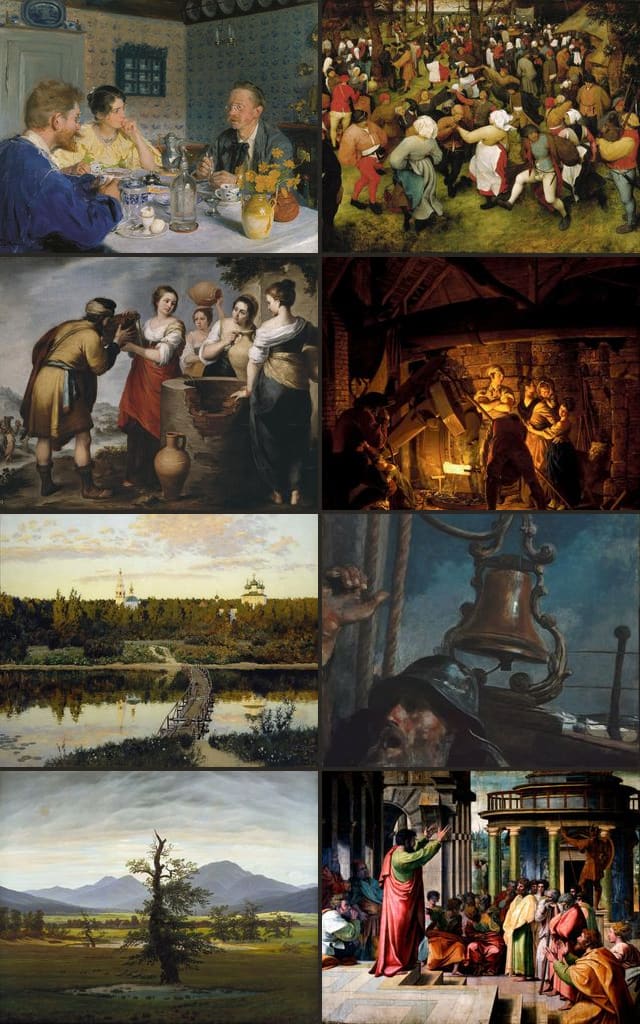
Picture credits
- A Luncheon: the artist, his wife and the writer Otto Benzon, Peder Severin Krøyer, 1893. Wikimedia Commons, public domain.
- The Wedding Dance, Pieter Bruegel the Elder, c. 1566. Wikimedia Commons, public domain.
- Rebecca and Eliezer, Bartolomé Esteban Murillo, c. 1660. Wikimedia Commons, public domain.
- An Iron Forge, Joseph Wright of Derby, 1772. Wikimedia Commons, public domain.
- Quiet Abode, Isaac Levitan, 1890. Wikimedia Commons, public domain.
- The Lookout – “All's Well”, Winslow Homer, 1896. Wikimedia Commons, public domain.
- The Lonely Tree, Caspar David Friedrich, 1822. Wikimedia Commons, public domain.
- St Paul Preaching in Athens, Raphael, 1515. Wikimedia Commons, public domain.


.jpg)
Suggest a correction. Corrections that are applied are recorded in the public changelog.