
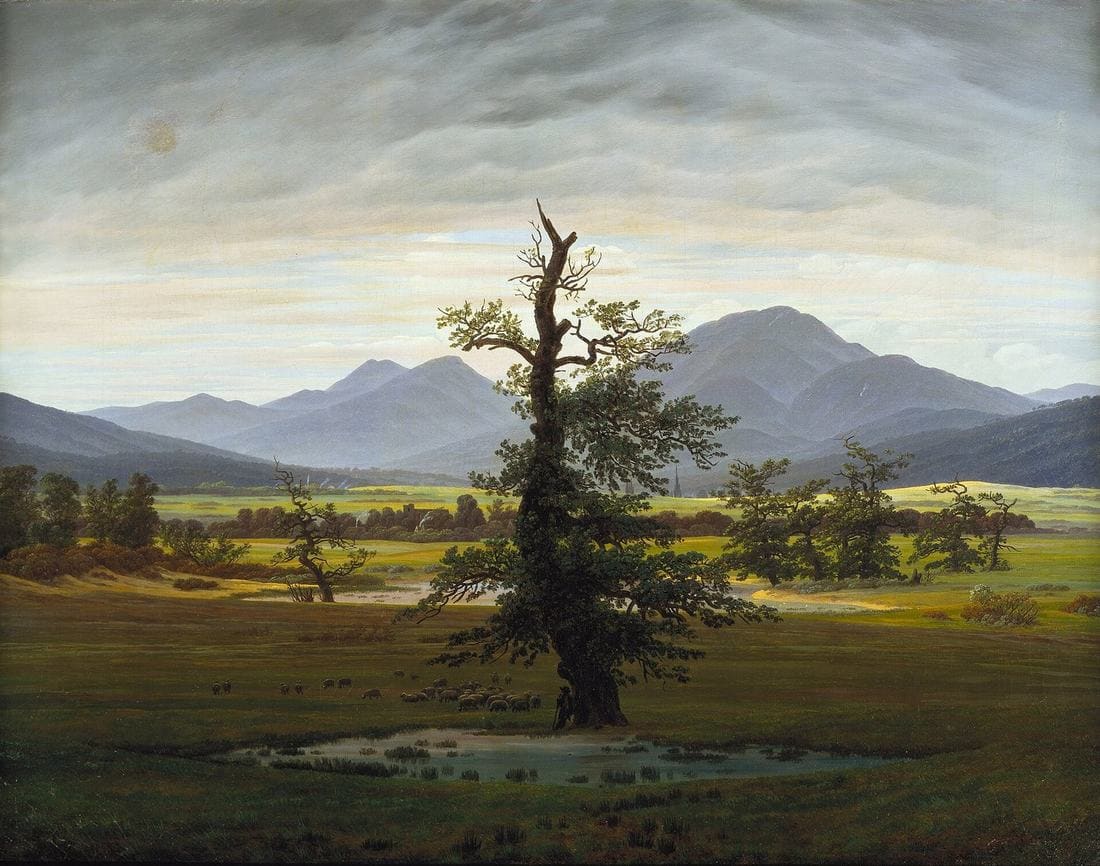
The Oak
Sure of yourself, and at your best when life is quiet.
- Confident
- Quiet mind
Picture: The Lonely Tree, Caspar David Friedrich, 1822
This is your type. Your type is . See your result
You are sure of yourself, and you are at your best when life is quiet. You do not need the room’s attention.
What you bring
- You step up when others hang back.
- You are hard to rattle.
- You think best in quiet.
What it costs you
- It can be hard for anyone to correct you.
- Praise can steer you.
- A crowded week wears you down fast.
Where the trap is set
Praise
Gregory says the tempter studies each person first, then sets the trap right next door. For the cheerful it’s pleasure. For the gloomy it’s a quarrel. For the careful it’s fear. For the proud, it’s praise.
“And because he beholds the proud elated with praises, he draws them on to whatever he pleases, by flattering applause.”
St Gregory the Great, Moralia on Job
So your temptation rarely looks like temptation. It looks like applause. Whoever praises you can steer you.
The gift in it
Your confidence is not a flaw to be crushed. Bowed before God, it becomes the courage to speak up for what is right.
“Some are lifted up by pride. But whilst they bow down the mind to the fear of God, they change this into the free tone of unrestrained authority in defence of justice.”
St Gregory the Great, Moralia on Job
A quiet mind
Gregory says some minds are so quiet that a sudden pile of business buries them before they start. They should not overload themselves. But quiet can hide faults as well as heal them, so they still need people.
“there are some of such inactivity of mind, that, if the labours of business fall upon them, they give way at the very beginning of their work”
St Gregory the Great, Moralia on Job
Who else was like this
 St Martin of Tours
 At court everyone flattered the emperor, and the bishops gave way. But “in Martin alone, apostolic authority continued to assert itself.” No one ever saw him angry or excited: “he was always one and the same.” When crowds of visitors grew too much for him, he moved to a hidden cell outside the city.
Sulpicius Severus, Life of St Martin St Benedict
 As a young man he ran from praise and lived three years alone in a cave. When his own monks tried to poison him, he faced them “with a mild countenance and quiet mind”. When a raging Goth shouted at him to get up, the Goth ended at his feet, and Benedict “rose not up from his reading”.
St Gregory the Great, Dialogues St John the Baptist
 He lived in the wilderness until the day he began to preach. Jesus asked the crowds if they had gone out to see “a reed swaying in the wind”. St Gregory says a reed bends to praise or blame, but “no variety of circumstance bent him from his uprightness”.
Luke 1:80; Matthew 11:7; St Gregory the Great, Homilies on the GospelsIts opposite
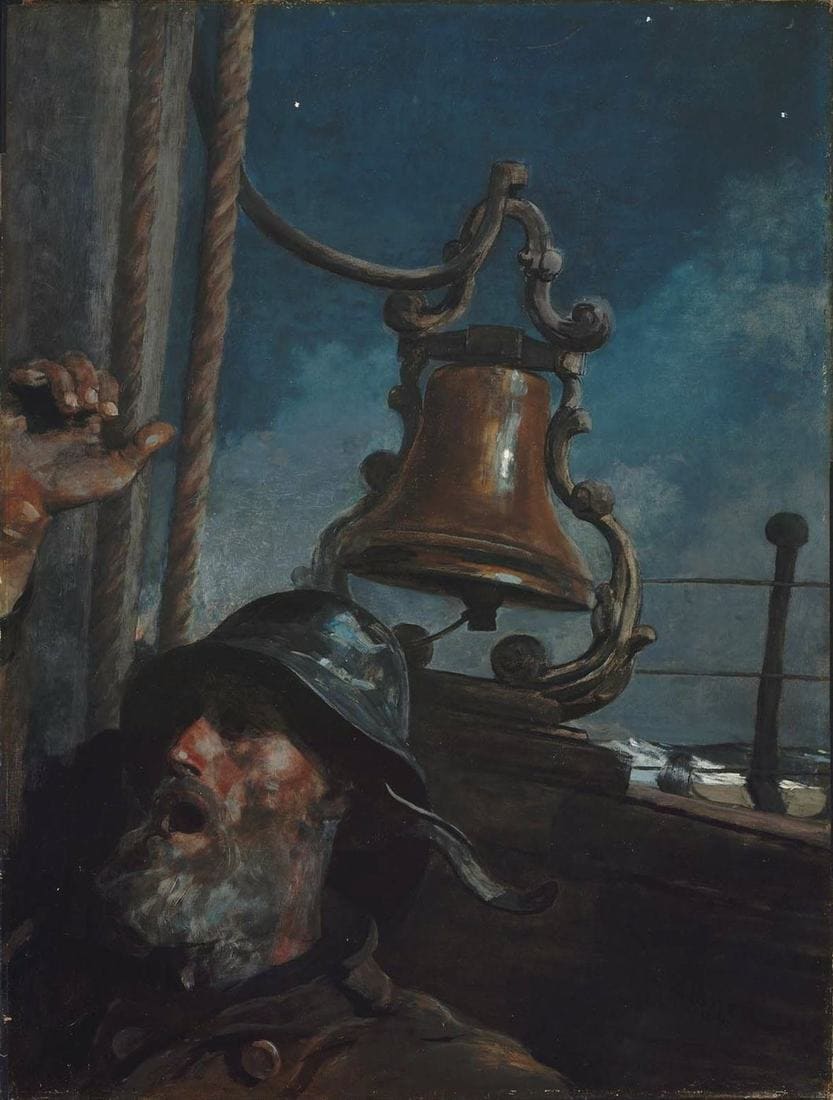
The Lookout
Careful by nature, and at your best when there is something to do.
-
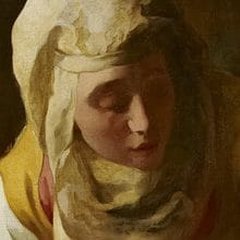 St Martha The Lookout
 -
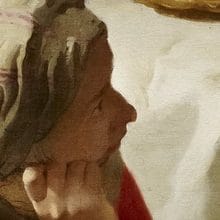 St Mary of Bethany The Oak
When Jesus came to their home, Martha was busy with all the preparations. Her sister Mary sat at His feet and listened. Martha asked Him to tell Mary to help. He said, “you are worried and upset about many things,” and that Mary “has chosen the good portion”. When their brother died, it was Martha who went out to meet Him, while Mary stayed at home. John writes, “Now Jesus loved Martha and her sister and Lazarus.” Both are saints.
Luke 10:38-42; John 11:5, 20
See the Lookout“let all be eye or all head: will not the body perish?”
St John Chrysostom, on 1 Corinthians
All eight types
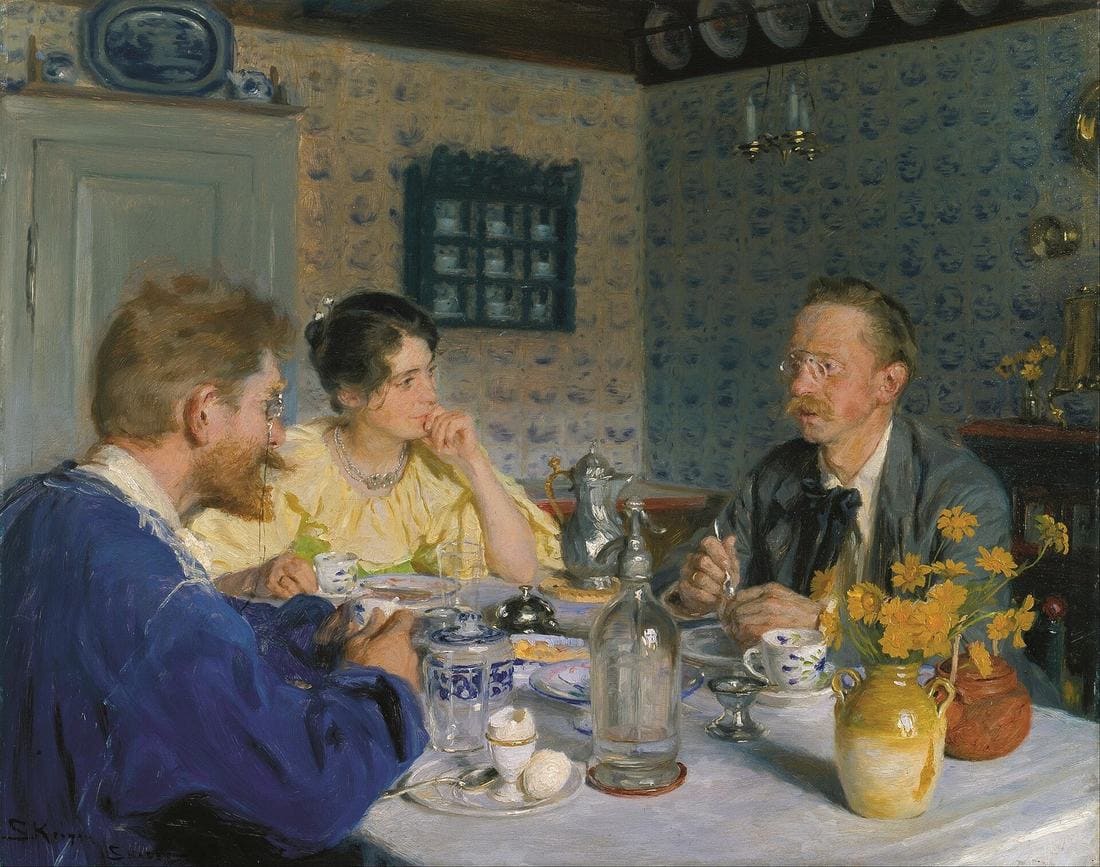
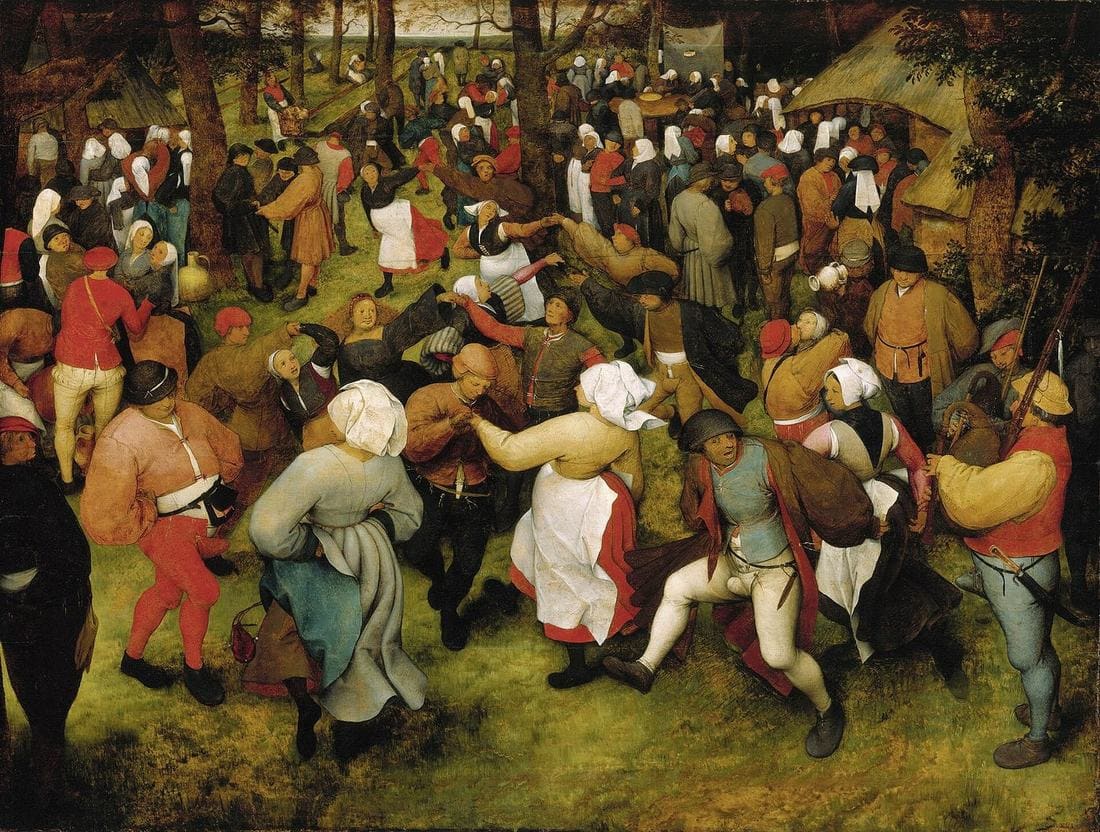
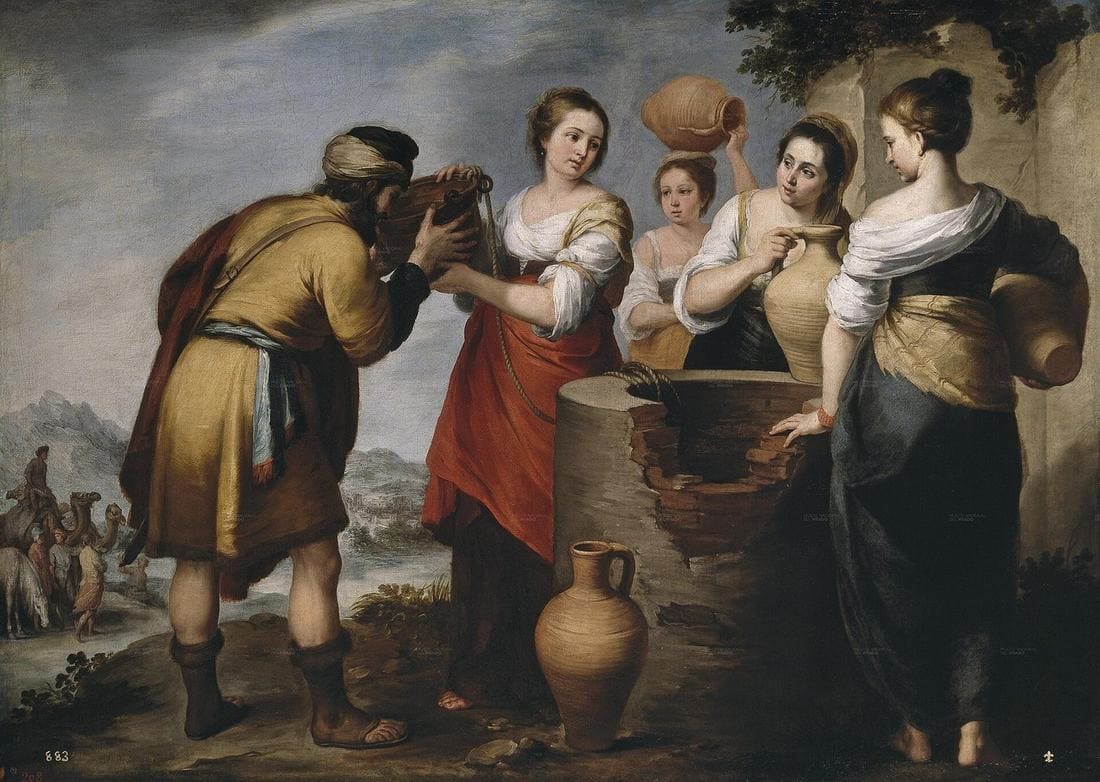
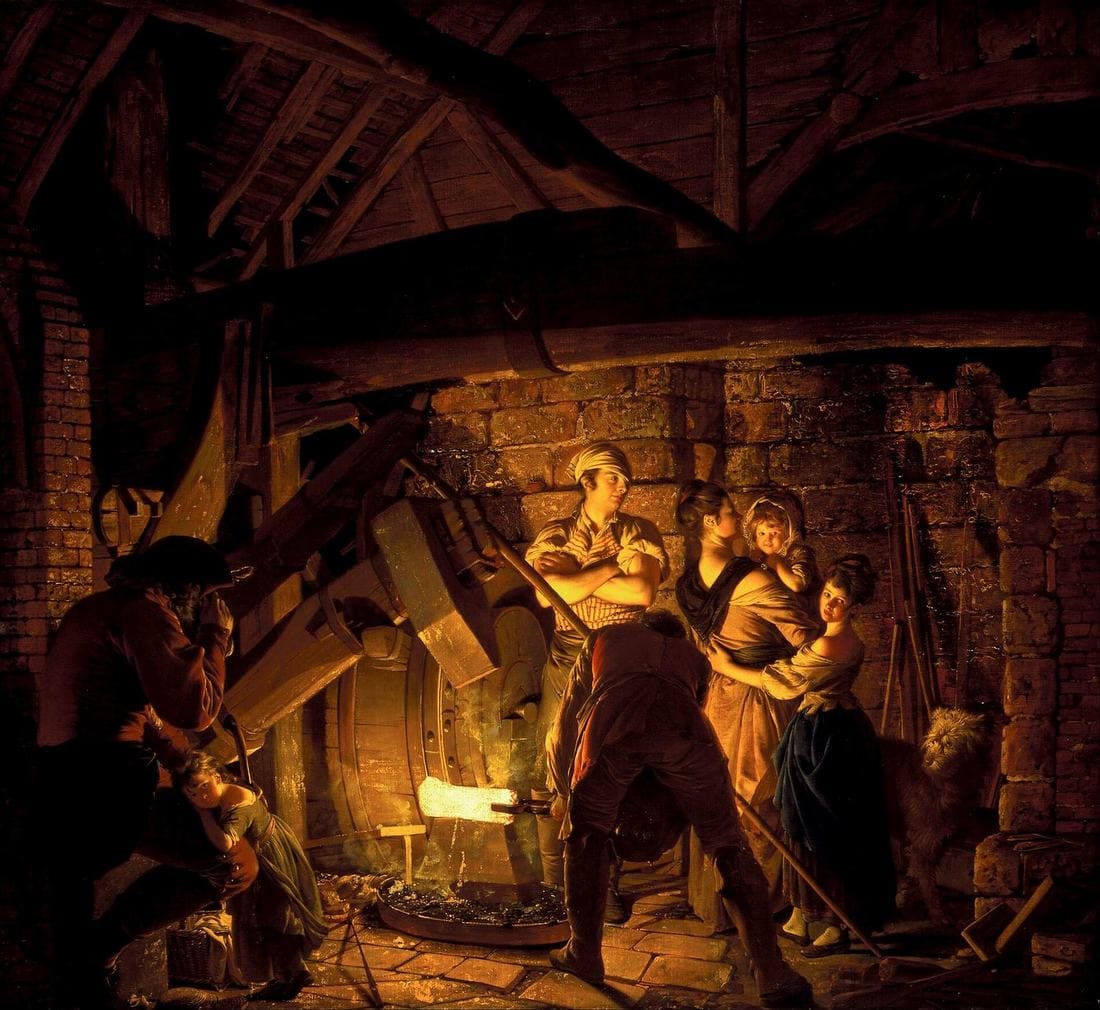
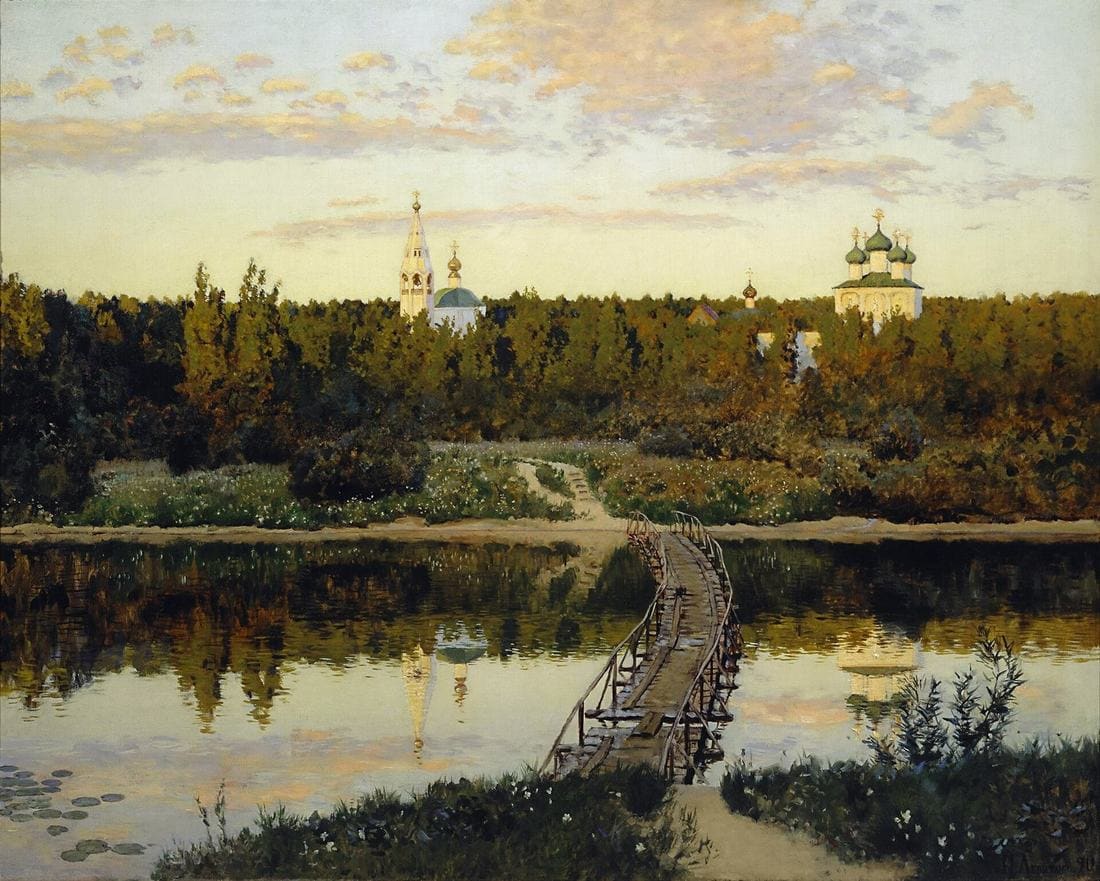
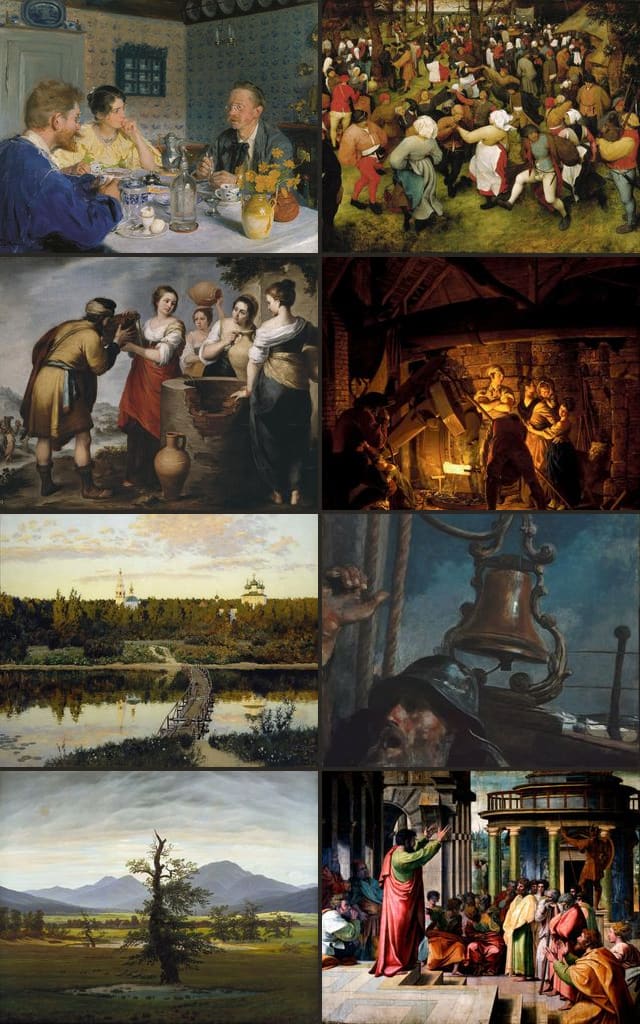
All eight types, and how St Gregory sorted them.
Picture credits
- A Luncheon: the artist, his wife and the writer Otto Benzon, Peder Severin Krøyer, 1893. Wikimedia Commons, public domain.
- The Wedding Dance, Pieter Bruegel the Elder, c. 1566. Wikimedia Commons, public domain.
- Rebecca and Eliezer, Bartolomé Esteban Murillo, c. 1660. Wikimedia Commons, public domain.
- An Iron Forge, Joseph Wright of Derby, 1772. Wikimedia Commons, public domain.
- Quiet Abode, Isaac Levitan, 1890. Wikimedia Commons, public domain.
- The Lookout – “All's Well”, Winslow Homer, 1896. Wikimedia Commons, public domain.
- The Lonely Tree, Caspar David Friedrich, 1822. Wikimedia Commons, public domain.
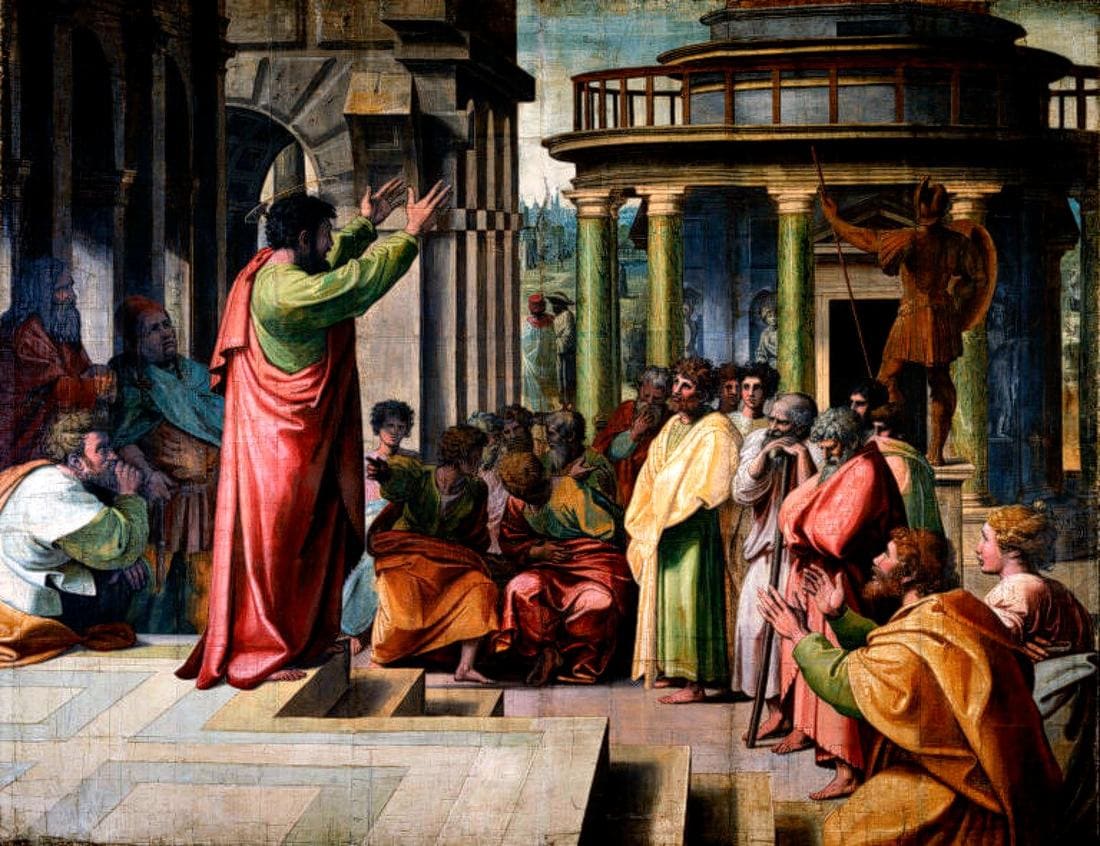
- St Paul Preaching in Athens, Raphael, 1515. Wikimedia Commons, public domain.
- Christ in the House of Martha and Mary, Scottish National Gallery, Edinburgh, Johannes Vermeer, c. 1654–1655. Wikimedia Commons, public domain.


.jpg)
_Vermeer_-_Christ_in_the_House_of_Martha_and_Mary_-_Google_Art_Project.jpg)
Suggest a correction. Corrections that are applied are recorded in the public changelog.