
The Herald
Sure of yourself, and at your best when there is something to do.
- Confident
- Restless mind
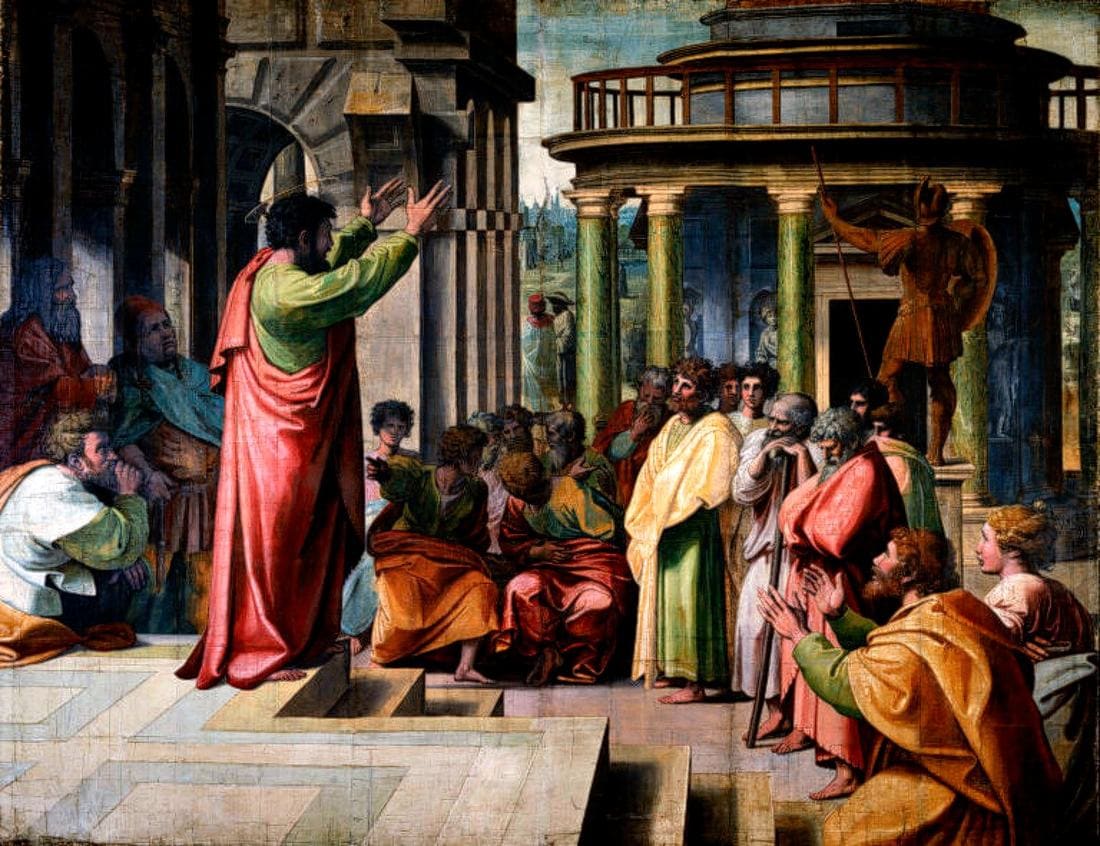
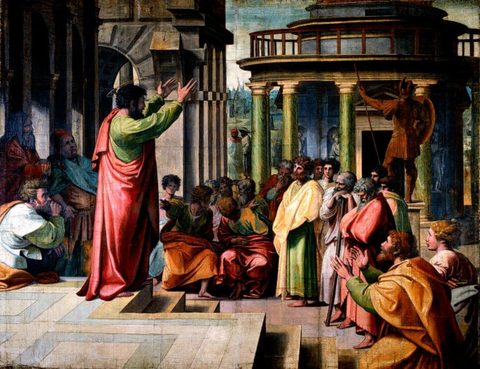
Picture: St Paul Preaching in Athens, Raphael, 1515
This is your type. Your type is . See your result
You are sure of yourself, and you are at your best with something to do. You like to be where things are happening.
What you bring
- You trust yourself with a big new task.
- You look at something new and see how well it could go.
- You come alive when there is plenty to do.
What it costs you
- You can miss what could go wrong.
- Praise can steer you.
- Rest can feel like losing.
Where the trap is set
Praise
St Gregory the Great says the tempter first studies each person’s temperament. Then he tempts them with the fault that lies closest to it. For the cheerful it’s pleasure. For the gloomy it’s a quarrel. For the careful it’s fear. For the proud, it’s praise.
“And because he beholds the proud elated with praises, he draws them on to whatever he pleases, by flattering applause.”
St Gregory the Great, Moralia on Job
So your temptation rarely looks like temptation. It looks like applause. Whoever praises you can steer you.
The gift in it
Your confidence is not a flaw to be crushed. Bowed before God, it becomes the courage to speak up for what is right.
“Some are lifted up by pride. But whilst they bow down the mind to the fear of God, they change this into the free tone of unrestrained authority in defence of justice.”
St Gregory the Great, Moralia on Job
A restless mind
Gregory says some minds are so restless that time off only makes their thoughts worse. They should work hard, and not force themselves into long stretches of stillness.
“there be some so restless, that if they have cessation from labour, they have only the worse labour”
St Gregory the Great, Moralia on Job
Who else was like this
 Isaiah
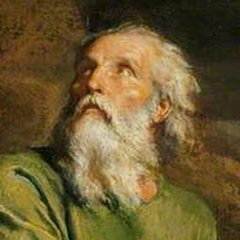
When God asked, “Whom shall I send?”, he did not wait to be asked twice: “Here am I. Send me!”
Isaiah 6:8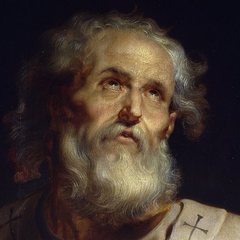 St Peter
“Even if all fall away on account of You, I never will,” he said. That same night he denied Christ three times. Then he wept, came back, and led the Church.
Matthew 26:33, 75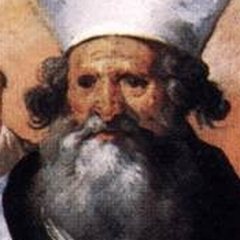 St Basil the Great, as a young man
His brother, St Gregory of Nyssa, says Basil came home from university a practiced speaker, and very proud of it. He thought himself above the leading men of his town. Then his sister Macrina took him in hand. He gave up the fame his speaking could win, gave away his property, and took up a busy life of work with his hands. His brother adds that Basil’s later life made him famous across the world for his goodness.
Gregory of Nyssa, Life of MacrinaIts opposite
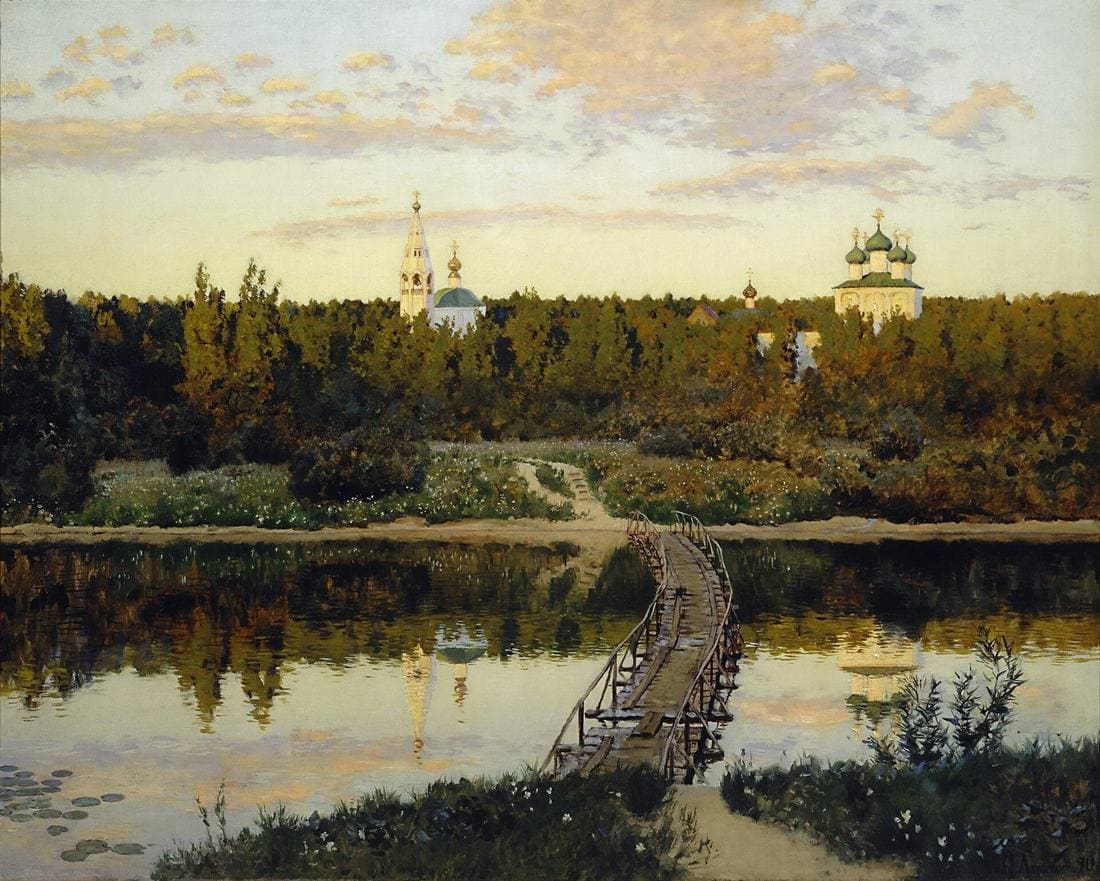
The Still Water
Careful by nature, and at your best when life is quiet.
-
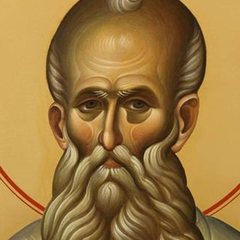 St Gregory the Theologian The Still Water
- St Basil the Great The Herald
St Gregory the Theologian and St Basil the Great met as students in Athens. Years later Basil was archbishop of Caesarea. He was in a long quarrel with a bishop named Anthimus over who led the churches of their region. To strengthen his hand, Basil all but forced Gregory to become bishop of Sasima, a poor little village. Anthimus sent troops to hold it. Basil wanted Gregory to fight for it. Gregory would not. He wrote to Basil, “Give me before all things quiet.” Still, in his funeral speech for Basil, Gregory said of their student days, “We seemed to have one soul, inhabiting two bodies.” Both are saints.
St Gregory the Theologian, Oration 43 and Letter 48
See the Still Water“let all be eye or all head: will not the body perish?”
St John Chrysostom, on 1 Corinthians
All eight types
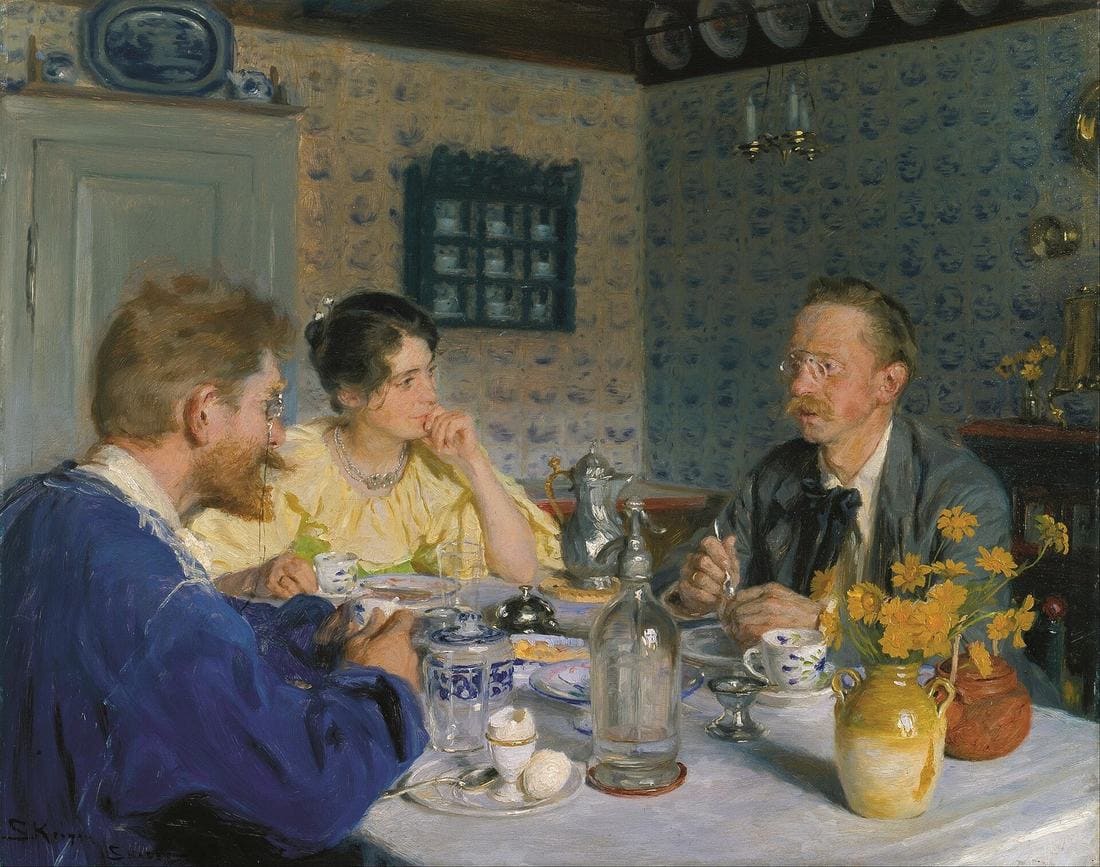
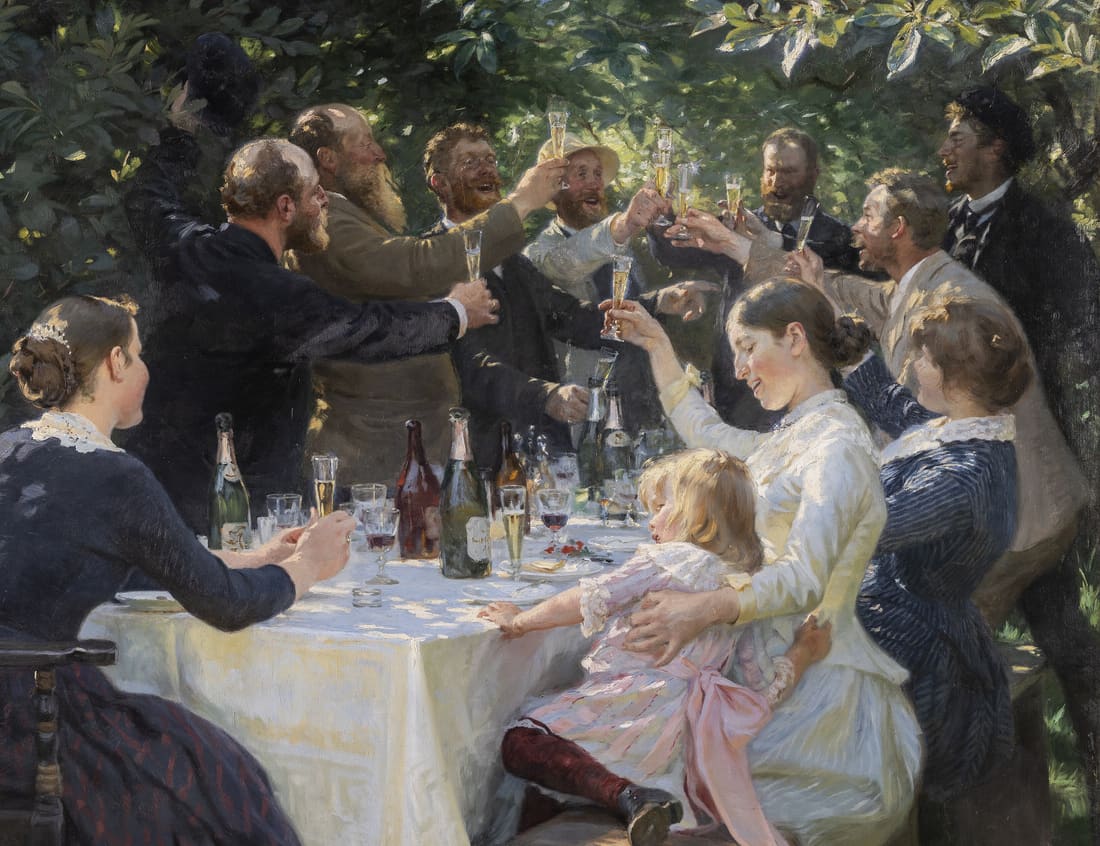
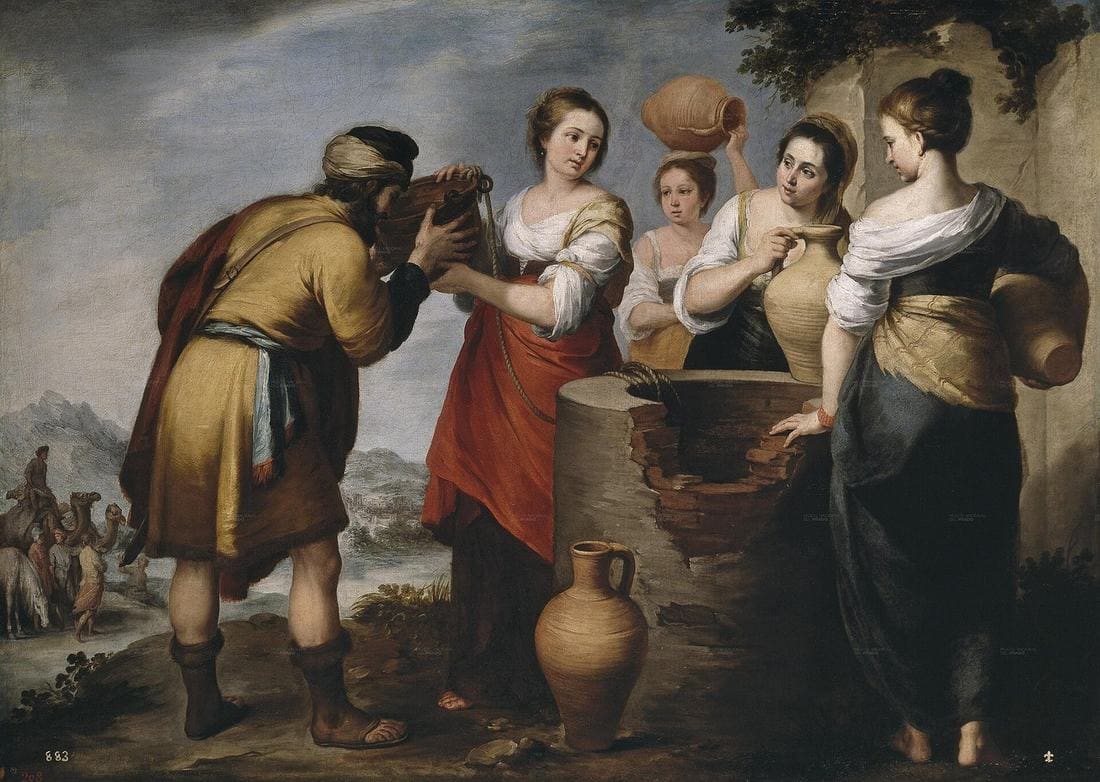
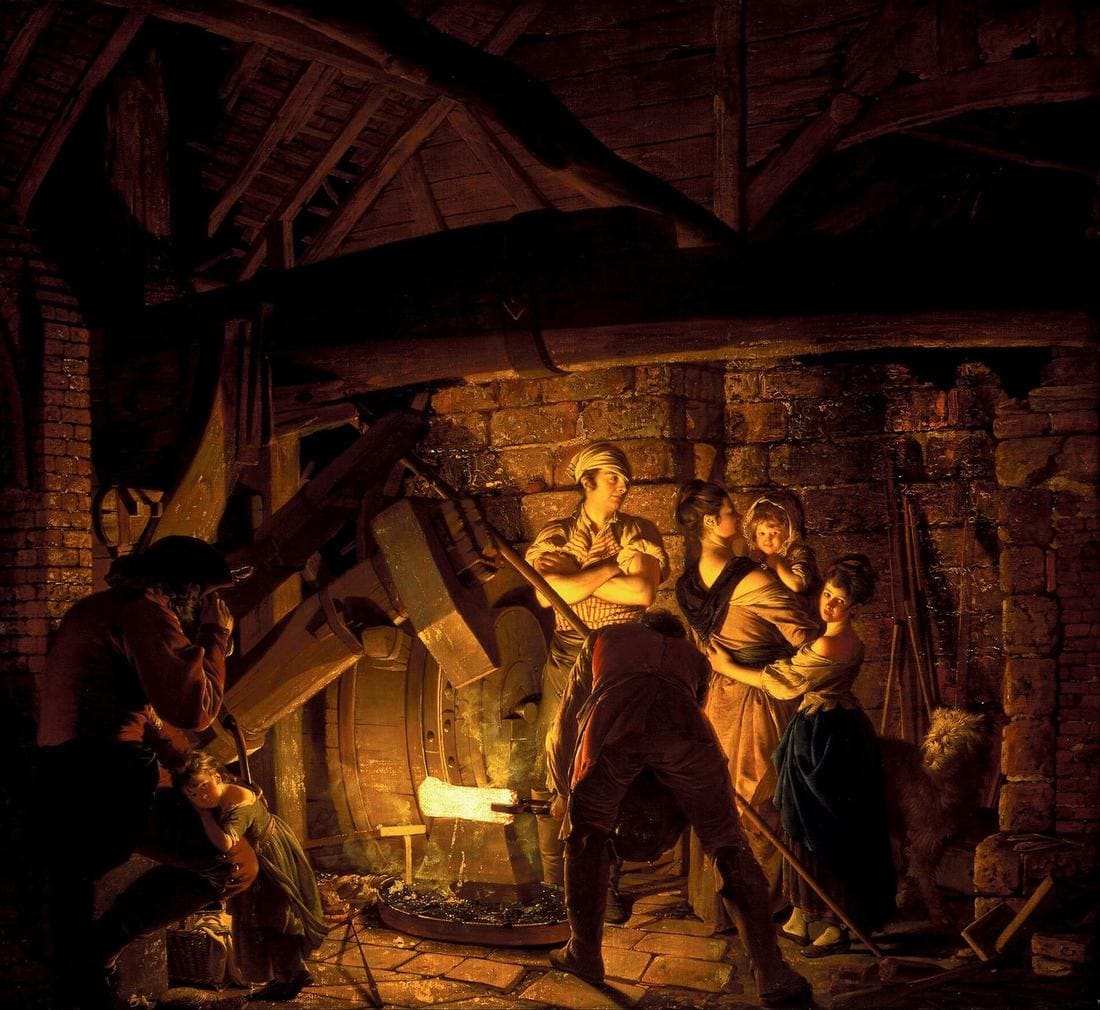
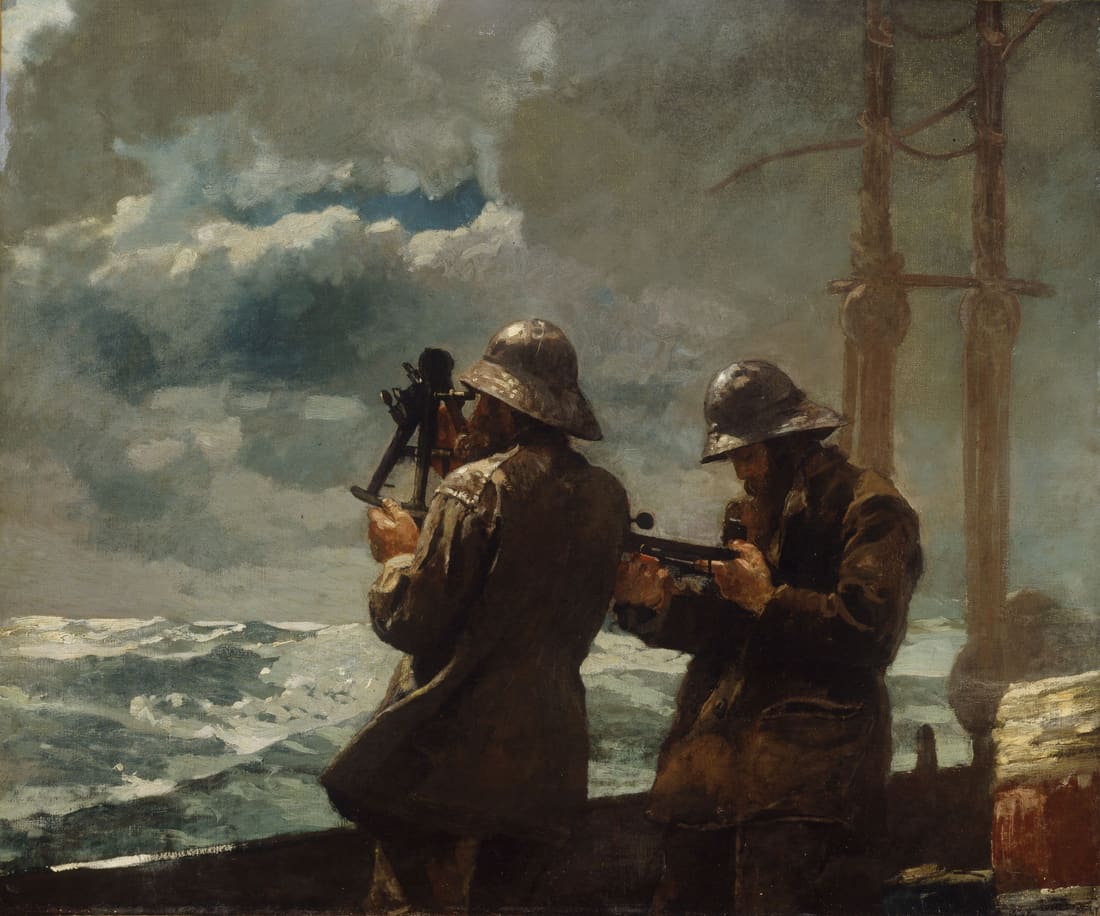
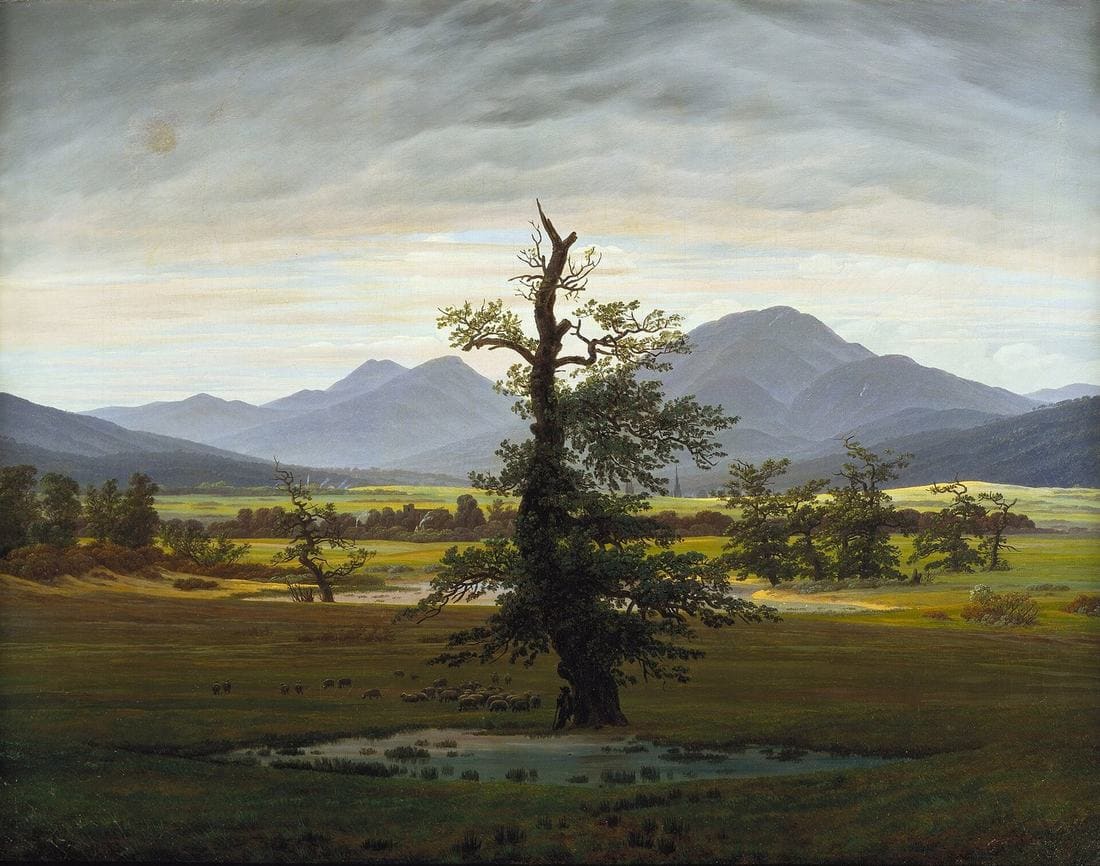
All eight types, and how St Gregory sorted them.
Picture credits
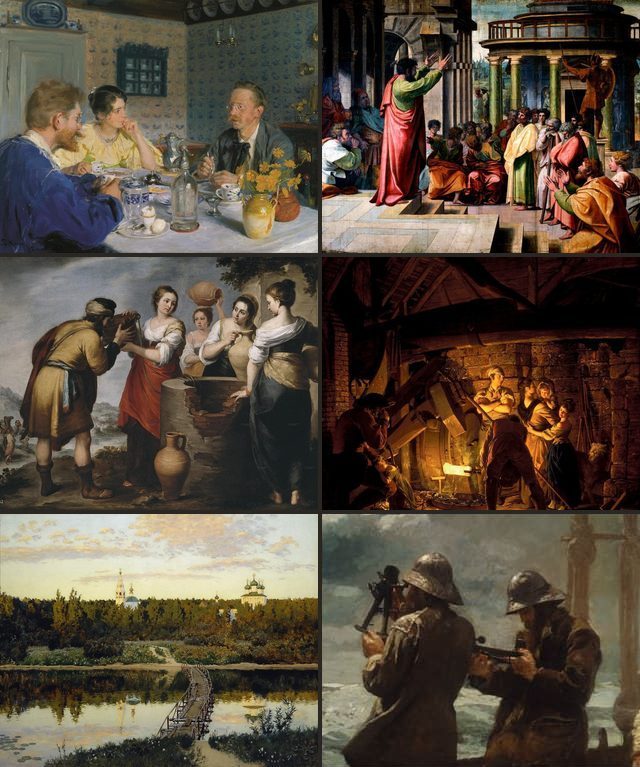
- A Luncheon: the artist, his wife and the writer Otto Benzon, Peder Severin Krøyer, 1893. Wikimedia Commons, public domain.
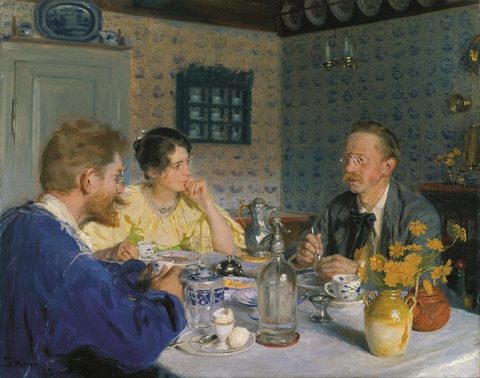
- Hip, Hip, Hurrah! Artists' Party, Skagen, Peder Severin Krøyer, 1888. Wikimedia Commons, CC BY 4.0, Gothenburg Museum of Art.
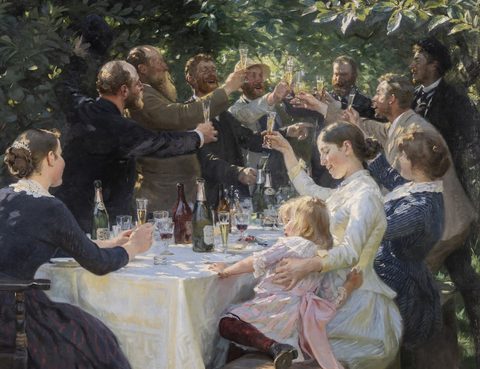
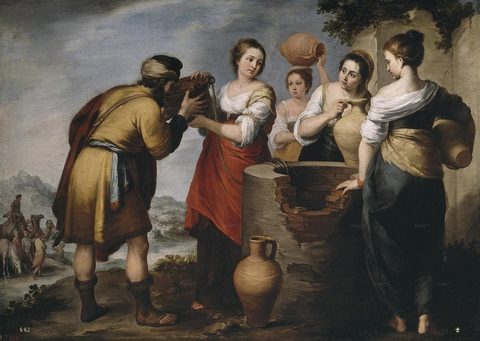
- Rebecca and Eliezer, Bartolomé Esteban Murillo, c. 1660. Wikimedia Commons, public domain.
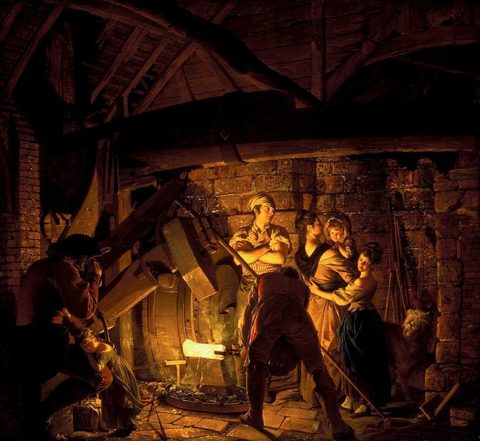
- An Iron Forge, Joseph Wright of Derby, 1772. Wikimedia Commons, public domain.
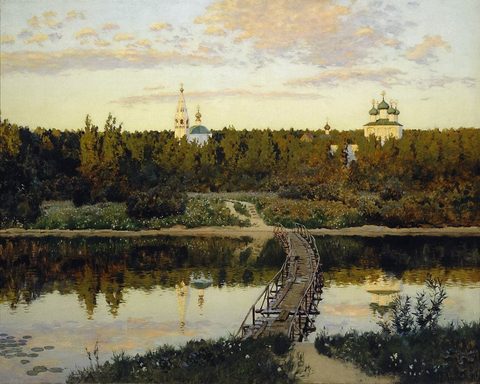
- Quiet Abode, Isaac Levitan, 1890. Wikimedia Commons, public domain.
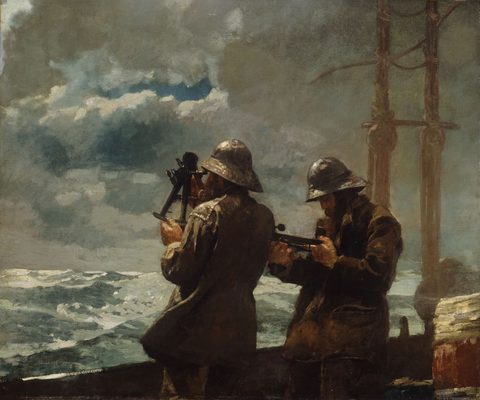
- Eight Bells, Winslow Homer, 1886. Wikimedia Commons, public domain.
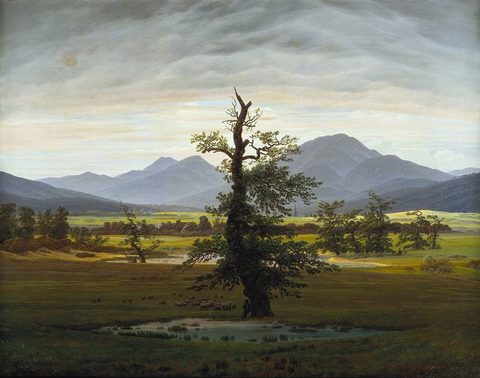
- The Lonely Tree, Caspar David Friedrich, 1822. Wikimedia Commons, public domain.
- St Paul Preaching in Athens, Raphael, 1515. Wikimedia Commons, public domain.
- Saint Gregory the Theologian, an icon. Alchetron, public domain.
- Isaiah, Jean-Louis-Ernest Meissonier, 1838. The Wallace Collection, London.
- Saint Peter as Pope, Peter Paul Rubens, about 1610 to 1612. Museo del Prado, Madrid. Public domain.
- Saint Basil Dictating His Doctrine, Francisco de Herrera the Elder, about 1639. Musée du Louvre, Paris. Public domain.


