
The Hearth
Light-hearted, and at your best when life is quiet.
- Cheerful
- Quiet mind
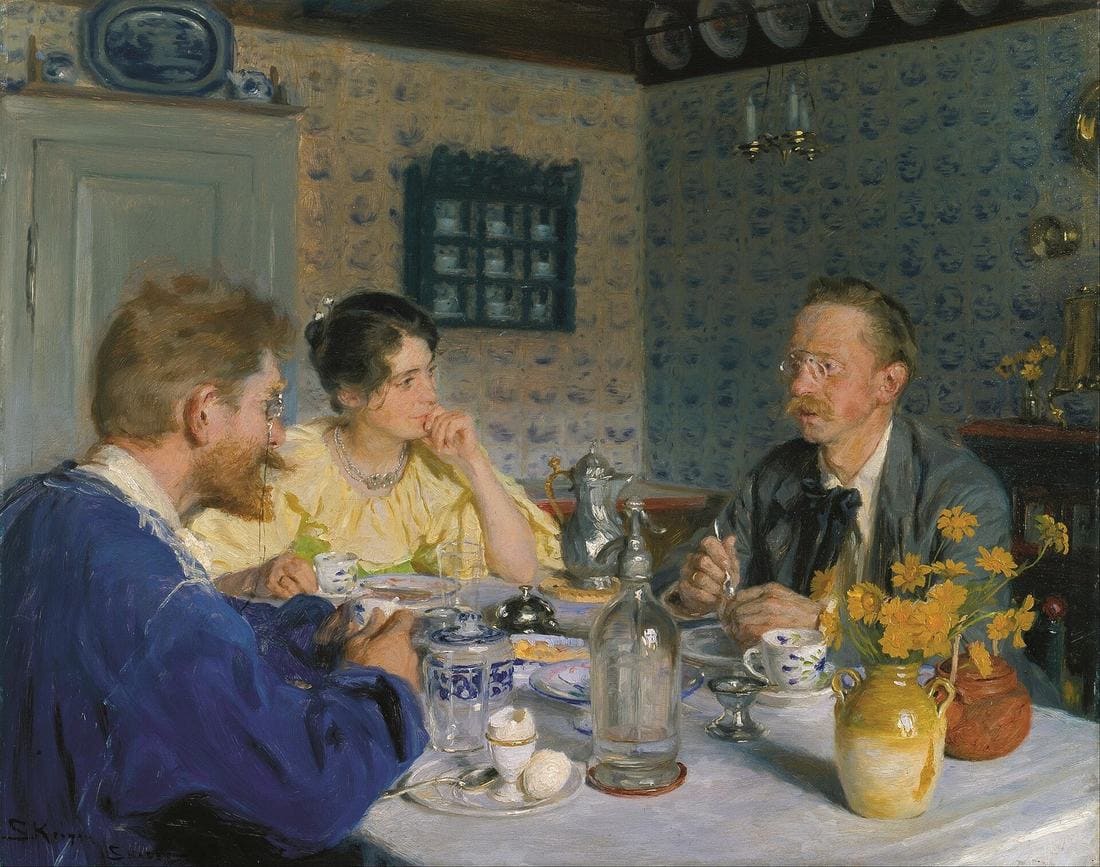
Picture: A Luncheon: the artist, his wife and the writer Otto Benzon, Peder Severin Krøyer, 1893
This is your type. Your type is . See your result
Your mood runs light, and you are at your best when life is quiet. You enjoy things as they come: a meal, a long talk, an evening at home.
What you bring
- You make hard things feel lighter.
- People relax around you.
- You think best in quiet.
What it costs you
- You can skip past what is wrong.
- Pleasure can quietly become the point.
- A crowded week wears you down fast.
Where the trap is set
Pleasure
Gregory says the tempter studies each person first, then sets the trap right next door. For the gloomy it’s a quarrel. For the careful it’s fear. For the proud it’s praise. For the cheerful, it’s pleasure.
“pleasure borders on mirth”
St Gregory the Great, Moralia on Job
So your temptation rarely looks like temptation. It looks like a good time: one more helping, one more episode, one more thing you enjoy a little too much.
The gift in it
Your gladness is a gift. Kept close to God, it becomes the joy Christ promised, the kind nobody can take from you.
“I will see you again, and your heart shall rejoice, and your joy no man shall take from you”
Christ, quoted by Gregory in the Pastoral Rule
A quiet mind
Gregory says some minds are so quiet that a sudden pile of business buries them before they start. They should not overload themselves. But quiet can hide faults as well as heal them, so they still need people.
“there are some of such inactivity of mind, that, if the labours of business fall upon them, they give way at the very beginning of their work”
St Gregory the Great, Moralia on Job
Who else was like this
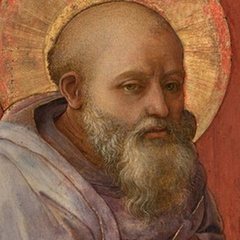 St Antony the Great
 He spent twenty years alone in the desert. When he came out, Athanasius says, his friends were amazed at how settled he was, and his face was cheerful because his soul was at peace.
Athanasius, Life of Antony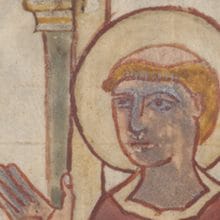 St Cuthbert
 Bede says he was “affable and pleasant in his character”, and spoke “with cheerful and soothing language, as he was accustomed”. He had long wanted “the secrecy of solitude”, and at last he lived alone on the island of Farne. Made a bishop, he went back after two years to “his much-loved solitude”.
Bede, Life of St Cuthbert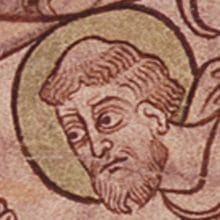 St Guthlac
 He led a war band for nine years, then became a monk and began “to long for the wilderness”. He spent his last fifteen years as a hermit in the fens, and “evermore sweetness was in his temper”. When two visiting monks hid their ale under a turf, he knew, and asked them “with merry countenance and laughing words” why they had not brought it along.
Felix, Life of St GuthlacScripture records joyful moments more often than joyful people, so no Bible figure is named here.
Its opposite
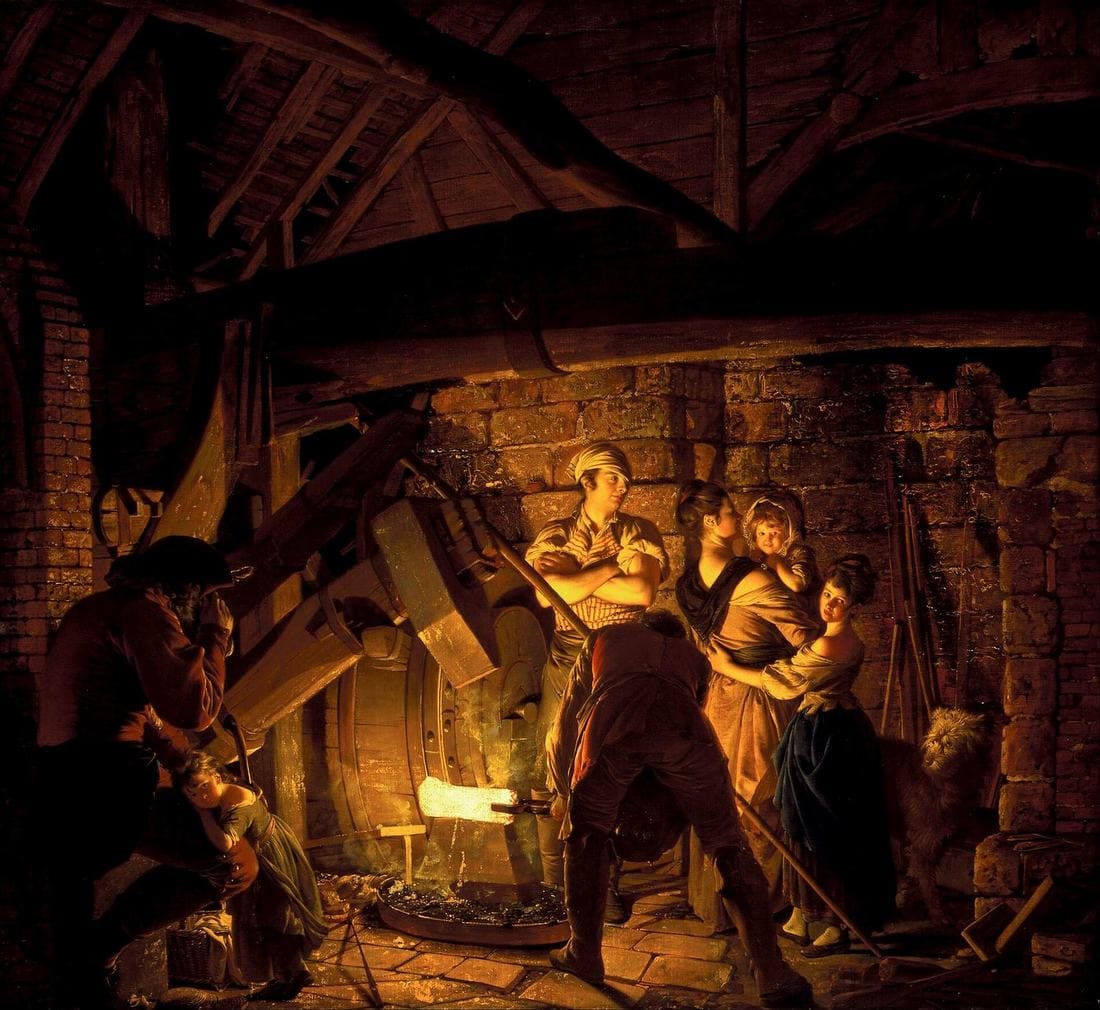
The Forge
Serious by nature, and at your best when there is something to do.
-
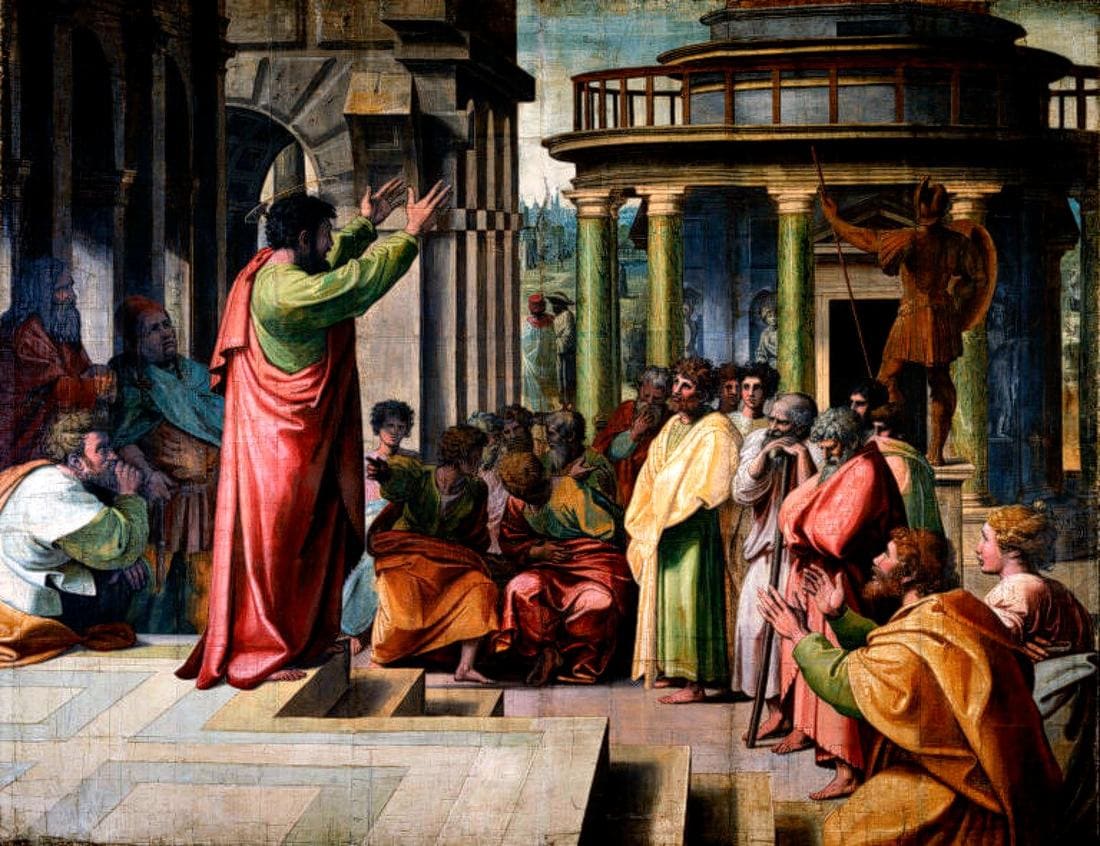
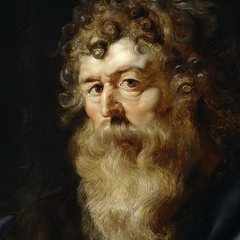 St Paul The Forge
 -
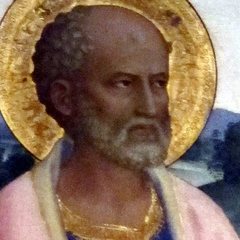 St Barnabas The Hearth
When the church in Jerusalem was still afraid of Saul, Barnabas, the “Son of Encouragement”, brought him to the apostles. Later the two fell out over young Mark, who had once left them. Barnabas wanted to give him a second chance. Paul would not. “Their disagreement was so sharp that they parted company.” Years later Paul wrote, “Get Mark and bring him with you, because he is useful to me in the ministry.” Both are saints.
Acts 4:36; 9:27; 15:36-40; 2 Timothy 4:11
See the Forge“the one was more tender and indulgent, but this one more strict and austere”
St John Chrysostom, on Barnabas and Paul, Homilies on Acts
All eight types
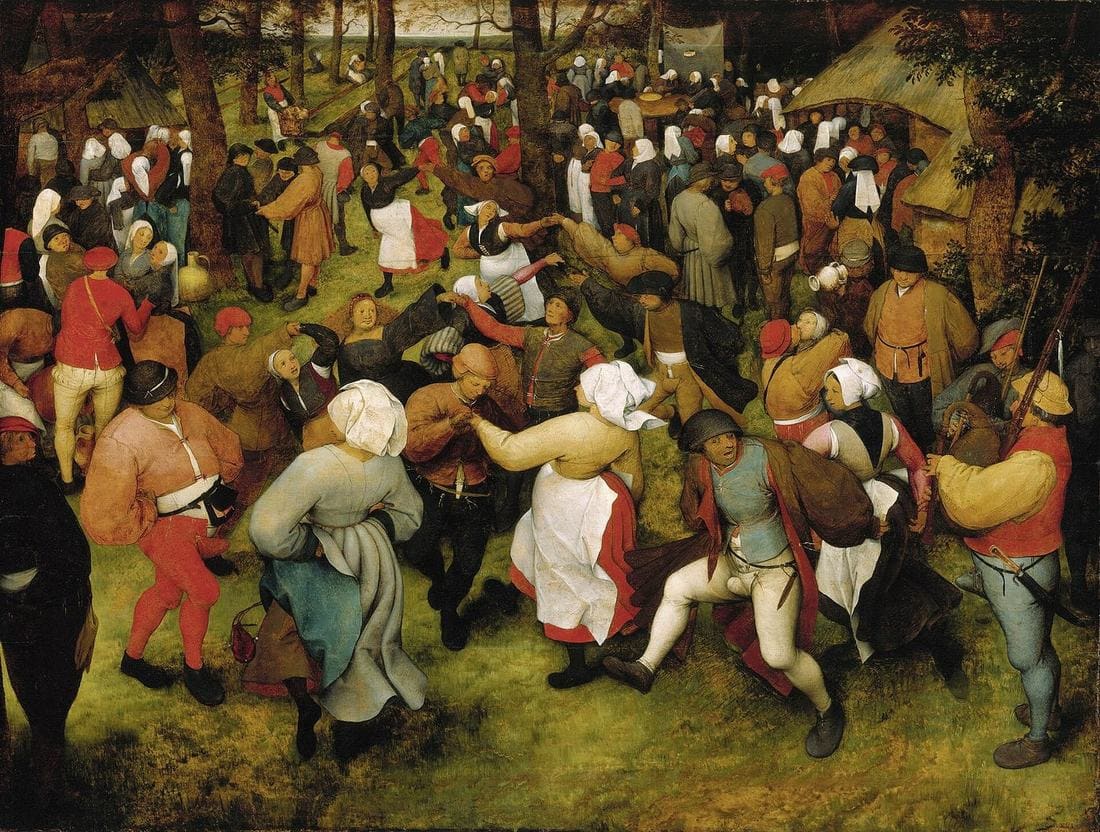
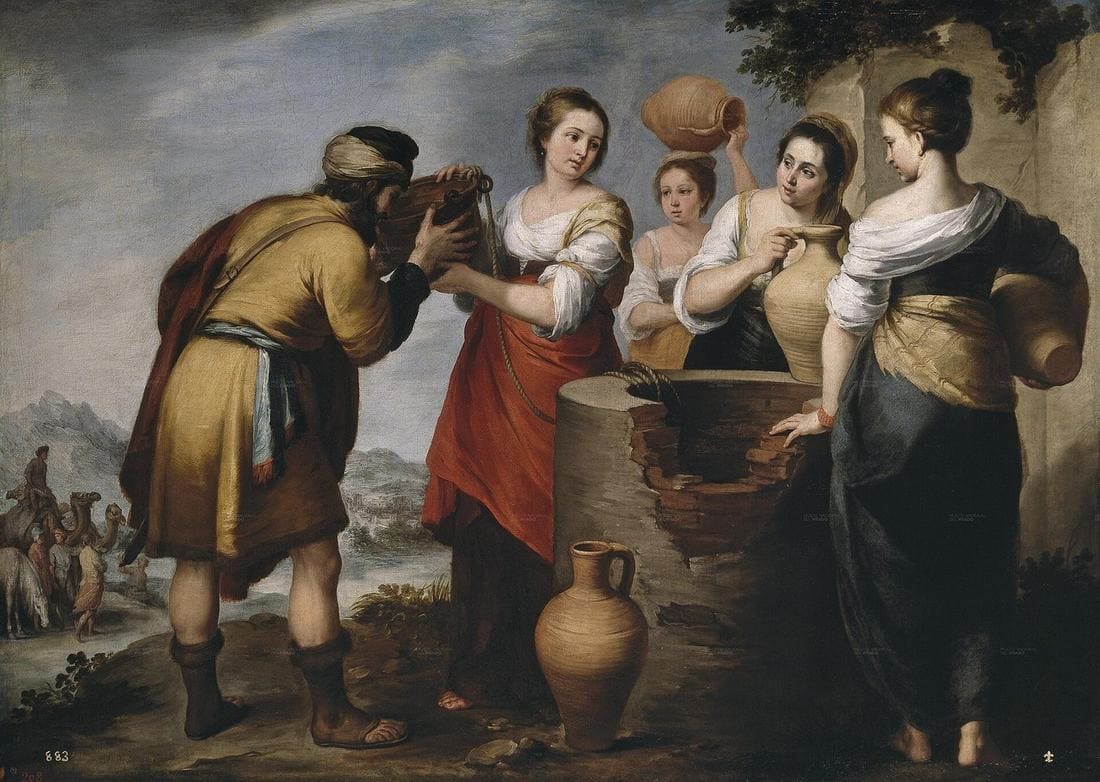
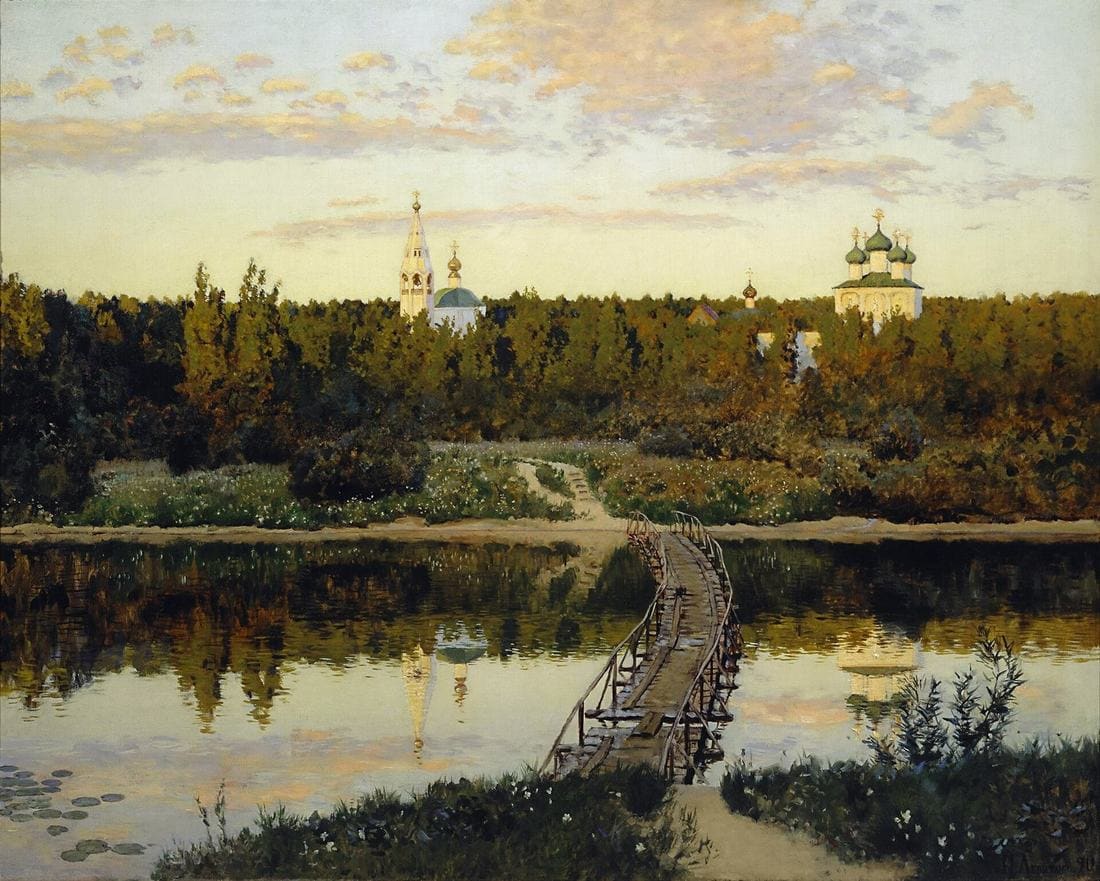
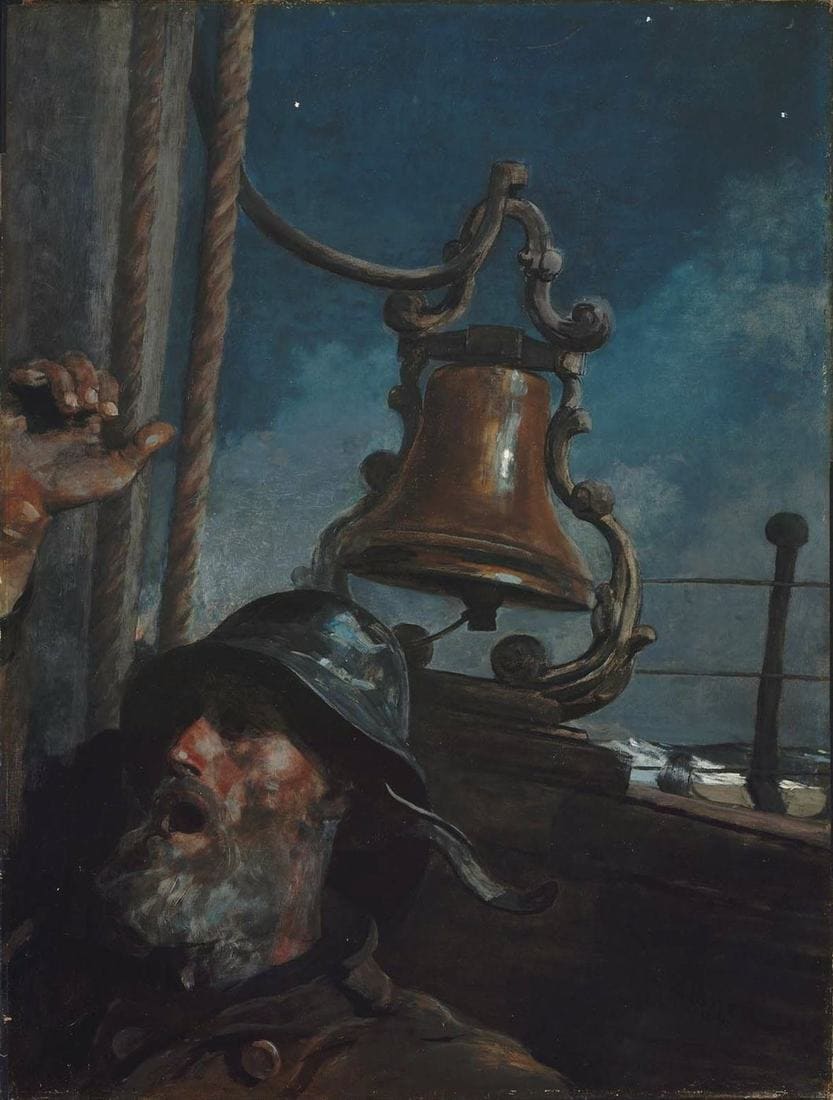
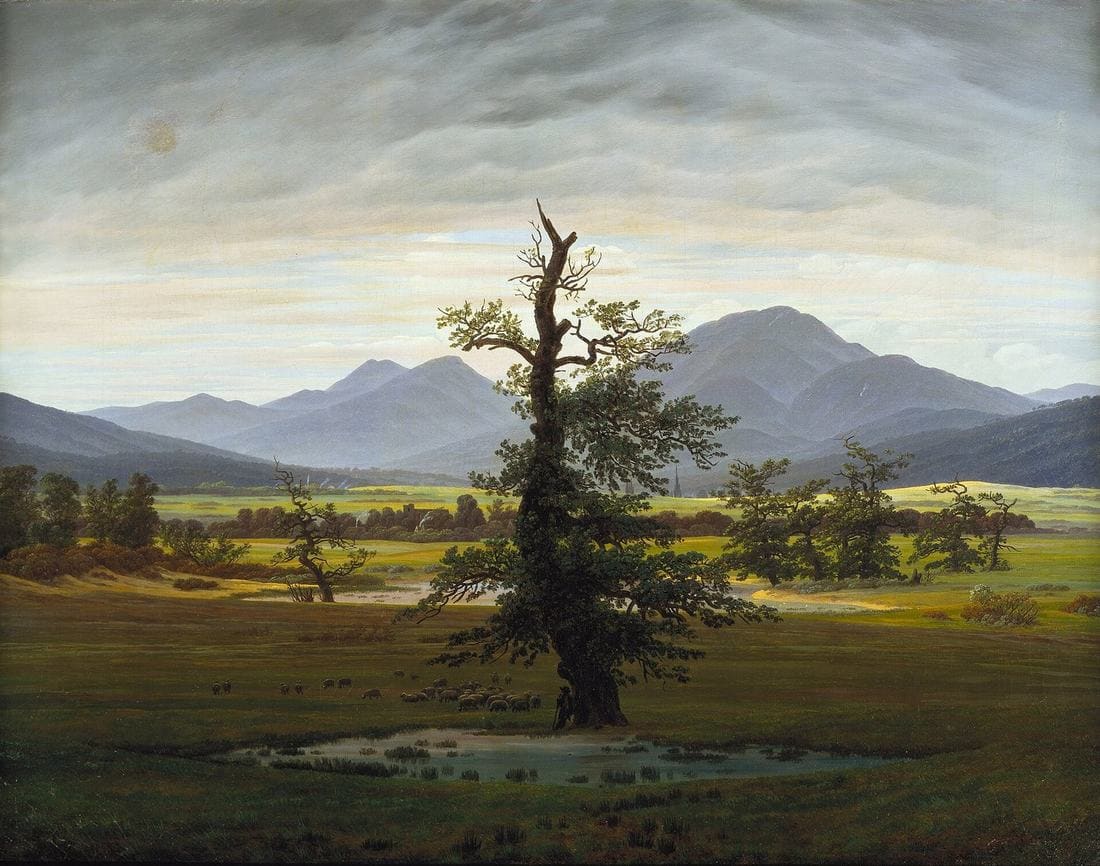
All eight types, and how St Gregory sorted them.
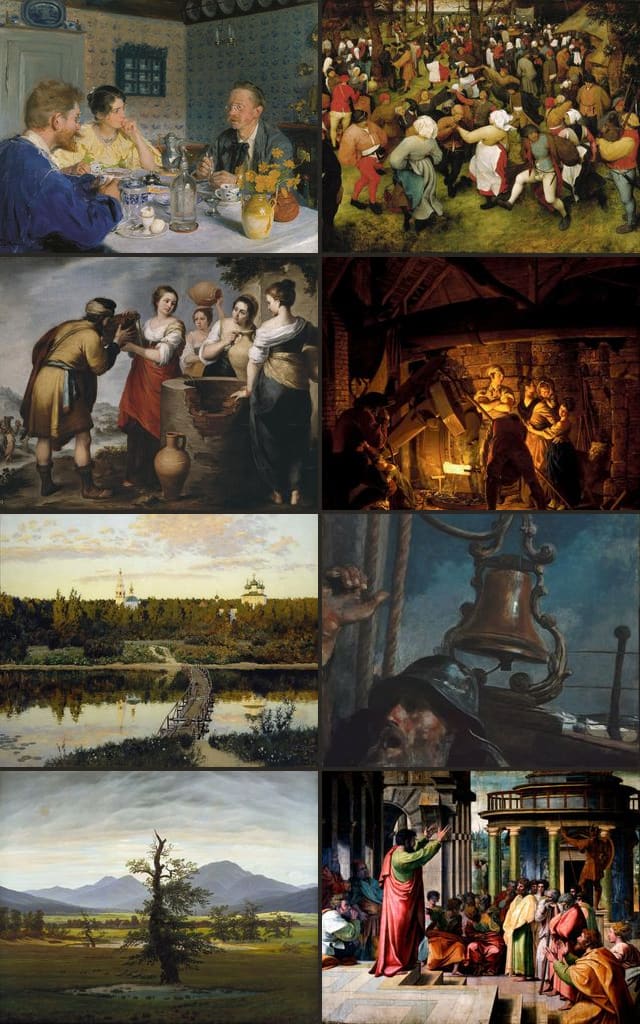
Picture credits
- A Luncheon: the artist, his wife and the writer Otto Benzon, Peder Severin Krøyer, 1893. Wikimedia Commons, public domain.
- The Wedding Dance, Pieter Bruegel the Elder, c. 1566. Wikimedia Commons, public domain.
- Rebecca and Eliezer, Bartolomé Esteban Murillo, c. 1660. Wikimedia Commons, public domain.
- An Iron Forge, Joseph Wright of Derby, 1772. Wikimedia Commons, public domain.
- Quiet Abode, Isaac Levitan, 1890. Wikimedia Commons, public domain.
- The Lookout – “All's Well”, Winslow Homer, 1896. Wikimedia Commons, public domain.
- The Lonely Tree, Caspar David Friedrich, 1822. Wikimedia Commons, public domain.
- St Paul Preaching in Athens, Raphael, 1515. Wikimedia Commons, public domain.
- King Athelstan presents Bede's Life of St Cuthbert to the saint, Anglo-Saxon illuminator, c. 930. Wikimedia Commons, public domain.
- St Bartholomew gives St Guthlac a scourge, English illuminator, c. 1210. Wikimedia Commons, public domain.


.jpg)


Suggest a correction. Corrections that are applied are recorded in the public changelog.