Sign Up My Profile
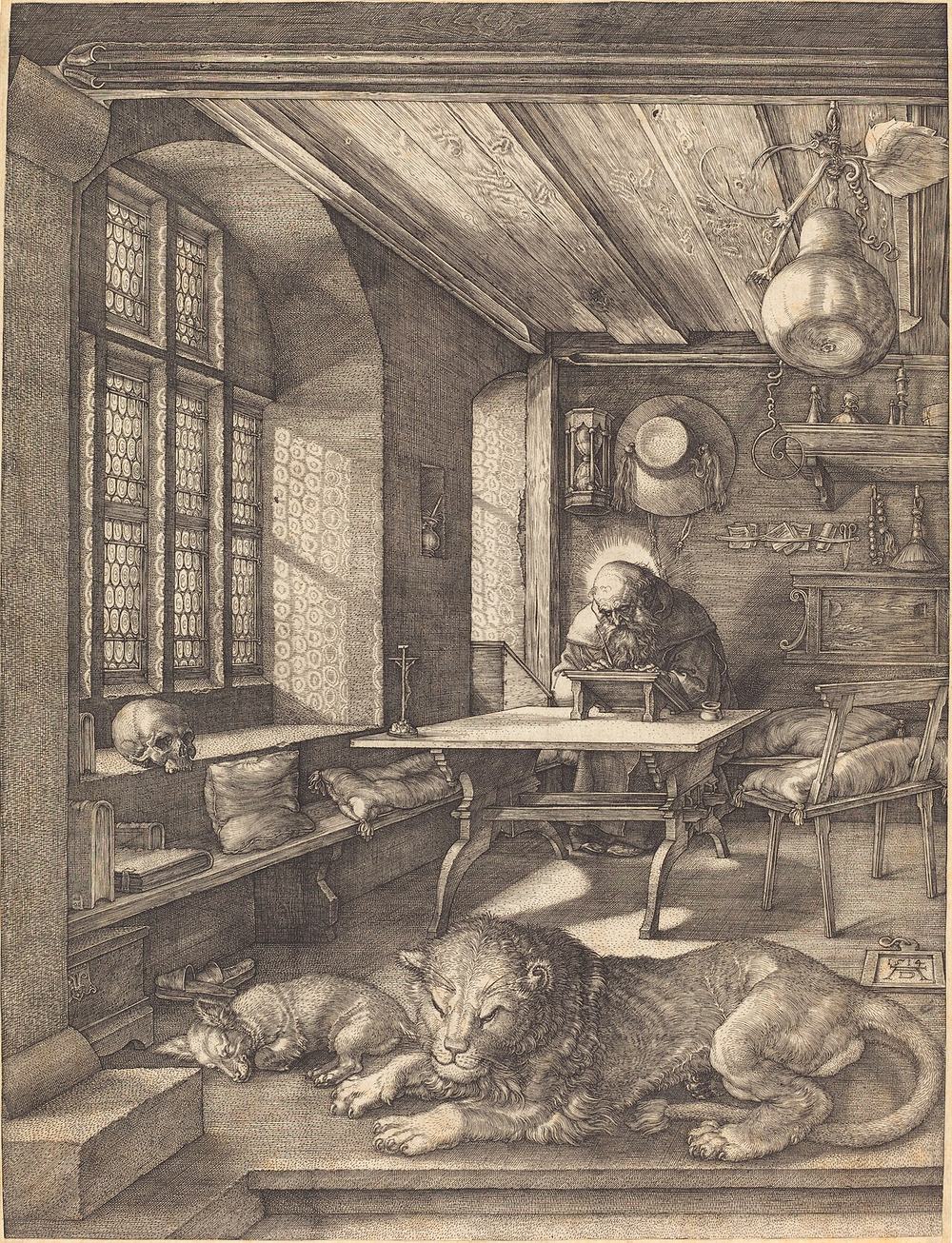
Albrecht Dürer’s engraving of Saint Jerome writing at his desk, a lion and a dog asleep on the floor of his study

What did the early Christians say about grace and effort?

They did not agree. Anthony the Great, Lactantius and Gregory of Nyssa would say yes to the statement below. Cyprian of Carthage, Jerome and 7 others would say no.

  • 12On record
  • 3Would agree
  • 9Would disagree

The statement in the quiz

“Becoming a better person depends mostly on your own effort.”

The quiz puts it in today’s words. Each person below is placed by what they wrote or said. Where their line is clear on its own, it is printed with its source.

3 early Christians

Would agree

Lactantius c. AD 250 to c. 325 · Nicomedia and Gaul

Lactantius agrees:

“Knowledge therefore consists in a benefit derived from another; for it depends upon hearing. Virtue is altogether our own; for it depends upon the will of doing that which is good.”

Divine Institutes

Gregory of Nyssa c. AD 335 to after 394 · Cappadocia

Gregory of Nyssa agrees:

“The Divine good is not something apart from our nature, and is not removed far away from those who have the will to seek it; it is in fact within each of us, ignored indeed, and unnoticed while it is stifled beneath the cares and pleasures of life, but found again whenever we can turn our power of conscious thinking towards it.”

On Virginity

9 early Christians

Would disagree

Justin Martyr c. AD 100 to c. 165 · Samaria, Ephesus and Rome

Justin disagrees:

“Though we lived in fornication and all kinds of filthy conversation, we have by the grace of our Jesus, according to His Father’s will, stripped ourselves of all those filthy wickednesses with which we were imbued.”

Dialogue with Trypho

What they said

More questions

All 23 questions, and all 21 early Christians.

your turn

Quiz Which early Christian thinks like you? And which would argue with you? See where you would stand on this and 22 more. Start

Suggest a correction

Berean Standard Bible