Wiser Walk

🧭 Theology Compass

🎡 Worship

Liturgical ↔ Free

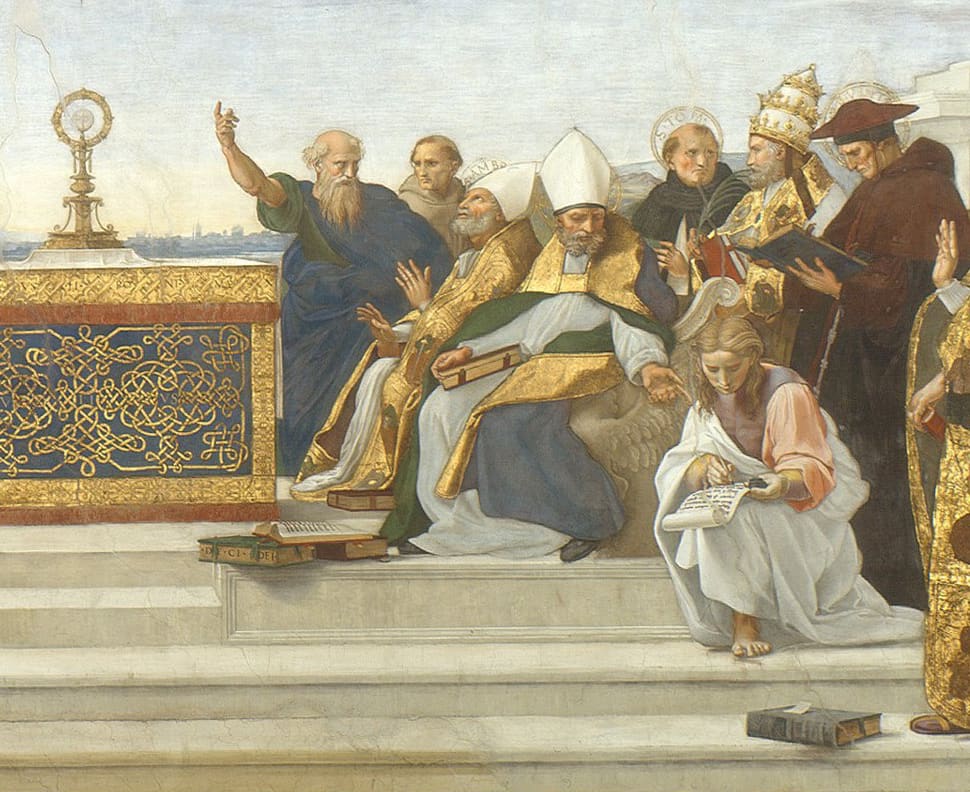
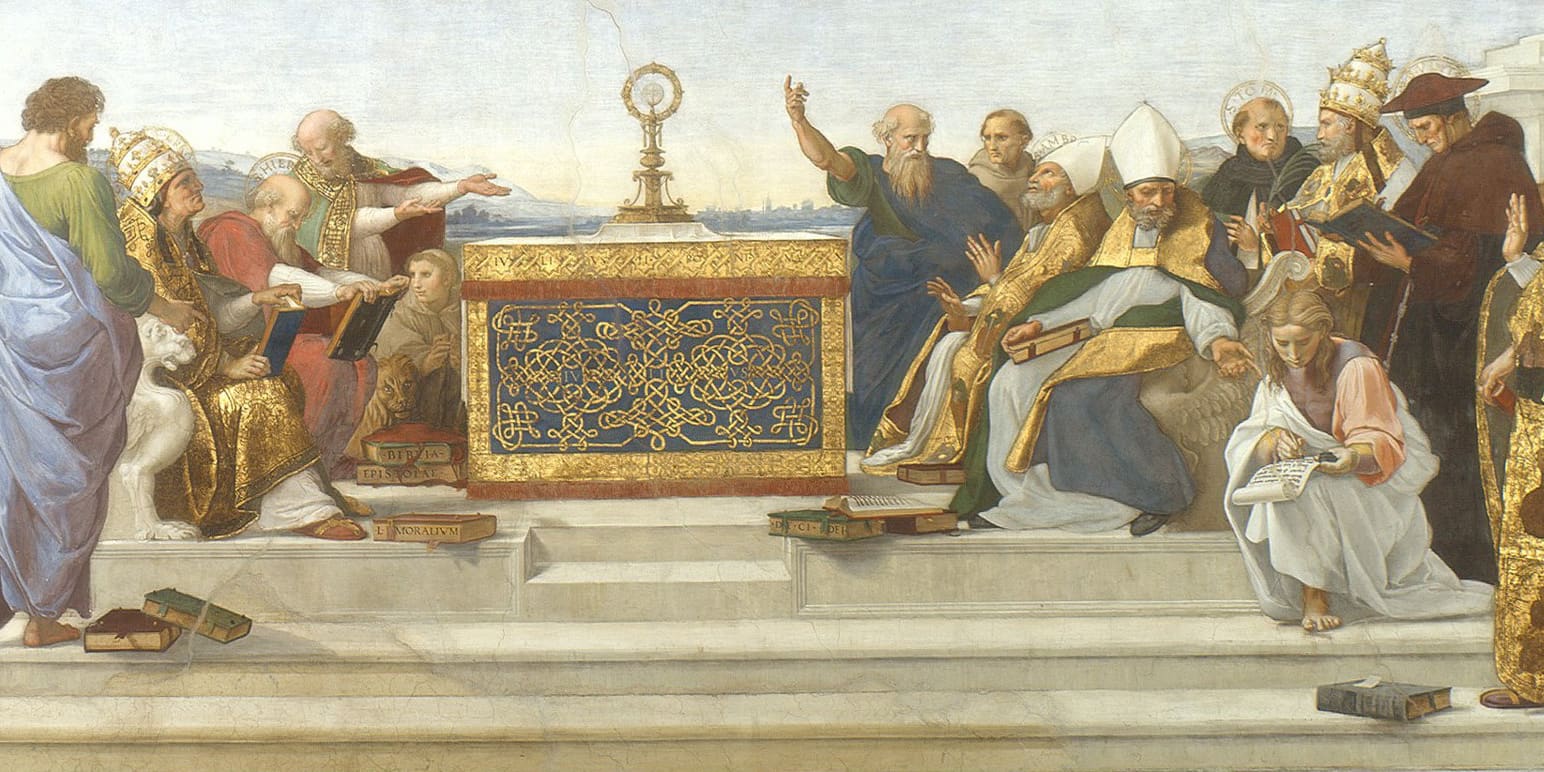
Liturgical worship follows a set order and the church calendar, usually with the Eucharist at the center of the Lord's Day service, so that the whole congregation prays and sings with the historic church, in words tested over centuries, and joins the worship of heaven. Free worship holds that Scripture prescribes no fixed liturgy, so each congregation orders its own service around the Word read and preached, prayer, song, and the ordinances; some keep a plain, settled pattern and others leave the shape open for the Spirit to lead in the moment, with room for any member to contribute.

How the question arose

  1. late 1st c. β€” The Didache gives set Eucharistic prayers, while letting prophets give thanks as they wish.
  2. c. 155 β€” Justin Martyr's First Apology 67: Sunday readings, a sermon, prayers, and the Eucharist, the presider giving thanks 'according to his ability'.
  3. 4th–6th c. β€” The eucharistic prayers of East and West take their lasting shape: the Liturgies of St Basil and St John Chrysostom, and the Roman Canon.
  4. 1525–26 β€” Zwingli's Zurich centers Sunday worship on sermon and prayer, without singing; Luther's German Mass keeps the Mass's order in German with congregational hymns.
  5. 1549 β€” Thomas Cranmer's first Book of Common Prayer gives the English church a single vernacular liturgy.
  6. 1572–1645 β€” Puritans, following Calvin, hold that only what Scripture commands belongs in worship (the regulative principle); Hooker replies that the church may order what Scripture does not forbid; Westminster's Directory replaces the Prayer Book.
  7. 1830s β€” Charles Finney's revivalist 'new measures' reshape Protestant services.
  8. 1906 β€” Azusa Street revival under William Seymour: spontaneous singing, tongues and interpretation, and open testimony spread with Pentecostalism worldwide.
  9. 1963 β€” Vatican II, Sacrosanctum Concilium: reform of the Mass and the 'full, conscious, and active participation' of all the faithful; Anglican, Lutheran, and Presbyterian service books (1978–93) follow its lead.
  10. 1970s– β€” Jesus movement and the contemporary worship movement (Calvary Chapel, Vineyard, Hillsong).

Passages both sides argue from

Acts 2:42 Β· Acts 20:7 Β· John 4:23–24 Β· 1 Corinthians 14:26–40 Β· Colossians 3:16 Β· Hebrews 12:28 Β· Revelation 4–5 Β· Psalm 150

Take the Theology Compass β†’